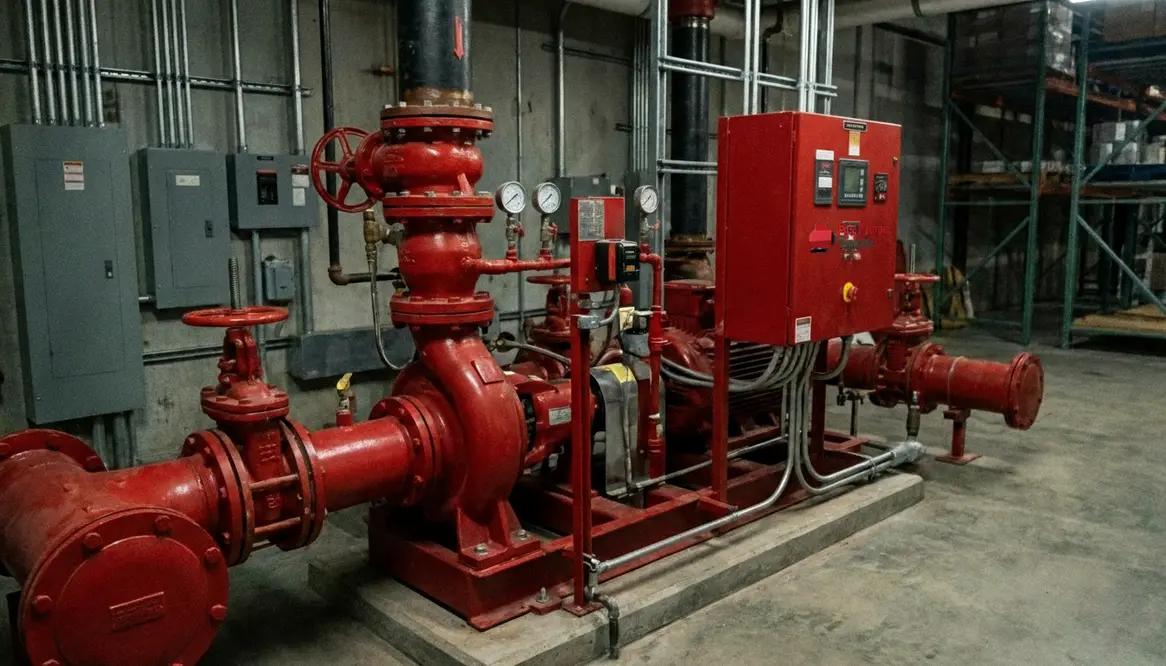
Building Fire Pump Need in Commercial Properties
I have walked through enough mechanical rooms to know that the phrase building fire pump need is not just a checkbox on a code form. It is the quiet line between control and chaos. When water pressure alone cannot rise to the challenge, a fire pump steps in like the unsung hero of a blockbuster, minus the cape but with far better timing. So, when does a structure truly require one? Let me guide you through it with a steady pace and maybe a small grin along the way.
If you are already wondering whether your commercial property meets the building fire pump need threshold, you are ahead of many owners and managers. The goal is not just to tick a compliance box, but to make sure your building will actually perform when a fire puts every assumption to the test.
And if you are looking for a partner who lives and breathes this stuff, there are experts like fire pump specialists who design, inspect, and maintain systems for real-world emergencies. The decisions you make about your pump today echo through every future alarm signal.
What triggers a building fire pump need in commercial properties?
First, I look at water pressure. If the municipal supply cannot meet the demand of the fire protection system, then a pump is no longer optional. It becomes essential. In many urban settings, this happens more often than you might think. Tall buildings, large warehouses, and complex industrial sites all stretch the limits of city water systems.
Moreover, fire codes do not leave much room for interpretation. If your sprinkler system requires a certain flow and pressure that the city cannot provide, the decision is already made for you. In other words, the building itself tells you what it needs.
And yes, this is where reality sets in. You cannot negotiate with gravity. It always wins.
Height, size, and complexity all raise the stakes
As buildings grow taller, water struggles to keep up. I have seen high rise structures where upper floors would barely get a trickle without mechanical assistance. Therefore, fire pumps become the backbone of vertical safety.
In addition, large industrial facilities present a different challenge. Wide footprints demand consistent pressure across long distances. Without a pump, parts of the system may fall short during a real emergency.
Consider this simple breakdown:
High risk indicators
- Buildings over several stories tall
- Large square footage facilities
- High hazard materials present
- Extended pipe networks
What it means
- Water pressure drops with height
- Distance reduces flow efficiency
- Fire spreads faster and burns hotter
- System demand increases significantly
So, when these factors combine, the answer becomes clear. A pump is not just helpful. It is critical.
How do fire codes shape your system requirements?
I always say that fire codes are like that strict teacher who never accepts late homework. They are precise, and they expect compliance.
Local and national standards define when a fire pump is required. For example, if your sprinkler system design exceeds available water supply, codes mandate a solution. That solution is often a pump system designed to meet peak demand.
Additionally, insurance carriers often align with these standards. In fact, failing to meet them can affect coverage. So, while the code enforces safety, insurers enforce accountability. Together, they leave little room for shortcuts.
And honestly, this is one area where cutting corners is about as wise as bringing a water pistol to a five alarm fire.
Industrial hazards and specialized risks
When what is inside drives your building fire pump need
Not all buildings are created equal. Some carry higher risks due to the materials or processes inside. Manufacturing plants, chemical facilities, and large storage operations often demand more robust fire protection.
In these cases, the building fire pump need becomes less about structure and more about what is happening inside. Flammable liquids, heavy machinery, and high heat operations all raise the stakes.
Therefore, systems must deliver water quickly and consistently. A delay of even seconds can change the outcome. That is why pumps in these environments are designed for reliability under pressure, both literally and figuratively.
If Hollywood ever made a movie about fire pumps, this would be the intense third act.
Signs your property may already need a fire pump system
Quiet hints that your system is undersupplied
Sometimes, the need is not obvious until you take a closer look. I have seen facilities operate for years without realizing their system falls short.
- Low water pressure during system testing
- Frequent system alarms tied to flow issues
- Recent building expansions increasing demand
- Changes in occupancy or hazard classification
Additionally, renovations often shift system requirements. What worked five years ago may not meet today’s standards. So, regular evaluations are not just smart. They are necessary.
If your last flow test felt more like wishful thinking than confidence building, your building fire pump need may already be staring you in the face. The question is not whether you can manage without it, but how long you are willing to live with that risk.
Choosing the right solution for long term protection
Matching your pump to your real-world risks
Once the need is clear, the next step is selecting the right system. This is where expertise matters. Fire pumps must match the building’s demand profile, not just meet minimum requirements.
I always recommend looking beyond the immediate need. Think about future expansion, operational changes, and evolving codes. A well chosen system should serve you for years, not just pass inspection next month.
Furthermore, maintenance plays a key role. Even the best pump will fail if neglected. Regular testing ensures that when the moment comes, the system performs as expected.
Because in fire protection, “almost working” is just another way of saying “not working at all.” Your long term strategy should treat your building fire pump need as a core life safety decision, not a last minute budget add-on.
Conclusion
If you are questioning your building fire pump need, that is already the right instinct. Take action before uncertainty becomes risk. I encourage you to assess your system, review your water supply, and consult professionals who understand commercial and industrial demands. The right fire pump system protects more than property. It protects people, operations, and peace of mind. Reach out today and make sure your building is ready when it matters most.
In the end, the decision is simple: you can either hope the existing supply will somehow outperform physics during a fire, or you can design around reality. One path leaves you crossing your fingers at the sound of an alarm; the other leaves you confident that your systems, and your building, are ready.