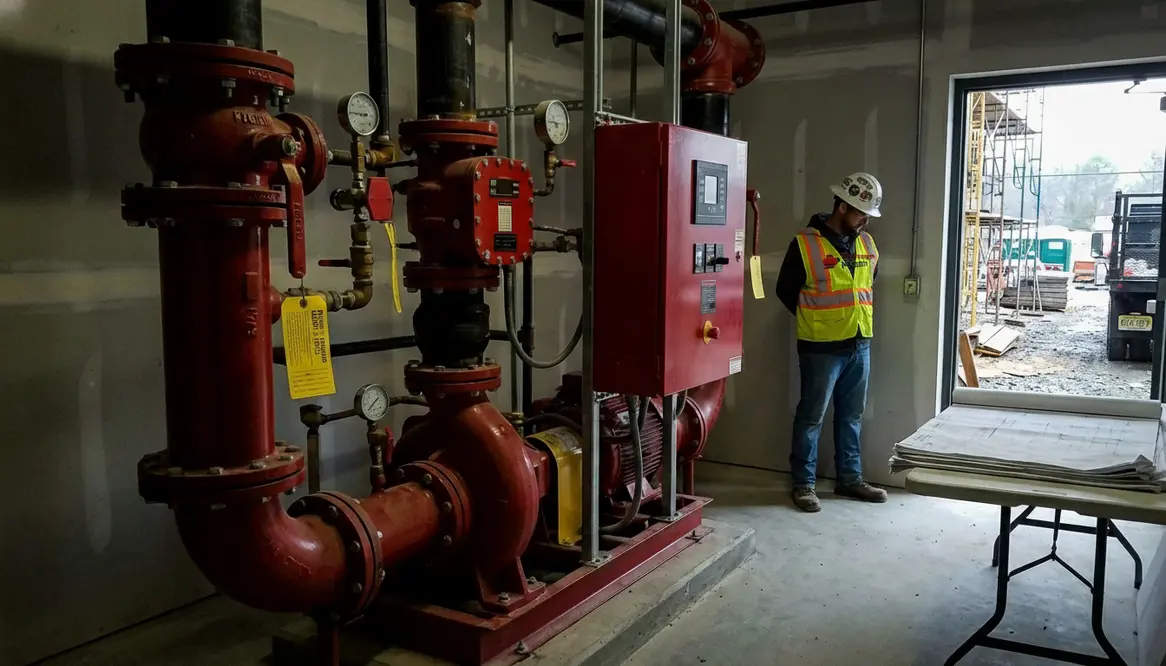
Hotel Fire Pump Requirements NJ: Avoid Project Delays
Construction schedules in New Jersey can either play like a well rehearsed orchestra or fall apart like a band that skipped rehearsal. When it comes to hotel fire pump requirements, too many teams treat them like a box to check instead of a critical path item that can stall approvals, inspections, and opening dates.
The Hidden Culprit Behind NJ Construction Delays
More often than not, the culprit hiding in plain sight is the fire pump. When I talk with project managers about hotel fire pump requirements, I remind them these systems are not just boxes to check. They are code driven, inspection heavy, and deeply tied to approvals. Miss a step early, and delays ripple across the entire build.
A Practical, Job-Site-Ready Playbook
What follows is how I keep projects moving without that dreaded fire pump bottleneck. It is practical, a little entertaining, and firmly grounded in real job site experience across New Jersey hotels and mixed-use properties.
Start Early With Design and Submittals
First things first, I never wait until framing is halfway done to think about fire pumps. That is like booking a DJ after the wedding has already started. Instead, I align with engineers and code consultants at the design phase, when hotel fire pump requirements can still shape the MEP, room layouts, and site utilities instead of crashing into them later.
Because New Jersey codes can be strict, I make sure shop drawings, hydraulic calculations, and equipment specs are submitted early. Meanwhile, I coordinate with local authorities having jurisdiction so there are no surprises later. The earlier I get feedback, the less I have to scramble, and the more realistic our construction schedule becomes.
Design Details That Make or Break Your Timeline
- Room layout that meets clearance and access requirements from day one
- Power requirements confirmed with the electrical engineer and utility early
- Door swing, egress paths, and rating requirements built into architectural plans
- Drainage and ventilation coordinated so mechanical work does not have to be torn out later
If the fire pump room is an afterthought, delays are almost guaranteed. And trust me, inspectors do not accept “we’ll fix it later” as a strategy, especially when hotel fire pump requirements collide with life safety concerns and occupancy approvals.
Understand Local Approval Timelines Like a Pro
Every municipality in New Jersey has its own rhythm. Some move quickly. Others move like they are starring in a slow motion documentary. None of them speed up just because your grand opening date is printed on marketing materials.
How I Plan Around Approvals
- Build fire pump review and approval durations directly into the project schedule
- Identify which submittals trigger reviews and which ones can run in parallel
- Track each jurisdiction’s current workload and seasonal slowdowns
- Schedule internal milestones that force the team to hit submission dates early
Proactive Contact Beats Silent Waiting
I follow up consistently, because silence from an office does not mean progress. Staying proactive with plan reviewers and fire officials can shave weeks off a project. A quick check in call today can prevent a costly delay tomorrow, especially when you are pushing to lock in hotel fire pump requirements before other trades commit to their rough-in work.
Procurement Strategy That Actually Works
Here is where many projects stumble. Fire pump equipment is not always sitting on a shelf waiting for pickup. Lead times slip, models change, and that “no problem” promise from a vendor can age badly right when you need the system on site.
What I Do
- Order pumps immediately after design approval
- Confirm manufacturer lead times in writing
- Track production and shipping weekly
- Verify submittals match what will actually ship, not just what is on the brochure
What I Avoid
- Assuming standard delivery timelines
- Waiting for other trades to finish first
- Ignoring supply chain disruptions
- Letting value engineering quietly change pump performance without rechecking code impacts
Because delays often come from outside the job site, I stay in close contact with suppliers. If something slips, I adjust early instead of reacting late. It is not glamorous work, but it saves schedules and keeps hotel fire pump requirements aligned with what actually shows up on the loading dock.
How I Coordinate Fire Pump Installation Without Delays
Installation Is a Carefully Timed Scene
I treat installation like a carefully timed scene in a movie. Everyone has to hit their mark. The fire pump cannot arrive to a room that is missing power, piping, or basic access. That is how equipment ends up sitting in a hallway while the schedule bleeds days and then weeks.
Who I Coordinate With and When
- Electrical teams to ensure power is ready when the pump arrives, including starters, controllers, and emergency power if required
- Plumbing contractors so piping connections, valves, and test headers are staged correctly
- General contractor to confirm the fire pump room meets all clearance and ventilation requirements and is not being used as a storage locker
- Fire protection vendor so startup, flushing, and testing are sequenced, not improvised
Because one missing piece can halt everything, I run pre installation meetings. It might feel like overkill, but it keeps everyone aligned. And frankly, it is much better than watching trades point fingers later while your hotel opening date quietly slips into the distance.
If you want a deeper look at how professional fire pump services approach inspection, testing, and system selection, take a look at the fire pump systems services page from Kord Fire Protection. It is a solid reference point when you are comparing vendors or explaining expectations to your team.
Testing, Inspections, and the Reality of NJ Compliance
This is where the pressure builds, literally and figuratively. Testing and inspections in New Jersey are not flexible, and they should not be. Hotels attract guests, events, and constant occupancy, so fire pump performance is non negotiable.
How I Set Up Testing for Success
- Schedule acceptance testing well in advance and lock in all required attendees
- Confirm that controllers, backup power, and alarms are fully operational
- Verify that valves, gauges, and test headers are installed, labeled, and accessible
- Run an internal pre test to catch obvious issues before the official inspection
I also make sure documentation is complete. Inspectors expect clear records, and missing paperwork can delay approvals faster than a plot twist in a thriller. Submittals, calculations, test reports, and as-builts all need to line up with what is in the room.
When I follow the proper steps tied to hotel fire pump requirements, inspections become a checkpoint, not a roadblock. Everyone gets to go home on time, and the fire marshal does not become a recurring character in your project meetings.
Communication Keeps Everything Moving
The Real Secret: Relentless, Simple Communication
If there is one secret I rely on, it is communication. Not the occasional email. I mean consistent, clear, and direct updates. Fire pumps sit at the intersection of multiple trades, codes, and approvals. Silence invites confusion, and confusion invites delays.
I keep developers, contractors, and inspectors informed at every stage so no one is surprised and everyone can act quickly when needed. That means sharing when submittals go in, when equipment ships, when testing is scheduled, and when anything drifts off the plan.
And yes, sometimes that means repeating myself. But in construction, repetition is cheaper than rework, especially when hotel fire pump requirements are part of the storyline. Saying something three times in meetings costs less than shutting down drywall crews while you wait for a missed test.
FAQ: Fire Pump Delays in New Jersey Projects
Over time, I hear the same questions from hotel developers, GCs, and owners. Here are the ones that come up the most when we talk about hotel fire pump requirements and project timelines in New Jersey.
Keep Your Project Moving Without the Headaches
Delays do not have to be part of your story. When I take control early, stay proactive, and respect the process, fire pump installation becomes predictable instead of painful. The difference is not a magic product or a secret vendor list; it is clarity around hotel fire pump requirements and the discipline to treat them as a priority from the first design conversation.
If you are managing a commercial or industrial project in New Jersey, now is the time to get ahead of the curve. Connect with experts who understand the stakes, the codes, and the pace. Build hotel fire pump requirements into your schedule, your coordination meetings, and your procurement plan instead of leaving them in the “we will deal with that later” column.
Because a smooth project is not luck. It is strategy, timing, and execution working together, with a fire pump that passes inspection the first time and never becomes the villain in your project’s final chapter.