Modern fire pump systems are not just newer. They are smarter. Controllers provide better diagnostics. Systems integrate with building management platforms. Testing becomes more efficient and less disruptive.
That data helps you move from “something feels off” to “we know exactly what changed and when,” which is invaluable when you are defending maintenance decisions and budgets.
Easier compliance, fewer surprises
Additionally, compliance becomes easier to maintain. Updated systems align with current fire codes, which reduces inspection issues and potential fines. And if you have ever dealt with a failed inspection, you know it is about as enjoyable as a reboot during a presentation.
Moreover, energy efficiency improves. While fire pumps do not run constantly, supporting components and testing cycles still benefit from better design. Over the life of the system, that is one more way fire pump replacement costs can translate into genuine long term savings.
When should I replace my fire pump instead of repairing it?
This is the question I hear the most. And the answer is not mysterious. There is a tipping point where continuing repairs stops being responsible and starts being wishful thinking.
Repairs become frequent If you are calling for service multiple times a year, the system is telling you something.
Parts are hard to find Obsolete components slow down repairs and increase costs.
Performance is inconsistent Pressure drops or delayed starts are not quirks. They are warnings.
Code gaps appear If your system no longer meets standards, risk increases significantly.
At that point, continuing repairs is like patching an old boat. Eventually, the water wins. Fire pump replacement costs may look bigger on paper, but they often represent the cheaper, safer option when you consider failure scenarios, downtime, and regulatory exposure.
Planning ahead to control costs and avoid disruption
Here is where strategy changes everything. The more intentional you are, the more control you have over both fire pump replacement costs and operational impact.
Use timing as a cost control tool
Instead of waiting for failure, I recommend planning replacement during a controlled window. This allows coordination with facility schedules, reduces downtime, and avoids emergency premiums.
Additionally, phased planning can help manage budgets. You can align upgrades with capital cycles rather than reacting under pressure. And yes, this approach gives you leverage. Vendors respond better to planned projects than urgent calls at 2 AM.
When you treat your fire pump like any other major asset, you can forecast fire pump replacement costs, build them into your lifecycle plan, and still sleep at night knowing you are not one failure away from chaos.
FAQ
Aging equipment likes to generate questions almost as quickly as it generates work orders. Here are a few of the most common ones that come up when people start seriously evaluating replacement.
How long does a fire pump typically last?
Most systems last 20 to 30 years, depending on maintenance and usage. If you are near the upper end of that range and seeing frequent issues, it is time to start budgeting for replacement instead of assuming another repair will carry you forever.
Are fire pump replacement costs tax deductible?
Often, yes. Many upgrades qualify as capital improvements. That can allow you to spread the cost over time or reduce taxable income, depending on your situation. Always confirm details with a qualified tax professional who understands your specific facility and jurisdiction.
Will fire pump replacement disrupt operations?
With proper planning, disruption can be minimized or scheduled during low impact periods. Coordinating with production schedules, shift patterns, or tenant activity allows much of the work to happen in windows where water or system interruptions create the least pain.
Do new fire pump systems require less maintenance?
Yes. Modern systems are more reliable and easier to service. You still need regular inspections and testing, but you are generally dealing with predictable, planned activities rather than constant troubleshooting.
Is compliance easier with newer pumps?
Absolutely. New systems are designed to meet current codes and standards. That means fewer corrective items on inspection reports and less scrambling to retrofit old equipment just to stay compliant.
Conclusion
In the end, upgrading an aging fire pump is not just a cost decision. It is a business decision. When I weigh reliability, safety, and long term savings, the answer becomes clear. If your system is showing its age, now is the time to act.
Plan smart, invest wisely, and look at fire pump replacement costs through the lens of risk reduction, downtime control, and lifecycle budgeting. When you do, replacement stops feeling like punishment and starts looking like what it truly is: a strategic upgrade that protects people, property, and your bottom line.
If your pump is whispering (or shouting) that it is tired, listen now instead of waiting for it to fail loudly at the worst possible moment. Reach out today and take control before your equipment makes the decision for you.
Repair mindset
You fix what breaks. Then you fix the next thing. And the next. Costs appear smaller, but they stack up quietly. Over time, reliability drops. Emergency calls increase. Meanwhile, your team spends more time reacting than planning.
This mindset makes fire pump replacement costs feel avoidable, while quietly burning through budget in the form of overtime, spare parts, and schedule disruptions.
Replacement strategy
You invest upfront. Then you gain predictable performance, lower maintenance, and improved compliance. More importantly, you reduce surprises. And in large facilities, fewer surprises mean fewer sleepless nights.
So while repairs feel cheaper in the moment, replacement often wins the long game. It is less about spending money and more about controlling it, especially when you view fire pump replacement costs across a 10 to 20 year lifecycle.
How modern fire pump systems improve performance and compliance
Now let us talk about what you gain when you stop patching the past and install a system designed for today’s codes and tomorrow’s inspections.
Smarter systems, clearer data
Modern fire pump systems are not just newer. They are smarter. Controllers provide better diagnostics. Systems integrate with building management platforms. Testing becomes more efficient and less disruptive.
That data helps you move from “something feels off” to “we know exactly what changed and when,” which is invaluable when you are defending maintenance decisions and budgets.
Easier compliance, fewer surprises
Additionally, compliance becomes easier to maintain. Updated systems align with current fire codes, which reduces inspection issues and potential fines. And if you have ever dealt with a failed inspection, you know it is about as enjoyable as a reboot during a presentation.
Moreover, energy efficiency improves. While fire pumps do not run constantly, supporting components and testing cycles still benefit from better design. Over the life of the system, that is one more way fire pump replacement costs can translate into genuine long term savings.
When should I replace my fire pump instead of repairing it?
This is the question I hear the most. And the answer is not mysterious. There is a tipping point where continuing repairs stops being responsible and starts being wishful thinking.
Repairs become frequent If you are calling for service multiple times a year, the system is telling you something.
Parts are hard to find Obsolete components slow down repairs and increase costs.
Performance is inconsistent Pressure drops or delayed starts are not quirks. They are warnings.
Code gaps appear If your system no longer meets standards, risk increases significantly.
At that point, continuing repairs is like patching an old boat. Eventually, the water wins. Fire pump replacement costs may look bigger on paper, but they often represent the cheaper, safer option when you consider failure scenarios, downtime, and regulatory exposure.
Planning ahead to control costs and avoid disruption
Here is where strategy changes everything. The more intentional you are, the more control you have over both fire pump replacement costs and operational impact.
Use timing as a cost control tool
Instead of waiting for failure, I recommend planning replacement during a controlled window. This allows coordination with facility schedules, reduces downtime, and avoids emergency premiums.
Additionally, phased planning can help manage budgets. You can align upgrades with capital cycles rather than reacting under pressure. And yes, this approach gives you leverage. Vendors respond better to planned projects than urgent calls at 2 AM.
When you treat your fire pump like any other major asset, you can forecast fire pump replacement costs, build them into your lifecycle plan, and still sleep at night knowing you are not one failure away from chaos.
FAQ
Aging equipment likes to generate questions almost as quickly as it generates work orders. Here are a few of the most common ones that come up when people start seriously evaluating replacement.
Conclusion
In the end, upgrading an aging fire pump is not just a cost decision. It is a business decision. When I weigh reliability, safety, and long term savings, the answer becomes clear. If your system is showing its age, now is the time to act.
Plan smart, invest wisely, and look at fire pump replacement costs through the lens of risk reduction, downtime control, and lifecycle budgeting. When you do, replacement stops feeling like punishment and starts looking like what it truly is: a strategic upgrade that protects people, property, and your bottom line.
If your pump is whispering (or shouting) that it is tired, listen now instead of waiting for it to fail loudly at the worst possible moment. Reach out today and take control before your equipment makes the decision for you.
Repair mindset
You fix what breaks. Then you fix the next thing. And the next. Costs appear smaller, but they stack up quietly. Over time, reliability drops. Emergency calls increase. Meanwhile, your team spends more time reacting than planning.
This mindset makes fire pump replacement costs feel avoidable, while quietly burning through budget in the form of overtime, spare parts, and schedule disruptions.
Replacement strategy
You invest upfront. Then you gain predictable performance, lower maintenance, and improved compliance. More importantly, you reduce surprises. And in large facilities, fewer surprises mean fewer sleepless nights.
So while repairs feel cheaper in the moment, replacement often wins the long game. It is less about spending money and more about controlling it, especially when you view fire pump replacement costs across a 10 to 20 year lifecycle.
How modern fire pump systems improve performance and compliance
Now let us talk about what you gain when you stop patching the past and install a system designed for today’s codes and tomorrow’s inspections.
Smarter systems, clearer data
Modern fire pump systems are not just newer. They are smarter. Controllers provide better diagnostics. Systems integrate with building management platforms. Testing becomes more efficient and less disruptive.
That data helps you move from “something feels off” to “we know exactly what changed and when,” which is invaluable when you are defending maintenance decisions and budgets.
Easier compliance, fewer surprises
Additionally, compliance becomes easier to maintain. Updated systems align with current fire codes, which reduces inspection issues and potential fines. And if you have ever dealt with a failed inspection, you know it is about as enjoyable as a reboot during a presentation.
Moreover, energy efficiency improves. While fire pumps do not run constantly, supporting components and testing cycles still benefit from better design. Over the life of the system, that is one more way fire pump replacement costs can translate into genuine long term savings.
When should I replace my fire pump instead of repairing it?
This is the question I hear the most. And the answer is not mysterious. There is a tipping point where continuing repairs stops being responsible and starts being wishful thinking.
Repairs become frequent If you are calling for service multiple times a year, the system is telling you something.
Parts are hard to find Obsolete components slow down repairs and increase costs.
Performance is inconsistent Pressure drops or delayed starts are not quirks. They are warnings.
Code gaps appear If your system no longer meets standards, risk increases significantly.
At that point, continuing repairs is like patching an old boat. Eventually, the water wins. Fire pump replacement costs may look bigger on paper, but they often represent the cheaper, safer option when you consider failure scenarios, downtime, and regulatory exposure.
Planning ahead to control costs and avoid disruption
Here is where strategy changes everything. The more intentional you are, the more control you have over both fire pump replacement costs and operational impact.
Use timing as a cost control tool
Instead of waiting for failure, I recommend planning replacement during a controlled window. This allows coordination with facility schedules, reduces downtime, and avoids emergency premiums.
Additionally, phased planning can help manage budgets. You can align upgrades with capital cycles rather than reacting under pressure. And yes, this approach gives you leverage. Vendors respond better to planned projects than urgent calls at 2 AM.
When you treat your fire pump like any other major asset, you can forecast fire pump replacement costs, build them into your lifecycle plan, and still sleep at night knowing you are not one failure away from chaos.
FAQ
Aging equipment likes to generate questions almost as quickly as it generates work orders. Here are a few of the most common ones that come up when people start seriously evaluating replacement.
Conclusion
In the end, upgrading an aging fire pump is not just a cost decision. It is a business decision. When I weigh reliability, safety, and long term savings, the answer becomes clear. If your system is showing its age, now is the time to act.
Plan smart, invest wisely, and look at fire pump replacement costs through the lens of risk reduction, downtime control, and lifecycle budgeting. When you do, replacement stops feeling like punishment and starts looking like what it truly is: a strategic upgrade that protects people, property, and your bottom line.
If your pump is whispering (or shouting) that it is tired, listen now instead of waiting for it to fail loudly at the worst possible moment. Reach out today and take control before your equipment makes the decision for you.
Hidden technical and compliance costs
As systems age, efficiency drops. Components wear unevenly. Controllers become outdated. Meanwhile, maintenance costs creep up slowly, like a villain in a movie you forgot was still alive. You pay more for repairs, more for testing issues, and more for emergency service calls.
In addition, older systems often struggle to meet current codes. That means increased liability. And if you manage a large facility, liability is not just a word. It is a line item that can grow teeth.
The illusion of “saving money”
Therefore, what looks like savings today often turns into higher operational costs tomorrow. You avoid the capital project this year, but trade it for more repairs, more risk, and more pressure when inspections or incidents expose just how tired that equipment really is.
When you factor in staff time, emergency premiums, and reputational stakes, the “cheap” option usually is not actually cheap.
What drives fire pump replacement costs in large facilities
Let me answer this the way most people ask it in a meeting: what actually affects the price?
The answer is straightforward, although not always simple. Fire pump replacement costs depend on several factors, and the more complex your facility, the more carefully those factors need to be managed.
System size and capacity Larger buildings require higher flow rates and pressure, which increases equipment and installation scope.
Infrastructure compatibility Older mechanical rooms may need modifications. That includes piping, electrical upgrades, or space adjustments.
Code compliance upgrades New standards often require updated controllers, alarms, and monitoring systems.
Downtime planning In active facilities, especially industrial ones, scheduling the replacement without disrupting operations can add complexity.
However, here is the twist. While upfront costs may feel steep, they often stabilize long term budgets. And unlike your favorite streaming subscription, they actually deliver value.
Linking service quality and long term savings
If you want to go deeper into how inspections, testing, and system performance connect to the life of your pump, it is worth looking at how a specialist handles full service support. For example, providers like Kord Fire Protection’s fire pump service team combine inspections, maintenance, and testing in ways that can stretch the useful life of a new installation and help you control total cost of ownership.
Comparing repair versus replacement in real dollars
Repair mindset
You fix what breaks. Then you fix the next thing. And the next. Costs appear smaller, but they stack up quietly. Over time, reliability drops. Emergency calls increase. Meanwhile, your team spends more time reacting than planning.
This mindset makes fire pump replacement costs feel avoidable, while quietly burning through budget in the form of overtime, spare parts, and schedule disruptions.
Replacement strategy
You invest upfront. Then you gain predictable performance, lower maintenance, and improved compliance. More importantly, you reduce surprises. And in large facilities, fewer surprises mean fewer sleepless nights.
So while repairs feel cheaper in the moment, replacement often wins the long game. It is less about spending money and more about controlling it, especially when you view fire pump replacement costs across a 10 to 20 year lifecycle.
How modern fire pump systems improve performance and compliance
Now let us talk about what you gain when you stop patching the past and install a system designed for today’s codes and tomorrow’s inspections.
Smarter systems, clearer data
Modern fire pump systems are not just newer. They are smarter. Controllers provide better diagnostics. Systems integrate with building management platforms. Testing becomes more efficient and less disruptive.
That data helps you move from “something feels off” to “we know exactly what changed and when,” which is invaluable when you are defending maintenance decisions and budgets.
Easier compliance, fewer surprises
Additionally, compliance becomes easier to maintain. Updated systems align with current fire codes, which reduces inspection issues and potential fines. And if you have ever dealt with a failed inspection, you know it is about as enjoyable as a reboot during a presentation.
Moreover, energy efficiency improves. While fire pumps do not run constantly, supporting components and testing cycles still benefit from better design. Over the life of the system, that is one more way fire pump replacement costs can translate into genuine long term savings.
When should I replace my fire pump instead of repairing it?
This is the question I hear the most. And the answer is not mysterious. There is a tipping point where continuing repairs stops being responsible and starts being wishful thinking.
Repairs become frequent If you are calling for service multiple times a year, the system is telling you something.
Parts are hard to find Obsolete components slow down repairs and increase costs.
Performance is inconsistent Pressure drops or delayed starts are not quirks. They are warnings.
Code gaps appear If your system no longer meets standards, risk increases significantly.
At that point, continuing repairs is like patching an old boat. Eventually, the water wins. Fire pump replacement costs may look bigger on paper, but they often represent the cheaper, safer option when you consider failure scenarios, downtime, and regulatory exposure.
Planning ahead to control costs and avoid disruption
Here is where strategy changes everything. The more intentional you are, the more control you have over both fire pump replacement costs and operational impact.
Use timing as a cost control tool
Instead of waiting for failure, I recommend planning replacement during a controlled window. This allows coordination with facility schedules, reduces downtime, and avoids emergency premiums.
Additionally, phased planning can help manage budgets. You can align upgrades with capital cycles rather than reacting under pressure. And yes, this approach gives you leverage. Vendors respond better to planned projects than urgent calls at 2 AM.
When you treat your fire pump like any other major asset, you can forecast fire pump replacement costs, build them into your lifecycle plan, and still sleep at night knowing you are not one failure away from chaos.
FAQ
Aging equipment likes to generate questions almost as quickly as it generates work orders. Here are a few of the most common ones that come up when people start seriously evaluating replacement.
Conclusion
In the end, upgrading an aging fire pump is not just a cost decision. It is a business decision. When I weigh reliability, safety, and long term savings, the answer becomes clear. If your system is showing its age, now is the time to act.
Plan smart, invest wisely, and look at fire pump replacement costs through the lens of risk reduction, downtime control, and lifecycle budgeting. When you do, replacement stops feeling like punishment and starts looking like what it truly is: a strategic upgrade that protects people, property, and your bottom line.
If your pump is whispering (or shouting) that it is tired, listen now instead of waiting for it to fail loudly at the worst possible moment. Reach out today and take control before your equipment makes the decision for you.
Hidden technical and compliance costs
As systems age, efficiency drops. Components wear unevenly. Controllers become outdated. Meanwhile, maintenance costs creep up slowly, like a villain in a movie you forgot was still alive. You pay more for repairs, more for testing issues, and more for emergency service calls.
In addition, older systems often struggle to meet current codes. That means increased liability. And if you manage a large facility, liability is not just a word. It is a line item that can grow teeth.
The illusion of “saving money”
Therefore, what looks like savings today often turns into higher operational costs tomorrow. You avoid the capital project this year, but trade it for more repairs, more risk, and more pressure when inspections or incidents expose just how tired that equipment really is.
When you factor in staff time, emergency premiums, and reputational stakes, the “cheap” option usually is not actually cheap.
What drives fire pump replacement costs in large facilities
Let me answer this the way most people ask it in a meeting: what actually affects the price?
The answer is straightforward, although not always simple. Fire pump replacement costs depend on several factors, and the more complex your facility, the more carefully those factors need to be managed.
System size and capacity Larger buildings require higher flow rates and pressure, which increases equipment and installation scope.
Infrastructure compatibility Older mechanical rooms may need modifications. That includes piping, electrical upgrades, or space adjustments.
Code compliance upgrades New standards often require updated controllers, alarms, and monitoring systems.
Downtime planning In active facilities, especially industrial ones, scheduling the replacement without disrupting operations can add complexity.
However, here is the twist. While upfront costs may feel steep, they often stabilize long term budgets. And unlike your favorite streaming subscription, they actually deliver value.
Linking service quality and long term savings
If you want to go deeper into how inspections, testing, and system performance connect to the life of your pump, it is worth looking at how a specialist handles full service support. For example, providers like Kord Fire Protection’s fire pump service team combine inspections, maintenance, and testing in ways that can stretch the useful life of a new installation and help you control total cost of ownership.
Comparing repair versus replacement in real dollars
Repair mindset
You fix what breaks. Then you fix the next thing. And the next. Costs appear smaller, but they stack up quietly. Over time, reliability drops. Emergency calls increase. Meanwhile, your team spends more time reacting than planning.
This mindset makes fire pump replacement costs feel avoidable, while quietly burning through budget in the form of overtime, spare parts, and schedule disruptions.
Replacement strategy
You invest upfront. Then you gain predictable performance, lower maintenance, and improved compliance. More importantly, you reduce surprises. And in large facilities, fewer surprises mean fewer sleepless nights.
So while repairs feel cheaper in the moment, replacement often wins the long game. It is less about spending money and more about controlling it, especially when you view fire pump replacement costs across a 10 to 20 year lifecycle.
How modern fire pump systems improve performance and compliance
Now let us talk about what you gain when you stop patching the past and install a system designed for today’s codes and tomorrow’s inspections.
Smarter systems, clearer data
Modern fire pump systems are not just newer. They are smarter. Controllers provide better diagnostics. Systems integrate with building management platforms. Testing becomes more efficient and less disruptive.
That data helps you move from “something feels off” to “we know exactly what changed and when,” which is invaluable when you are defending maintenance decisions and budgets.
Easier compliance, fewer surprises
Additionally, compliance becomes easier to maintain. Updated systems align with current fire codes, which reduces inspection issues and potential fines. And if you have ever dealt with a failed inspection, you know it is about as enjoyable as a reboot during a presentation.
Moreover, energy efficiency improves. While fire pumps do not run constantly, supporting components and testing cycles still benefit from better design. Over the life of the system, that is one more way fire pump replacement costs can translate into genuine long term savings.
When should I replace my fire pump instead of repairing it?
This is the question I hear the most. And the answer is not mysterious. There is a tipping point where continuing repairs stops being responsible and starts being wishful thinking.
Repairs become frequent If you are calling for service multiple times a year, the system is telling you something.
Parts are hard to find Obsolete components slow down repairs and increase costs.
Performance is inconsistent Pressure drops or delayed starts are not quirks. They are warnings.
Code gaps appear If your system no longer meets standards, risk increases significantly.
At that point, continuing repairs is like patching an old boat. Eventually, the water wins. Fire pump replacement costs may look bigger on paper, but they often represent the cheaper, safer option when you consider failure scenarios, downtime, and regulatory exposure.
Planning ahead to control costs and avoid disruption
Here is where strategy changes everything. The more intentional you are, the more control you have over both fire pump replacement costs and operational impact.
Use timing as a cost control tool
Instead of waiting for failure, I recommend planning replacement during a controlled window. This allows coordination with facility schedules, reduces downtime, and avoids emergency premiums.
Additionally, phased planning can help manage budgets. You can align upgrades with capital cycles rather than reacting under pressure. And yes, this approach gives you leverage. Vendors respond better to planned projects than urgent calls at 2 AM.
When you treat your fire pump like any other major asset, you can forecast fire pump replacement costs, build them into your lifecycle plan, and still sleep at night knowing you are not one failure away from chaos.
FAQ
Aging equipment likes to generate questions almost as quickly as it generates work orders. Here are a few of the most common ones that come up when people start seriously evaluating replacement.
Conclusion
In the end, upgrading an aging fire pump is not just a cost decision. It is a business decision. When I weigh reliability, safety, and long term savings, the answer becomes clear. If your system is showing its age, now is the time to act.
Plan smart, invest wisely, and look at fire pump replacement costs through the lens of risk reduction, downtime control, and lifecycle budgeting. When you do, replacement stops feeling like punishment and starts looking like what it truly is: a strategic upgrade that protects people, property, and your bottom line.
If your pump is whispering (or shouting) that it is tired, listen now instead of waiting for it to fail loudly at the worst possible moment. Reach out today and take control before your equipment makes the decision for you.
I have seen a lot of equipment age with grace. Fire pumps are not one of them. In commercial and industrial facilities, they do not retire quietly. They wait for the worst possible moment to fail. And yes, fire pump replacement costs are often the first thing owners worry about. I get it. No one enjoys approving a capital expense that does not generate revenue. However, when I look at the bigger picture, I see something else entirely. I see risk, downtime, compliance pressure, and long term savings all wrapped into one decision.
So let’s walk through this together, calmly and clearly, with just a touch of humor. Because if we cannot smile while talking about fire pumps, what are we even doing here?
Along the way, we will look at what really drives fire pump replacement costs, where the money quietly leaks out of your budget, and how a well-timed upgrade can turn what feels like a painful expense into a long term operational win.
A quick note before we get into the numbers
If you are already dealing with recurring pump issues, inspections that feel like cliffhangers, or surprise repair invoices, you are not just facing maintenance concerns. You are staring at the early warning signs that your long term costs are headed in the wrong direction.
Why aging fire pumps quietly drain your bottom line
At first glance, an old fire pump seems harmless. It still starts. It still moves water. Therefore, it must be fine. Right? Not quite.
Hidden technical and compliance costs
As systems age, efficiency drops. Components wear unevenly. Controllers become outdated. Meanwhile, maintenance costs creep up slowly, like a villain in a movie you forgot was still alive. You pay more for repairs, more for testing issues, and more for emergency service calls.
In addition, older systems often struggle to meet current codes. That means increased liability. And if you manage a large facility, liability is not just a word. It is a line item that can grow teeth.
The illusion of “saving money”
Therefore, what looks like savings today often turns into higher operational costs tomorrow. You avoid the capital project this year, but trade it for more repairs, more risk, and more pressure when inspections or incidents expose just how tired that equipment really is.
When you factor in staff time, emergency premiums, and reputational stakes, the “cheap” option usually is not actually cheap.
What drives fire pump replacement costs in large facilities
Let me answer this the way most people ask it in a meeting: what actually affects the price?
The answer is straightforward, although not always simple. Fire pump replacement costs depend on several factors, and the more complex your facility, the more carefully those factors need to be managed.
System size and capacity Larger buildings require higher flow rates and pressure, which increases equipment and installation scope.
Infrastructure compatibility Older mechanical rooms may need modifications. That includes piping, electrical upgrades, or space adjustments.
Code compliance upgrades New standards often require updated controllers, alarms, and monitoring systems.
Downtime planning In active facilities, especially industrial ones, scheduling the replacement without disrupting operations can add complexity.
However, here is the twist. While upfront costs may feel steep, they often stabilize long term budgets. And unlike your favorite streaming subscription, they actually deliver value.
Linking service quality and long term savings
If you want to go deeper into how inspections, testing, and system performance connect to the life of your pump, it is worth looking at how a specialist handles full service support. For example, providers like Kord Fire Protection’s fire pump service team combine inspections, maintenance, and testing in ways that can stretch the useful life of a new installation and help you control total cost of ownership.
Comparing repair versus replacement in real dollars
Repair mindset
You fix what breaks. Then you fix the next thing. And the next. Costs appear smaller, but they stack up quietly. Over time, reliability drops. Emergency calls increase. Meanwhile, your team spends more time reacting than planning.
This mindset makes fire pump replacement costs feel avoidable, while quietly burning through budget in the form of overtime, spare parts, and schedule disruptions.
Replacement strategy
You invest upfront. Then you gain predictable performance, lower maintenance, and improved compliance. More importantly, you reduce surprises. And in large facilities, fewer surprises mean fewer sleepless nights.
So while repairs feel cheaper in the moment, replacement often wins the long game. It is less about spending money and more about controlling it, especially when you view fire pump replacement costs across a 10 to 20 year lifecycle.
How modern fire pump systems improve performance and compliance
Now let us talk about what you gain when you stop patching the past and install a system designed for today’s codes and tomorrow’s inspections.
Smarter systems, clearer data
Modern fire pump systems are not just newer. They are smarter. Controllers provide better diagnostics. Systems integrate with building management platforms. Testing becomes more efficient and less disruptive.
That data helps you move from “something feels off” to “we know exactly what changed and when,” which is invaluable when you are defending maintenance decisions and budgets.
Easier compliance, fewer surprises
Additionally, compliance becomes easier to maintain. Updated systems align with current fire codes, which reduces inspection issues and potential fines. And if you have ever dealt with a failed inspection, you know it is about as enjoyable as a reboot during a presentation.
Moreover, energy efficiency improves. While fire pumps do not run constantly, supporting components and testing cycles still benefit from better design. Over the life of the system, that is one more way fire pump replacement costs can translate into genuine long term savings.
When should I replace my fire pump instead of repairing it?
This is the question I hear the most. And the answer is not mysterious. There is a tipping point where continuing repairs stops being responsible and starts being wishful thinking.
Repairs become frequent If you are calling for service multiple times a year, the system is telling you something.
Parts are hard to find Obsolete components slow down repairs and increase costs.
Performance is inconsistent Pressure drops or delayed starts are not quirks. They are warnings.
Code gaps appear If your system no longer meets standards, risk increases significantly.
At that point, continuing repairs is like patching an old boat. Eventually, the water wins. Fire pump replacement costs may look bigger on paper, but they often represent the cheaper, safer option when you consider failure scenarios, downtime, and regulatory exposure.
Planning ahead to control costs and avoid disruption
Here is where strategy changes everything. The more intentional you are, the more control you have over both fire pump replacement costs and operational impact.
Use timing as a cost control tool
Instead of waiting for failure, I recommend planning replacement during a controlled window. This allows coordination with facility schedules, reduces downtime, and avoids emergency premiums.
Additionally, phased planning can help manage budgets. You can align upgrades with capital cycles rather than reacting under pressure. And yes, this approach gives you leverage. Vendors respond better to planned projects than urgent calls at 2 AM.
When you treat your fire pump like any other major asset, you can forecast fire pump replacement costs, build them into your lifecycle plan, and still sleep at night knowing you are not one failure away from chaos.
FAQ
Aging equipment likes to generate questions almost as quickly as it generates work orders. Here are a few of the most common ones that come up when people start seriously evaluating replacement.
Conclusion
In the end, upgrading an aging fire pump is not just a cost decision. It is a business decision. When I weigh reliability, safety, and long term savings, the answer becomes clear. If your system is showing its age, now is the time to act.
Plan smart, invest wisely, and look at fire pump replacement costs through the lens of risk reduction, downtime control, and lifecycle budgeting. When you do, replacement stops feeling like punishment and starts looking like what it truly is: a strategic upgrade that protects people, property, and your bottom line.
If your pump is whispering (or shouting) that it is tired, listen now instead of waiting for it to fail loudly at the worst possible moment. Reach out today and take control before your equipment makes the decision for you.
I have seen a lot of equipment age with grace. Fire pumps are not one of them. In commercial and industrial facilities, they do not retire quietly. They wait for the worst possible moment to fail. And yes, fire pump replacement costs are often the first thing owners worry about. I get it. No one enjoys approving a capital expense that does not generate revenue. However, when I look at the bigger picture, I see something else entirely. I see risk, downtime, compliance pressure, and long term savings all wrapped into one decision.
So let’s walk through this together, calmly and clearly, with just a touch of humor. Because if we cannot smile while talking about fire pumps, what are we even doing here?
Along the way, we will look at what really drives fire pump replacement costs, where the money quietly leaks out of your budget, and how a well-timed upgrade can turn what feels like a painful expense into a long term operational win.
A quick note before we get into the numbers
If you are already dealing with recurring pump issues, inspections that feel like cliffhangers, or surprise repair invoices, you are not just facing maintenance concerns. You are staring at the early warning signs that your long term costs are headed in the wrong direction.
Why aging fire pumps quietly drain your bottom line
At first glance, an old fire pump seems harmless. It still starts. It still moves water. Therefore, it must be fine. Right? Not quite.
Hidden technical and compliance costs
As systems age, efficiency drops. Components wear unevenly. Controllers become outdated. Meanwhile, maintenance costs creep up slowly, like a villain in a movie you forgot was still alive. You pay more for repairs, more for testing issues, and more for emergency service calls.
In addition, older systems often struggle to meet current codes. That means increased liability. And if you manage a large facility, liability is not just a word. It is a line item that can grow teeth.
The illusion of “saving money”
Therefore, what looks like savings today often turns into higher operational costs tomorrow. You avoid the capital project this year, but trade it for more repairs, more risk, and more pressure when inspections or incidents expose just how tired that equipment really is.
When you factor in staff time, emergency premiums, and reputational stakes, the “cheap” option usually is not actually cheap.
What drives fire pump replacement costs in large facilities
Let me answer this the way most people ask it in a meeting: what actually affects the price?
The answer is straightforward, although not always simple. Fire pump replacement costs depend on several factors, and the more complex your facility, the more carefully those factors need to be managed.
System size and capacity Larger buildings require higher flow rates and pressure, which increases equipment and installation scope.
Infrastructure compatibility Older mechanical rooms may need modifications. That includes piping, electrical upgrades, or space adjustments.
Code compliance upgrades New standards often require updated controllers, alarms, and monitoring systems.
Downtime planning In active facilities, especially industrial ones, scheduling the replacement without disrupting operations can add complexity.
However, here is the twist. While upfront costs may feel steep, they often stabilize long term budgets. And unlike your favorite streaming subscription, they actually deliver value.
Linking service quality and long term savings
If you want to go deeper into how inspections, testing, and system performance connect to the life of your pump, it is worth looking at how a specialist handles full service support. For example, providers like Kord Fire Protection’s fire pump service team combine inspections, maintenance, and testing in ways that can stretch the useful life of a new installation and help you control total cost of ownership.
Comparing repair versus replacement in real dollars
Repair mindset
You fix what breaks. Then you fix the next thing. And the next. Costs appear smaller, but they stack up quietly. Over time, reliability drops. Emergency calls increase. Meanwhile, your team spends more time reacting than planning.
This mindset makes fire pump replacement costs feel avoidable, while quietly burning through budget in the form of overtime, spare parts, and schedule disruptions.
Replacement strategy
You invest upfront. Then you gain predictable performance, lower maintenance, and improved compliance. More importantly, you reduce surprises. And in large facilities, fewer surprises mean fewer sleepless nights.
So while repairs feel cheaper in the moment, replacement often wins the long game. It is less about spending money and more about controlling it, especially when you view fire pump replacement costs across a 10 to 20 year lifecycle.
How modern fire pump systems improve performance and compliance
Now let us talk about what you gain when you stop patching the past and install a system designed for today’s codes and tomorrow’s inspections.
Smarter systems, clearer data
Modern fire pump systems are not just newer. They are smarter. Controllers provide better diagnostics. Systems integrate with building management platforms. Testing becomes more efficient and less disruptive.
That data helps you move from “something feels off” to “we know exactly what changed and when,” which is invaluable when you are defending maintenance decisions and budgets.
Easier compliance, fewer surprises
Additionally, compliance becomes easier to maintain. Updated systems align with current fire codes, which reduces inspection issues and potential fines. And if you have ever dealt with a failed inspection, you know it is about as enjoyable as a reboot during a presentation.
Moreover, energy efficiency improves. While fire pumps do not run constantly, supporting components and testing cycles still benefit from better design. Over the life of the system, that is one more way fire pump replacement costs can translate into genuine long term savings.
When should I replace my fire pump instead of repairing it?
This is the question I hear the most. And the answer is not mysterious. There is a tipping point where continuing repairs stops being responsible and starts being wishful thinking.
Repairs become frequent If you are calling for service multiple times a year, the system is telling you something.
Parts are hard to find Obsolete components slow down repairs and increase costs.
Performance is inconsistent Pressure drops or delayed starts are not quirks. They are warnings.
Code gaps appear If your system no longer meets standards, risk increases significantly.
At that point, continuing repairs is like patching an old boat. Eventually, the water wins. Fire pump replacement costs may look bigger on paper, but they often represent the cheaper, safer option when you consider failure scenarios, downtime, and regulatory exposure.
Planning ahead to control costs and avoid disruption
Here is where strategy changes everything. The more intentional you are, the more control you have over both fire pump replacement costs and operational impact.
Use timing as a cost control tool
Instead of waiting for failure, I recommend planning replacement during a controlled window. This allows coordination with facility schedules, reduces downtime, and avoids emergency premiums.
Additionally, phased planning can help manage budgets. You can align upgrades with capital cycles rather than reacting under pressure. And yes, this approach gives you leverage. Vendors respond better to planned projects than urgent calls at 2 AM.
When you treat your fire pump like any other major asset, you can forecast fire pump replacement costs, build them into your lifecycle plan, and still sleep at night knowing you are not one failure away from chaos.
FAQ
Aging equipment likes to generate questions almost as quickly as it generates work orders. Here are a few of the most common ones that come up when people start seriously evaluating replacement.
Conclusion
In the end, upgrading an aging fire pump is not just a cost decision. It is a business decision. When I weigh reliability, safety, and long term savings, the answer becomes clear. If your system is showing its age, now is the time to act.
Plan smart, invest wisely, and look at fire pump replacement costs through the lens of risk reduction, downtime control, and lifecycle budgeting. When you do, replacement stops feeling like punishment and starts looking like what it truly is: a strategic upgrade that protects people, property, and your bottom line.
If your pump is whispering (or shouting) that it is tired, listen now instead of waiting for it to fail loudly at the worst possible moment. Reach out today and take control before your equipment makes the decision for you.
Fire Pump Replacement Costs and Long Term Savings
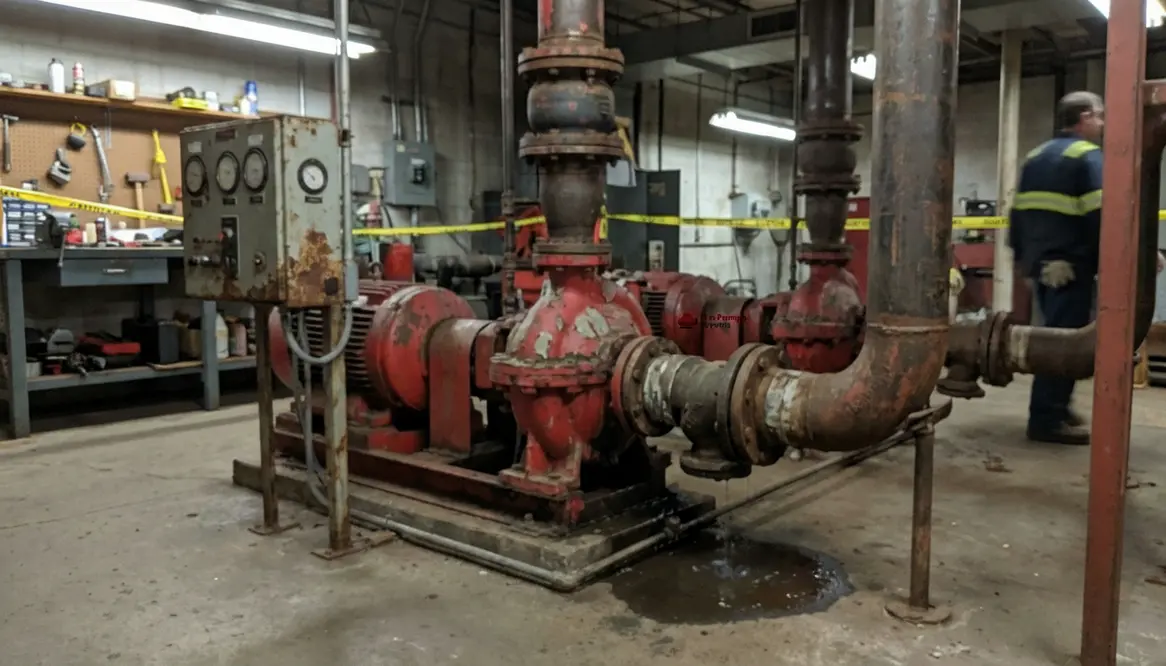
Fire pumps age like athletes, not antiques. At some point, they stop being “seasoned” and start being a liability. Understanding fire pump replacement costs is less about sticker shock and more about long term savings, risk, and keeping your operation out of the emergency column.
I have seen a lot of equipment age with grace. Fire pumps are not one of them. In commercial and industrial facilities, they do not retire quietly. They wait for the worst possible moment to fail. And yes, fire pump replacement costs are often the first thing owners worry about. I get it. No one enjoys approving a capital expense that does not generate revenue. However, when I look at the bigger picture, I see something else entirely. I see risk, downtime, compliance pressure, and long term savings all wrapped into one decision.
So let’s walk through this together, calmly and clearly, with just a touch of humor. Because if we cannot smile while talking about fire pumps, what are we even doing here?
Along the way, we will look at what really drives fire pump replacement costs, where the money quietly leaks out of your budget, and how a well-timed upgrade can turn what feels like a painful expense into a long term operational win.
A quick note before we get into the numbers
If you are already dealing with recurring pump issues, inspections that feel like cliffhangers, or surprise repair invoices, you are not just facing maintenance concerns. You are staring at the early warning signs that your long term costs are headed in the wrong direction.
Why aging fire pumps quietly drain your bottom line
At first glance, an old fire pump seems harmless. It still starts. It still moves water. Therefore, it must be fine. Right? Not quite.
Hidden technical and compliance costs
As systems age, efficiency drops. Components wear unevenly. Controllers become outdated. Meanwhile, maintenance costs creep up slowly, like a villain in a movie you forgot was still alive. You pay more for repairs, more for testing issues, and more for emergency service calls.
In addition, older systems often struggle to meet current codes. That means increased liability. And if you manage a large facility, liability is not just a word. It is a line item that can grow teeth.
The illusion of “saving money”
Therefore, what looks like savings today often turns into higher operational costs tomorrow. You avoid the capital project this year, but trade it for more repairs, more risk, and more pressure when inspections or incidents expose just how tired that equipment really is.
When you factor in staff time, emergency premiums, and reputational stakes, the “cheap” option usually is not actually cheap.
What drives fire pump replacement costs in large facilities
Let me answer this the way most people ask it in a meeting: what actually affects the price?
The answer is straightforward, although not always simple. Fire pump replacement costs depend on several factors, and the more complex your facility, the more carefully those factors need to be managed.
System size and capacity Larger buildings require higher flow rates and pressure, which increases equipment and installation scope.
Infrastructure compatibility Older mechanical rooms may need modifications. That includes piping, electrical upgrades, or space adjustments.
Code compliance upgrades New standards often require updated controllers, alarms, and monitoring systems.
Downtime planning In active facilities, especially industrial ones, scheduling the replacement without disrupting operations can add complexity.
However, here is the twist. While upfront costs may feel steep, they often stabilize long term budgets. And unlike your favorite streaming subscription, they actually deliver value.
Linking service quality and long term savings
If you want to go deeper into how inspections, testing, and system performance connect to the life of your pump, it is worth looking at how a specialist handles full service support. For example, providers like Kord Fire Protection’s fire pump service team combine inspections, maintenance, and testing in ways that can stretch the useful life of a new installation and help you control total cost of ownership.
Comparing repair versus replacement in real dollars
Repair mindset
You fix what breaks. Then you fix the next thing. And the next. Costs appear smaller, but they stack up quietly. Over time, reliability drops. Emergency calls increase. Meanwhile, your team spends more time reacting than planning.
This mindset makes fire pump replacement costs feel avoidable, while quietly burning through budget in the form of overtime, spare parts, and schedule disruptions.
Replacement strategy
You invest upfront. Then you gain predictable performance, lower maintenance, and improved compliance. More importantly, you reduce surprises. And in large facilities, fewer surprises mean fewer sleepless nights.
So while repairs feel cheaper in the moment, replacement often wins the long game. It is less about spending money and more about controlling it, especially when you view fire pump replacement costs across a 10 to 20 year lifecycle.
How modern fire pump systems improve performance and compliance
Now let us talk about what you gain when you stop patching the past and install a system designed for today’s codes and tomorrow’s inspections.
Smarter systems, clearer data
Modern fire pump systems are not just newer. They are smarter. Controllers provide better diagnostics. Systems integrate with building management platforms. Testing becomes more efficient and less disruptive.
That data helps you move from “something feels off” to “we know exactly what changed and when,” which is invaluable when you are defending maintenance decisions and budgets.
Easier compliance, fewer surprises
Additionally, compliance becomes easier to maintain. Updated systems align with current fire codes, which reduces inspection issues and potential fines. And if you have ever dealt with a failed inspection, you know it is about as enjoyable as a reboot during a presentation.
Moreover, energy efficiency improves. While fire pumps do not run constantly, supporting components and testing cycles still benefit from better design. Over the life of the system, that is one more way fire pump replacement costs can translate into genuine long term savings.
When should I replace my fire pump instead of repairing it?
This is the question I hear the most. And the answer is not mysterious. There is a tipping point where continuing repairs stops being responsible and starts being wishful thinking.
Repairs become frequent If you are calling for service multiple times a year, the system is telling you something.
Parts are hard to find Obsolete components slow down repairs and increase costs.
Performance is inconsistent Pressure drops or delayed starts are not quirks. They are warnings.
Code gaps appear If your system no longer meets standards, risk increases significantly.
At that point, continuing repairs is like patching an old boat. Eventually, the water wins. Fire pump replacement costs may look bigger on paper, but they often represent the cheaper, safer option when you consider failure scenarios, downtime, and regulatory exposure.
Planning ahead to control costs and avoid disruption
Here is where strategy changes everything. The more intentional you are, the more control you have over both fire pump replacement costs and operational impact.
Use timing as a cost control tool
Instead of waiting for failure, I recommend planning replacement during a controlled window. This allows coordination with facility schedules, reduces downtime, and avoids emergency premiums.
Additionally, phased planning can help manage budgets. You can align upgrades with capital cycles rather than reacting under pressure. And yes, this approach gives you leverage. Vendors respond better to planned projects than urgent calls at 2 AM.
When you treat your fire pump like any other major asset, you can forecast fire pump replacement costs, build them into your lifecycle plan, and still sleep at night knowing you are not one failure away from chaos.
FAQ
Aging equipment likes to generate questions almost as quickly as it generates work orders. Here are a few of the most common ones that come up when people start seriously evaluating replacement.
Conclusion
In the end, upgrading an aging fire pump is not just a cost decision. It is a business decision. When I weigh reliability, safety, and long term savings, the answer becomes clear. If your system is showing its age, now is the time to act.
Plan smart, invest wisely, and look at fire pump replacement costs through the lens of risk reduction, downtime control, and lifecycle budgeting. When you do, replacement stops feeling like punishment and starts looking like what it truly is: a strategic upgrade that protects people, property, and your bottom line.
If your pump is whispering (or shouting) that it is tired, listen now instead of waiting for it to fail loudly at the worst possible moment. Reach out today and take control before your equipment makes the decision for you.
Fire Pump Replacement Costs and Long Term Savings
Fire pumps age like athletes, not antiques. At some point, they stop being “seasoned” and start being a liability. Understanding fire pump replacement costs is less about sticker shock and more about long term savings, risk, and keeping your operation out of the emergency column.
I have seen a lot of equipment age with grace. Fire pumps are not one of them. In commercial and industrial facilities, they do not retire quietly. They wait for the worst possible moment to fail. And yes, fire pump replacement costs are often the first thing owners worry about. I get it. No one enjoys approving a capital expense that does not generate revenue. However, when I look at the bigger picture, I see something else entirely. I see risk, downtime, compliance pressure, and long term savings all wrapped into one decision.
So let’s walk through this together, calmly and clearly, with just a touch of humor. Because if we cannot smile while talking about fire pumps, what are we even doing here?
Along the way, we will look at what really drives fire pump replacement costs, where the money quietly leaks out of your budget, and how a well-timed upgrade can turn what feels like a painful expense into a long term operational win.
A quick note before we get into the numbers
If you are already dealing with recurring pump issues, inspections that feel like cliffhangers, or surprise repair invoices, you are not just facing maintenance concerns. You are staring at the early warning signs that your long term costs are headed in the wrong direction.
Why aging fire pumps quietly drain your bottom line
At first glance, an old fire pump seems harmless. It still starts. It still moves water. Therefore, it must be fine. Right? Not quite.
Hidden technical and compliance costs
As systems age, efficiency drops. Components wear unevenly. Controllers become outdated. Meanwhile, maintenance costs creep up slowly, like a villain in a movie you forgot was still alive. You pay more for repairs, more for testing issues, and more for emergency service calls.
In addition, older systems often struggle to meet current codes. That means increased liability. And if you manage a large facility, liability is not just a word. It is a line item that can grow teeth.
The illusion of “saving money”
Therefore, what looks like savings today often turns into higher operational costs tomorrow. You avoid the capital project this year, but trade it for more repairs, more risk, and more pressure when inspections or incidents expose just how tired that equipment really is.
When you factor in staff time, emergency premiums, and reputational stakes, the “cheap” option usually is not actually cheap.
What drives fire pump replacement costs in large facilities
Let me answer this the way most people ask it in a meeting: what actually affects the price?
The answer is straightforward, although not always simple. Fire pump replacement costs depend on several factors, and the more complex your facility, the more carefully those factors need to be managed.
System size and capacity Larger buildings require higher flow rates and pressure, which increases equipment and installation scope.
Infrastructure compatibility Older mechanical rooms may need modifications. That includes piping, electrical upgrades, or space adjustments.
Code compliance upgrades New standards often require updated controllers, alarms, and monitoring systems.
Downtime planning In active facilities, especially industrial ones, scheduling the replacement without disrupting operations can add complexity.
However, here is the twist. While upfront costs may feel steep, they often stabilize long term budgets. And unlike your favorite streaming subscription, they actually deliver value.
Linking service quality and long term savings
If you want to go deeper into how inspections, testing, and system performance connect to the life of your pump, it is worth looking at how a specialist handles full service support. For example, providers like Kord Fire Protection’s fire pump service team combine inspections, maintenance, and testing in ways that can stretch the useful life of a new installation and help you control total cost of ownership.
Comparing repair versus replacement in real dollars
Repair mindset
You fix what breaks. Then you fix the next thing. And the next. Costs appear smaller, but they stack up quietly. Over time, reliability drops. Emergency calls increase. Meanwhile, your team spends more time reacting than planning.
This mindset makes fire pump replacement costs feel avoidable, while quietly burning through budget in the form of overtime, spare parts, and schedule disruptions.
Replacement strategy
You invest upfront. Then you gain predictable performance, lower maintenance, and improved compliance. More importantly, you reduce surprises. And in large facilities, fewer surprises mean fewer sleepless nights.
So while repairs feel cheaper in the moment, replacement often wins the long game. It is less about spending money and more about controlling it, especially when you view fire pump replacement costs across a 10 to 20 year lifecycle.
How modern fire pump systems improve performance and compliance
Now let us talk about what you gain when you stop patching the past and install a system designed for today’s codes and tomorrow’s inspections.
Smarter systems, clearer data
Modern fire pump systems are not just newer. They are smarter. Controllers provide better diagnostics. Systems integrate with building management platforms. Testing becomes more efficient and less disruptive.
That data helps you move from “something feels off” to “we know exactly what changed and when,” which is invaluable when you are defending maintenance decisions and budgets.
Easier compliance, fewer surprises
Additionally, compliance becomes easier to maintain. Updated systems align with current fire codes, which reduces inspection issues and potential fines. And if you have ever dealt with a failed inspection, you know it is about as enjoyable as a reboot during a presentation.
Moreover, energy efficiency improves. While fire pumps do not run constantly, supporting components and testing cycles still benefit from better design. Over the life of the system, that is one more way fire pump replacement costs can translate into genuine long term savings.
When should I replace my fire pump instead of repairing it?
This is the question I hear the most. And the answer is not mysterious. There is a tipping point where continuing repairs stops being responsible and starts being wishful thinking.
Repairs become frequent If you are calling for service multiple times a year, the system is telling you something.
Parts are hard to find Obsolete components slow down repairs and increase costs.
Performance is inconsistent Pressure drops or delayed starts are not quirks. They are warnings.
Code gaps appear If your system no longer meets standards, risk increases significantly.
At that point, continuing repairs is like patching an old boat. Eventually, the water wins. Fire pump replacement costs may look bigger on paper, but they often represent the cheaper, safer option when you consider failure scenarios, downtime, and regulatory exposure.
Planning ahead to control costs and avoid disruption
Here is where strategy changes everything. The more intentional you are, the more control you have over both fire pump replacement costs and operational impact.
Use timing as a cost control tool
Instead of waiting for failure, I recommend planning replacement during a controlled window. This allows coordination with facility schedules, reduces downtime, and avoids emergency premiums.
Additionally, phased planning can help manage budgets. You can align upgrades with capital cycles rather than reacting under pressure. And yes, this approach gives you leverage. Vendors respond better to planned projects than urgent calls at 2 AM.
When you treat your fire pump like any other major asset, you can forecast fire pump replacement costs, build them into your lifecycle plan, and still sleep at night knowing you are not one failure away from chaos.
FAQ
Aging equipment likes to generate questions almost as quickly as it generates work orders. Here are a few of the most common ones that come up when people start seriously evaluating replacement.
Conclusion
In the end, upgrading an aging fire pump is not just a cost decision. It is a business decision. When I weigh reliability, safety, and long term savings, the answer becomes clear. If your system is showing its age, now is the time to act.
Plan smart, invest wisely, and look at fire pump replacement costs through the lens of risk reduction, downtime control, and lifecycle budgeting. When you do, replacement stops feeling like punishment and starts looking like what it truly is: a strategic upgrade that protects people, property, and your bottom line.
If your pump is whispering (or shouting) that it is tired, listen now instead of waiting for it to fail loudly at the worst possible moment. Reach out today and take control before your equipment makes the decision for you.