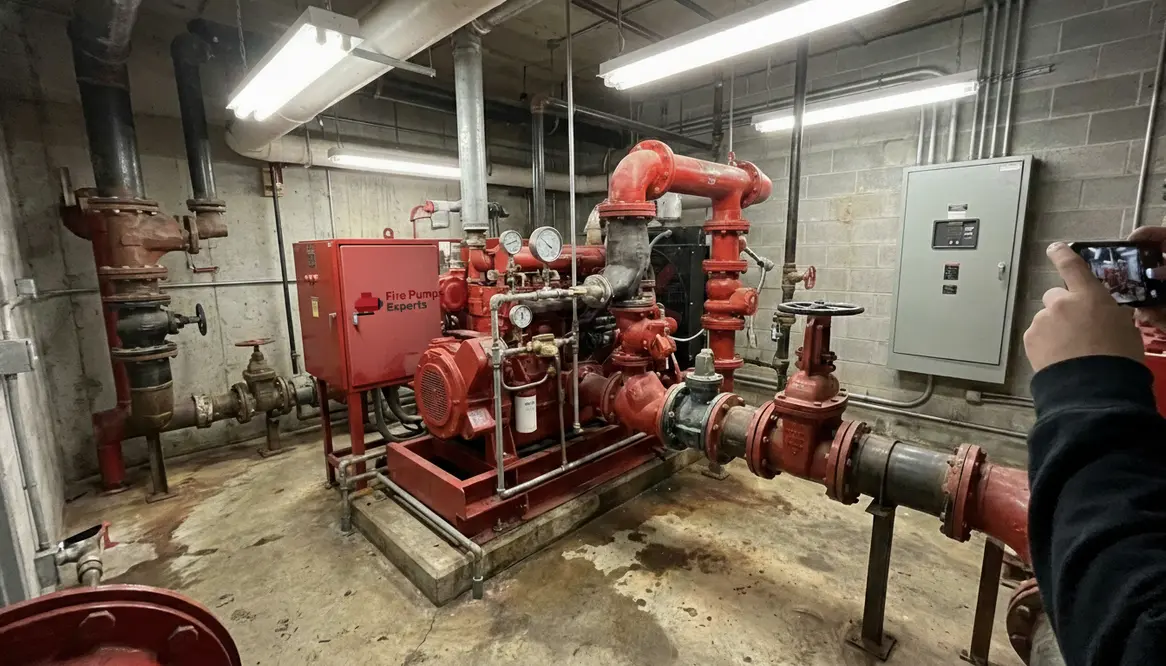
Approved pumps help reduce uncertainty. That is the real value. In a major building, risk control depends on parts that work together without drama. LPS 1131 approval gives me more trust in the pump’s role within the system, because it shows the pump fits a recognised path for LPC rule use.
However, approval does not remove the need for good design. It supports it. I still need proper commissioning, routine checks, and clear maintenance planning. Otherwise, even a strong pump can become a weak link over time. Fire systems, like most things in life, do not enjoy being ignored.
Questions I ask before I recommend an LPS 1131 pump
Quick decision checklist for facility teams
When I help a site team think through pump approval, I ask direct questions and answer them fast.
Is the pump sized for the site?
Yes, if it matches the flow and pressure demand of the protected area.
Does the pump suit a commercial or industrial setting?
Yes, if it supports the building’s fire risk and LPC rule system design.
Will it help with long term reliability?
Yes, if the pump is installed well and maintained on schedule.
Can I rely on approval alone?
No. Approval helps, but the full system still needs correct design and service.
What facility teams should do next
If I were advising a property manager, I would start with a full review of the building’s fire protection needs. Then I would compare those needs with the approved pump options available for LPC rule systems. After that, I would confirm the water supply, installation space, test access, and maintenance plan. This step by step approach keeps things grounded and practical.
It also helps teams avoid expensive changes later. And let us be honest, changing a pump after a project is already moving is about as fun as a Monday morning meeting that should have been an email. Checking that any shortlisted pump has LPS 1131 approval is a simple filter that saves serious arguments further down the line.
For sites that are already running, I like to see recorded test data, clear maintenance logs, and a direct line between the original design criteria and the pump that is actually installed. If those three things line up, confidence in the fire protection story goes up fast.
Where LPS 1131 pumps fit in the bigger fire safety picture
Linking design, approval, and operations
Fire safety for serious buildings is not just about ticking off standards. It is about lining up design intent, component approvals, and day to day operations so they are all pulling in the same direction. LPS 1131 approval is one part of that line. It tells me the pump has been checked for the kind of duty an LPC rule system expects, under conditions that are more realistic than a marketing brochure.
Using resources without getting lost
Technical guides, listings, and approvals can feel like alphabet soup. I lean on trusted sources, such as the listings and guidance at https://firepumps.org, but I always bring it back to one question: will this pump, in this room, with this water supply, actually support the fire strategy for this building?
FAQ
Conclusion
When I look at LPS 1131 pump approval for LPC rule systems, I see more than a standard. I see a practical way to protect commercial and industrial buildings with confidence. If you manage a warehouse, plant, tower, or other major property, now is the time to review your fire pump setup, confirm your compliance path, and make sure your system can perform when it matters most. Start that review today, and give your building the protection it deserves.
Approved pumps help reduce uncertainty. That is the real value. In a major building, risk control depends on parts that work together without drama. LPS 1131 approval gives me more trust in the pump’s role within the system, because it shows the pump fits a recognised path for LPC rule use.
However, approval does not remove the need for good design. It supports it. I still need proper commissioning, routine checks, and clear maintenance planning. Otherwise, even a strong pump can become a weak link over time. Fire systems, like most things in life, do not enjoy being ignored.
Questions I ask before I recommend an LPS 1131 pump
Quick decision checklist for facility teams
When I help a site team think through pump approval, I ask direct questions and answer them fast.
Is the pump sized for the site?
Yes, if it matches the flow and pressure demand of the protected area.
Does the pump suit a commercial or industrial setting?
Yes, if it supports the building’s fire risk and LPC rule system design.
Will it help with long term reliability?
Yes, if the pump is installed well and maintained on schedule.
Can I rely on approval alone?
No. Approval helps, but the full system still needs correct design and service.
What facility teams should do next
If I were advising a property manager, I would start with a full review of the building’s fire protection needs. Then I would compare those needs with the approved pump options available for LPC rule systems. After that, I would confirm the water supply, installation space, test access, and maintenance plan. This step by step approach keeps things grounded and practical.
It also helps teams avoid expensive changes later. And let us be honest, changing a pump after a project is already moving is about as fun as a Monday morning meeting that should have been an email. Checking that any shortlisted pump has LPS 1131 approval is a simple filter that saves serious arguments further down the line.
For sites that are already running, I like to see recorded test data, clear maintenance logs, and a direct line between the original design criteria and the pump that is actually installed. If those three things line up, confidence in the fire protection story goes up fast.
Where LPS 1131 pumps fit in the bigger fire safety picture
Linking design, approval, and operations
Fire safety for serious buildings is not just about ticking off standards. It is about lining up design intent, component approvals, and day to day operations so they are all pulling in the same direction. LPS 1131 approval is one part of that line. It tells me the pump has been checked for the kind of duty an LPC rule system expects, under conditions that are more realistic than a marketing brochure.
Using resources without getting lost
Technical guides, listings, and approvals can feel like alphabet soup. I lean on trusted sources, such as the listings and guidance at https://firepumps.org, but I always bring it back to one question: will this pump, in this room, with this water supply, actually support the fire strategy for this building?
FAQ
Conclusion
When I look at LPS 1131 pump approval for LPC rule systems, I see more than a standard. I see a practical way to protect commercial and industrial buildings with confidence. If you manage a warehouse, plant, tower, or other major property, now is the time to review your fire pump setup, confirm your compliance path, and make sure your system can perform when it matters most. Start that review today, and give your building the protection it deserves.
LPS 1131 Pump Approval for LPC Rule Fire Systems
A clear, practical look at how approved fire pumps keep LPC rule systems ready when conditions are anything but calm.
LPS 1131 Pump Approval for LPC Rule Systems sits at the center of how I think about fire protection for commercial and industrial buildings. When I work through a project, I do not treat pump approval as a box to check and move on. I treat it as the part that helps the whole system earn its keep when life gets loud and messy. In simple terms, an approved pump gives an LPC rule system the pressure and flow it needs to do its job with confidence. That matters in large plants, office towers, warehouses, and major property sites where a weak pump can turn a serious event into a full blown headache. And trust me, nobody wants that kind of surprise on a Tuesday.
In this article, I will walk through what LPS 1131 approval means, why it matters, how I look at pump selection, and what facility teams should check before they sign off. I will keep it clear, practical, and focused on real buildings, not fairy tales. Because fire protection should feel solid, not theatrical.
What LPS 1131 approval means for an LPC rule system
When I say LPS 1131 approval, I mean the pump has been assessed for use in LPC rule based fire protection systems. That approval matters because it shows the pump can support the system under the right fire safety standards. For commercial and industrial sites, that is not a small detail. It is the difference between a system that looks good on paper and one that can perform when the alarm sounds.
LPC rule systems rely on proper water delivery. Therefore, the pump must match the system demand, the building layout, and the risk level. If the pump falls short, the rest of the setup starts to wobble. And when water pressure drops, confidence drops with it. That is not exactly the kind of drama anyone wants in a storage facility or a high rise.
Why I treat pump approval as a system decision
I never look at the pump alone. Instead, I look at the full fire protection picture. The building size, water source, sprinkler demand, hose allowance, and pressure needs all shape the final choice. As a result, LPS 1131 approval becomes part of a wider design decision, not just a product label.
Here is the simple truth: a pump can only do so much if the rest of the system fights it. So I check whether the approved model fits the site, the water supply, and the duty points. I also look at how the pump will behave during real use, not just in a neat spec sheet that looks like it came from a futuristic sitcom.
How I evaluate an approved pump for a commercial site
When I review an LPS 1131 approved pump for a commercial or industrial site, I focus on a few key points. These help me judge whether the pump will work well in the real world.
Dual column view of what I check
What I review
- System demand and required flow
- Pressure needs across the protected area
- Water source reliability
- Pump duty and standby setup
- Compatibility with LPC rule design
Why it matters
- It must meet the fire load
- It must reach all outlets properly
- It must keep working during peak demand
- It must support resilience and uptime
- It must align with the approval path
After I compare those points, I look at installation access, service needs, and ongoing testing. A pump that is hard to inspect can create problems later. Also, a facility team should never need a treasure map just to reach the test valve. That sort of layout makes everyone grumpy.
How LPS 1131 approval supports risk control
Approved pumps help reduce uncertainty. That is the real value. In a major building, risk control depends on parts that work together without drama. LPS 1131 approval gives me more trust in the pump’s role within the system, because it shows the pump fits a recognised path for LPC rule use.
However, approval does not remove the need for good design. It supports it. I still need proper commissioning, routine checks, and clear maintenance planning. Otherwise, even a strong pump can become a weak link over time. Fire systems, like most things in life, do not enjoy being ignored.
Questions I ask before I recommend an LPS 1131 pump
Quick decision checklist for facility teams
When I help a site team think through pump approval, I ask direct questions and answer them fast.
Is the pump sized for the site?
Yes, if it matches the flow and pressure demand of the protected area.
Does the pump suit a commercial or industrial setting?
Yes, if it supports the building’s fire risk and LPC rule system design.
Will it help with long term reliability?
Yes, if the pump is installed well and maintained on schedule.
Can I rely on approval alone?
No. Approval helps, but the full system still needs correct design and service.
What facility teams should do next
If I were advising a property manager, I would start with a full review of the building’s fire protection needs. Then I would compare those needs with the approved pump options available for LPC rule systems. After that, I would confirm the water supply, installation space, test access, and maintenance plan. This step by step approach keeps things grounded and practical.
It also helps teams avoid expensive changes later. And let us be honest, changing a pump after a project is already moving is about as fun as a Monday morning meeting that should have been an email. Checking that any shortlisted pump has LPS 1131 approval is a simple filter that saves serious arguments further down the line.
For sites that are already running, I like to see recorded test data, clear maintenance logs, and a direct line between the original design criteria and the pump that is actually installed. If those three things line up, confidence in the fire protection story goes up fast.
Where LPS 1131 pumps fit in the bigger fire safety picture
Linking design, approval, and operations
Fire safety for serious buildings is not just about ticking off standards. It is about lining up design intent, component approvals, and day to day operations so they are all pulling in the same direction. LPS 1131 approval is one part of that line. It tells me the pump has been checked for the kind of duty an LPC rule system expects, under conditions that are more realistic than a marketing brochure.
Using resources without getting lost
Technical guides, listings, and approvals can feel like alphabet soup. I lean on trusted sources, such as the listings and guidance at https://firepumps.org, but I always bring it back to one question: will this pump, in this room, with this water supply, actually support the fire strategy for this building?
FAQ
Conclusion
When I look at LPS 1131 pump approval for LPC rule systems, I see more than a standard. I see a practical way to protect commercial and industrial buildings with confidence. If you manage a warehouse, plant, tower, or other major property, now is the time to review your fire pump setup, confirm your compliance path, and make sure your system can perform when it matters most. Start that review today, and give your building the protection it deserves.
LPS 1131 Pump Approval for LPC Rule Fire Systems
A clear, practical look at how approved fire pumps keep LPC rule systems ready when conditions are anything but calm.
LPS 1131 Pump Approval for LPC Rule Systems sits at the center of how I think about fire protection for commercial and industrial buildings. When I work through a project, I do not treat pump approval as a box to check and move on. I treat it as the part that helps the whole system earn its keep when life gets loud and messy. In simple terms, an approved pump gives an LPC rule system the pressure and flow it needs to do its job with confidence. That matters in large plants, office towers, warehouses, and major property sites where a weak pump can turn a serious event into a full blown headache. And trust me, nobody wants that kind of surprise on a Tuesday.
In this article, I will walk through what LPS 1131 approval means, why it matters, how I look at pump selection, and what facility teams should check before they sign off. I will keep it clear, practical, and focused on real buildings, not fairy tales. Because fire protection should feel solid, not theatrical.
What LPS 1131 approval means for an LPC rule system
When I say LPS 1131 approval, I mean the pump has been assessed for use in LPC rule based fire protection systems. That approval matters because it shows the pump can support the system under the right fire safety standards. For commercial and industrial sites, that is not a small detail. It is the difference between a system that looks good on paper and one that can perform when the alarm sounds.
LPC rule systems rely on proper water delivery. Therefore, the pump must match the system demand, the building layout, and the risk level. If the pump falls short, the rest of the setup starts to wobble. And when water pressure drops, confidence drops with it. That is not exactly the kind of drama anyone wants in a storage facility or a high rise.
Why I treat pump approval as a system decision
I never look at the pump alone. Instead, I look at the full fire protection picture. The building size, water source, sprinkler demand, hose allowance, and pressure needs all shape the final choice. As a result, LPS 1131 approval becomes part of a wider design decision, not just a product label.
Here is the simple truth: a pump can only do so much if the rest of the system fights it. So I check whether the approved model fits the site, the water supply, and the duty points. I also look at how the pump will behave during real use, not just in a neat spec sheet that looks like it came from a futuristic sitcom.
How I evaluate an approved pump for a commercial site
When I review an LPS 1131 approved pump for a commercial or industrial site, I focus on a few key points. These help me judge whether the pump will work well in the real world.
Dual column view of what I check
What I review
- System demand and required flow
- Pressure needs across the protected area
- Water source reliability
- Pump duty and standby setup
- Compatibility with LPC rule design
Why it matters
- It must meet the fire load
- It must reach all outlets properly
- It must keep working during peak demand
- It must support resilience and uptime
- It must align with the approval path
After I compare those points, I look at installation access, service needs, and ongoing testing. A pump that is hard to inspect can create problems later. Also, a facility team should never need a treasure map just to reach the test valve. That sort of layout makes everyone grumpy.
How LPS 1131 approval supports risk control
Approved pumps help reduce uncertainty. That is the real value. In a major building, risk control depends on parts that work together without drama. LPS 1131 approval gives me more trust in the pump’s role within the system, because it shows the pump fits a recognised path for LPC rule use.
However, approval does not remove the need for good design. It supports it. I still need proper commissioning, routine checks, and clear maintenance planning. Otherwise, even a strong pump can become a weak link over time. Fire systems, like most things in life, do not enjoy being ignored.
Questions I ask before I recommend an LPS 1131 pump
Quick decision checklist for facility teams
When I help a site team think through pump approval, I ask direct questions and answer them fast.
Is the pump sized for the site?
Yes, if it matches the flow and pressure demand of the protected area.
Does the pump suit a commercial or industrial setting?
Yes, if it supports the building’s fire risk and LPC rule system design.
Will it help with long term reliability?
Yes, if the pump is installed well and maintained on schedule.
Can I rely on approval alone?
No. Approval helps, but the full system still needs correct design and service.
What facility teams should do next
If I were advising a property manager, I would start with a full review of the building’s fire protection needs. Then I would compare those needs with the approved pump options available for LPC rule systems. After that, I would confirm the water supply, installation space, test access, and maintenance plan. This step by step approach keeps things grounded and practical.
It also helps teams avoid expensive changes later. And let us be honest, changing a pump after a project is already moving is about as fun as a Monday morning meeting that should have been an email. Checking that any shortlisted pump has LPS 1131 approval is a simple filter that saves serious arguments further down the line.
For sites that are already running, I like to see recorded test data, clear maintenance logs, and a direct line between the original design criteria and the pump that is actually installed. If those three things line up, confidence in the fire protection story goes up fast.
Where LPS 1131 pumps fit in the bigger fire safety picture
Linking design, approval, and operations
Fire safety for serious buildings is not just about ticking off standards. It is about lining up design intent, component approvals, and day to day operations so they are all pulling in the same direction. LPS 1131 approval is one part of that line. It tells me the pump has been checked for the kind of duty an LPC rule system expects, under conditions that are more realistic than a marketing brochure.
Using resources without getting lost
Technical guides, listings, and approvals can feel like alphabet soup. I lean on trusted sources, such as the listings and guidance at https://firepumps.org, but I always bring it back to one question: will this pump, in this room, with this water supply, actually support the fire strategy for this building?
FAQ
Conclusion
When I look at LPS 1131 pump approval for LPC rule systems, I see more than a standard. I see a practical way to protect commercial and industrial buildings with confidence. If you manage a warehouse, plant, tower, or other major property, now is the time to review your fire pump setup, confirm your compliance path, and make sure your system can perform when it matters most. Start that review today, and give your building the protection it deserves.