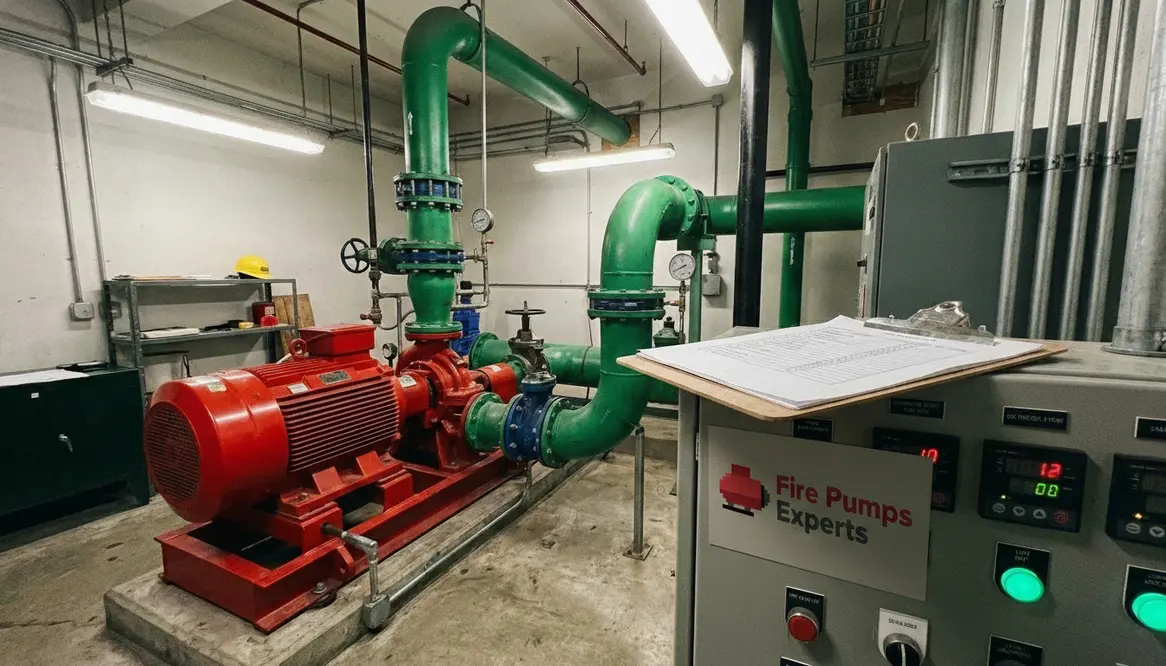
LPS 1131 Certification Checklist for Fire Pumps
I have seen enough fire pump rooms to know one thing: confidence is nice, but proof wins. That is where LPS 1131 certification comes in. For commercial and industrial facilities, and for major property buildings, this standard helps show that a fire pump can do its job when the pressure drops and the stakes climb fast. In other words, it is the difference between “we think it works” and “we know it works.” And in fire protection, guessing is a hobby no one should keep.
Why this checklist matters
In this guide, I walk through the checklist I use to help teams prepare for LPS 1131 certification. I keep it practical, clear, and focused on real world needs, because nobody wants to drown in paperwork while a pump sits there waiting to be judged like it just walked onto a talent show stage.
Whether you manage a high rise, a warehouse, or a complex industrial site, the checklist keeps you out of the “we will figure it out during the inspection” trap. LPS 1131 certification is easier when you treat it like a structured process instead of a last minute performance.
What I verify before LPS 1131 certification
I always start with the basics, because small misses can cause big delays. First, I confirm the pump type, model, rated flow, rated pressure, and driver details. Then I check that the pump matches the approved design for the site. If the installed unit differs from the design, that is a problem right away.
Next, I look at the nameplates, control panels, and all key labels. They should be clear, visible, and correct. I also review the installation records, test reports, and maintenance logs. These papers tell the story of the system, and if the story has missing pages, the review slows down fast. The main goal here is simple: make sure the fire pump is the right equipment, installed the right way, and backed by clean records.
LPS 1131 certification checklist for fire pumps
When I use the checklist, I break it into two columns in my own notes so nothing slips through the cracks. On one side, I track system condition. On the other, I track proof. That keeps the process neat, and it saves time later. Here is the core list I follow.
System condition
- Confirm the pump is accessible and free of blocked space
- Check the suction and discharge piping for support, alignment, and leaks
- Verify valves are in the correct position and clearly marked
- Inspect the driver, couplings, and guards for wear or damage
- Review the controller for alarms, wiring issues, and clean operation
Proof and records
- Match the installed pump to approved plans and specs
- Check recent flow test results and acceptance data
- Review maintenance logs for service dates and repairs
- Confirm the inspection schedule is current and complete
- Gather any correction reports and closeout documents
Then I go one step deeper. I verify power supply stability, fuel supply where needed, water source status, and room conditions like heat and drainage. A fire pump room should not feel like a storage closet that lost a fight with a mop bucket. It must stay clean, dry, and ready. Small things matter here, because small things often decide whether a system passes cleanly or gets sent back for more work.
How I test the fire pump room conditions
I do not treat the room as a backdrop. I treat it as part of the system. First, I check ventilation and temperature control, because heat can damage equipment over time. Then I look at lighting, access paths, and drainage. The team must reach the pump fast, without climbing over boxes or stepping around puddles like extras in a low budget action scene.
I also inspect housekeeping. Dust, debris, oil, and stored items can all create risk. After that, I confirm the room has the right signs, emergency instructions, and service access. If the site uses a diesel driven pump, I pay extra attention to fuel quality, tank condition, and exhaust routing. If the site uses an electric driven pump, I focus more on power reliability and controller health. Either way, I want the room to support quick action, not slow it down.
What I look for during performance verification
Performance is where talk ends and numbers begin. I review suction conditions, discharge pressure, churn pressure, and flow performance against the required standard. I also check that the pump starts as it should, both manually and automatically, and that it reaches stable operation without odd noise, vibration, or delay.
Next, I compare test results with the design curve and acceptance criteria. If the numbers drift too far, I want to know why. The cause could be a bad valve, a worn impeller, low supply pressure, or another issue hiding in plain sight. Either way, I do not assume. I trace it. A strong certification review depends on evidence, not optimism dressed up in a hard hat.
Why documentation and maintenance records matter
This part may sound dull, but it carries real weight. Good records show that the fire pump has been watched, tested, and repaired with care. I look for inspection dates, test frequency, service notes, parts replaced, and any corrective action. I also check that past issues were fixed and not just “noted,” which is corporate for “we will circle back later.”
For teams in commercial and industrial facilities, and for major property buildings, clean documentation also helps with audits, insurance review, and long term risk control. If you want deeper technical guidance, I recommend reviewing the official LPS 1131 fire pump certification resource as part of your planning process.
Used properly, LPS 1131 certification becomes more than a one time hurdle; it becomes a framework for keeping your fire pump honest, documented, and ready when you need it most.
FAQ
Conclusion
If you want your fire pump to pass review with fewer surprises, start early and check every detail with care. I have found that strong preparation saves time, cuts risk, and makes the whole process far less painful than a last minute scramble.
So, use this checklist, clean up the records, test the system, and make sure the room is ready. When you are ready to move forward, take the next step with confidence and get your certification plan in order now. Treated this way, LPS 1131 certification becomes a structured, repeatable way to prove that your fire pump will be there when everything else goes wrong.