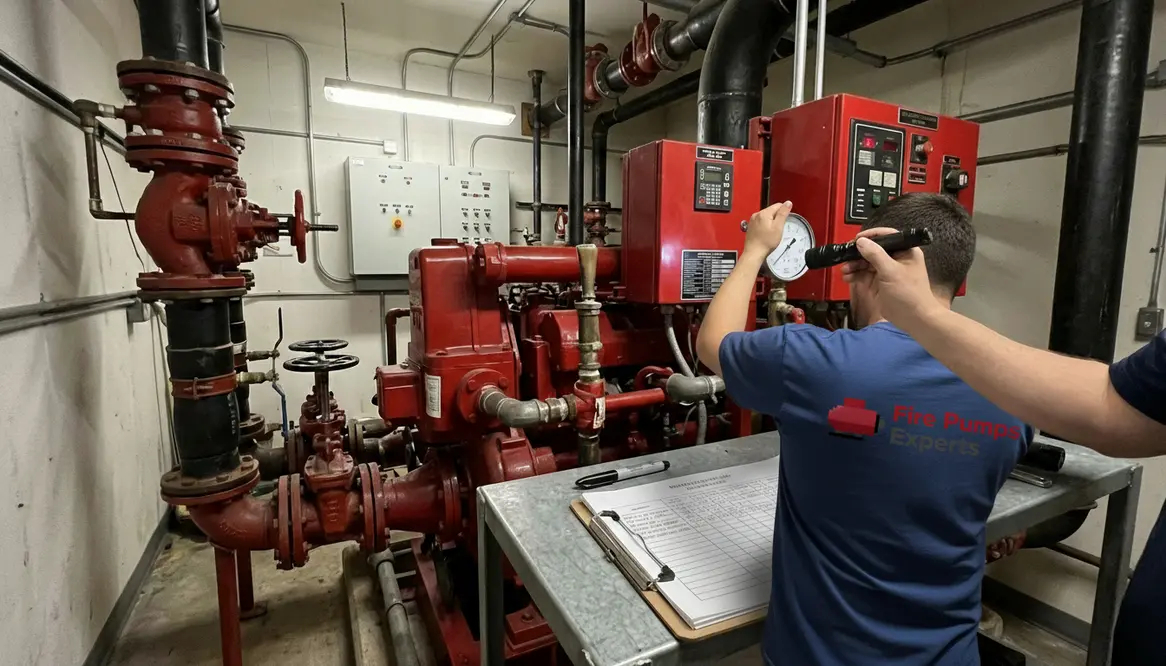
Fire Pump Lifespan Extension Tips for Reliability
I have spent enough time around commercial pump rooms to know this truth: a fire pump system is only as reliable as the care it receives. When people talk about fire pump lifespan extension, they often imagine complex upgrades or expensive overhauls. In reality, it starts with consistent attention, smart habits, and a little respect for the machinery that stands between a minor incident and a major disaster. And yes, while it may not be as glamorous as a Hollywood action scene, keeping your system in peak condition is far more heroic.
What Actually Impacts Fire Pump Lifespan Extension in Large Facilities?
I like to think of a fire pump system as the strong, silent type. It does not complain, it does not ask for much, but it absolutely keeps score. Every skipped inspection, every ignored vibration, every delayed test quietly shortens its operational life.
Several factors shape how long your system will perform when it matters most. First, water quality plays a surprisingly large role. Corrosion and mineral buildup can quietly damage internal components. Next, environmental conditions matter. Excess heat, humidity, or dust in pump rooms can accelerate wear. Finally, usage patterns count. Systems in large industrial facilities that test regularly tend to perform better than those left idle for long stretches.
However, the biggest influence is consistency. Routine care beats occasional deep maintenance every single time. Think of it like going to the gym. Showing up once a year will not help much, no matter how intense the workout is. If you are serious about fire pump lifespan extension, your schedule and your habits matter more than your budget.
If you want a system that performs a decade from now as confidently as it does today, start by controlling what you can: water quality, room conditions, testing discipline, and documentation. Those are the cornerstones of real-world fire pump lifespan extension.
Routine Maintenance Habits That Quietly Add Years
I have seen well maintained systems outlive expectations simply because someone followed a schedule like it actually mattered. Because it does.
Start with weekly churn tests. These keep seals lubricated and identify early warning signs. Then, move into monthly inspections. I always check for leaks, unusual noises, and pressure irregularities. If something sounds off, it probably is.
Additionally, annual flow testing is non negotiable in commercial and industrial settings. This is where performance gets measured under real demand conditions. Skipping it is like assuming your car will pass inspection without ever opening the hood.
And yes, documentation matters. Keeping detailed logs helps identify patterns before they turn into failures. It also keeps you compliant, which is not exactly exciting, but very necessary.
What I Always Check
- Pressure consistency during operation
- Seal and gasket condition
- Controller response times
- Fuel or power supply stability
What I Never Ignore
- Unusual vibrations
- Delayed startup
- Temperature spikes
- Corrosion signs
Those boring weekly and monthly tasks are exactly what quietly buy you years of additional reliability. If someone ever asks how you approached fire pump lifespan extension, “we were painfully consistent” is a great answer.
Why Testing Is Your System’s Reality Check
Testing is where confidence meets reality. You can believe your system works, or you can prove it. I prefer proof.
Flow testing, in particular, tells you whether your pump can deliver under pressure. It reveals inefficiencies that routine checks might miss. Moreover, it exposes issues with valves, controllers, and supply lines all at once.
Now, I get it. Testing can feel disruptive. It takes time, coordination, and sometimes patience. But compare that to the alternative. Discovering a failure during an emergency is not just inconvenient, it is catastrophic.
And if I can add a touch of humor here, skipping testing is like trusting your WiFi during a storm because it worked yesterday. Bold move. Not a wise one.
Consistent testing does not just validate performance on paper; it is one of the most practical tools you have for fire pump lifespan extension, because every “pass” confirms your maintenance is working and every “fail” gives you a chance to fix problems before they become expensive hardware replacements.
Smart Upgrades That Support Fire Pump Lifespan Extension
Sometimes, extending system life is not about maintaining what you have, but improving it.
Modern controllers, for example, offer better diagnostics and faster response times. Upgrading aging components can reduce strain on the entire system. Additionally, variable frequency drives in certain setups help manage pressure more efficiently, which reduces wear.
Another overlooked upgrade is monitoring technology. Remote monitoring allows facility managers to track performance in real time. This means problems get addressed faster, often before they escalate.
However, upgrades should be strategic. Throwing technology at a problem without understanding it rarely works. I always recommend evaluating system performance data before making changes.
When it comes to fire pump lifespan extension, smart upgrades act like power steering for your maintenance program: less strain, more control, and far better feedback when something starts to drift out of spec.
If you want to see how professional teams handle inspection, repair, and upgrades under real-world conditions, it is worth looking at a specialist provider such as Kord Fire Protection’s fire pump service. Watching how experts structure testing and documentation can give you practical ideas for improving your own program.
How Do I Know My Fire Pump System Is Failing?
The signs are usually subtle at first. That is what makes them dangerous.
If your system struggles to maintain pressure, starts slower than usual, or produces unusual sounds, pay attention. These are early indicators. Additionally, frequent controller alarms or inconsistent test results suggest deeper issues.
I also watch for changes in energy consumption. A system that suddenly draws more power is working harder than it should. That extra effort often points to internal wear or inefficiencies.
Ignoring these signs is like ignoring a check engine light. It does not fix itself. It just waits for a worse moment to fail.
A big part of fire pump lifespan extension is refusing to normalize “little quirks.” Slow starts, small leaks, and occasional alarms are not personality traits; they are warnings. Treat them that way.
Building a Long Term Strategy That Actually Works
Extending the life of a fire pump system is not a one time effort. It is a mindset.
I focus on creating a structured maintenance plan tailored to the facility. Large commercial and industrial properties have unique demands, so a one size approach does not work. Coordination between maintenance teams, facility managers, and certified fire protection professionals is essential.
Additionally, training matters. When staff understand what normal operation looks like, they can spot issues faster. That awareness alone can add years to system performance.
And let me say this plainly. The goal is not just longevity. It is reliability. Because in the moments that matter, your system does not get a second chance.
A solid long term strategy for fire pump lifespan extension usually looks unremarkable from the outside: regular tests, disciplined recordkeeping, quick reactions to small problems, and steady collaboration with qualified fire protection partners. Quiet, predictable, and extremely effective.
FAQ
Below are some quick answers to questions that come up repeatedly when people start taking fire pump lifespan extension seriously.
Keep It Running When It Matters Most
If you manage a commercial or industrial facility, you already know the stakes. A reliable fire pump system is not optional. It is essential. By investing in consistent care, smart upgrades, and professional oversight, you protect both your property and the people inside it.
Treat your maintenance plan as non negotiable. Lock in weekly churn tests, monthly inspections, and annual flow tests. Document everything. Question every rattle, hum, or delay. Build relationships with certified fire protection experts who can verify that your good intentions match real-world performance.
Take action now, strengthen your maintenance strategy, and ensure your system performs when it is called upon. Because when that moment comes, everything depends on it, and the time you invested in thoughtful fire pump lifespan extension will be the quiet reason the situation stays under control.