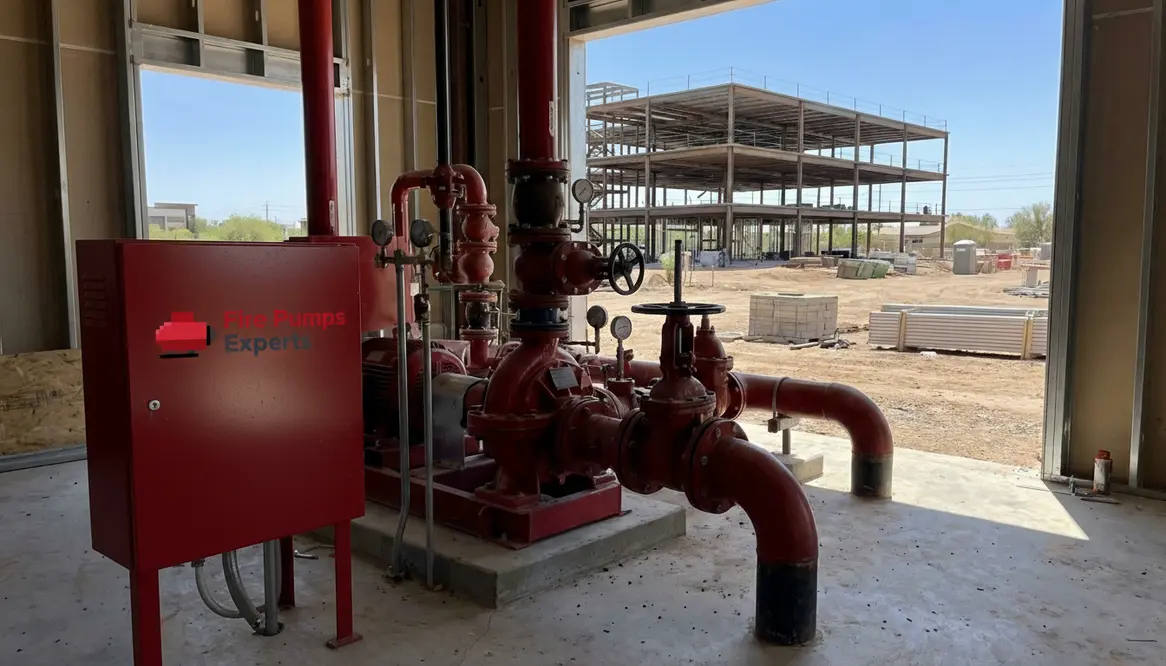
Phoenix Fire Pump Systems Guide for Developers
I have spent enough time around commercial build sites in Phoenix to know one thing for certain. Fire protection is never the place to “figure it out later.” Somewhere between tight deadlines and tighter budgets, Phoenix fire pump systems quietly become the unsung backbone of a building’s safety plan. And while they may not get the spotlight like glass facades or smart elevators, they are the difference between a contained incident and a headline.
So let me walk you through what actually matters. Not the fluff. Not the checkbox mentality. The real, practical knowledge that keeps projects compliant, efficient, and, frankly, out of trouble.
Who this guide is for
Developers, owners, and project leads who would rather not explain to a city inspector why their pump room feels like an afterthought.
What you will get
A practical look at Phoenix fire pump systems that helps you plan earlier, coordinate better, and avoid the budget-eating mistakes that show up right before TCO.
Understanding Fire Pump Systems in Phoenix Developments
At its core, a fire pump exists to do one job exceptionally well. It boosts water pressure when the municipal supply cannot keep up. And in Phoenix, that is not a rare scenario. With sprawling commercial campuses and high demand on infrastructure, relying solely on city pressure is a gamble I would not recommend.
Because of this, I always treat fire pump design as a primary system, not a backup plan. Whether I am working on a distribution center or a high rise office, I consider flow rate, pressure demand, and system redundancy from the start.
Additionally, local codes are strict, and rightfully so. Phoenix authorities expect systems that perform under peak stress, not just on paper. So, cutting corners here is like bringing a garden hose to a five alarm fire. Technically water, but not exactly helpful.
Why Phoenix fire pump systems are non-negotiable
When the city’s water pressure dips at the exact same time multiple systems are demanding flow, your fire protection cannot shrug and say, “Maybe tomorrow.” Phoenix fire pump systems give your sprinklers, standpipes, and hoses the pressure they need when the grid is having a bad day.
What Developers in Phoenix Need to Get Right from Day One
If I could sit every developer down before ground breaks, I would say this first. Plan early. Fire pump integration is not something you “fit in” later without consequences.
Space allocation
Pump rooms require proper ventilation, access, and clearance. I have seen projects scramble at the last minute, squeezing equipment into spaces clearly not designed for it. It never ends well.
Power reliability
Whether electric or diesel driven, the system must run when everything else fails. Therefore, coordination with electrical infrastructure is critical.
Water supply analysis
Water supply analysis should happen upfront. Not halfway through construction. Not after inspections start looming. Early testing avoids expensive redesigns later.
And yes, I have seen developers learn this the hard way. Let us just say inspectors are not known for their sense of humor.
Why Phoenix Fire Pump Systems Demand Climate Awareness
Phoenix is not exactly gentle when it comes to climate. Extreme heat is not just uncomfortable. It directly affects system performance.
Because of this, I always account for temperature impact on equipment. Motors, seals, and controllers all respond differently under sustained heat. Without proper cooling or ventilation, efficiency drops and failure risk rises.
Additionally, water storage and evaporation play a role. Systems must maintain reliable supply levels despite environmental conditions. So, design choices need to reflect real world Phoenix conditions, not ideal lab scenarios.
Think of it this way. If your system cannot handle a Phoenix summer, it cannot handle an emergency either.
How Do I Choose the Right Fire Pump Configuration?
I get this question a lot, and the answer is refreshingly straightforward. It depends on demand, building type, and risk level.
For large commercial and industrial facilities, I typically evaluate:
System Requirements
- Flow rate needed for full coverage
- Pressure requirements across all zones
- Building height and layout complexity
- Redundancy expectations
Pump Options
- Electric pumps for consistent power access
- Diesel pumps for backup reliability
- Horizontal split case for high capacity
- Vertical turbine for unique water sources
However, I never treat this as a one size fits all decision. Each facility has its own demands. A logistics hub is not a hospital, and a data center certainly is not forgiving when systems fail.
Also, I like to remind teams that choosing the cheapest option often becomes the most expensive lesson. Fire systems have a long memory. They remember every shortcut.
If you want a deeper technical overview of how codes shape design decisions, NFPA 20 is the standard that regulates fire pump design, installation, and testing. A practical breakdown is available at this NFPA 20 fire pump guide from Kord Fire Protection, which is a useful companion when you are aligning design intent with code expectations.
Compliance, Testing, and Long Term Reliability
Once installed, the job is not done. In fact, this is where discipline matters most.
Phoenix requires strict adherence to NFPA standards, and inspections are thorough. Therefore, routine testing is not optional. Weekly churn tests, annual flow testing, and controller checks all play a role in ensuring readiness.
Moreover, I always emphasize documentation. Inspectors expect clear records, and facility managers need visibility into system health.
Because when something goes wrong, and eventually something always tries to, you want answers, not guesswork.
And let me add this. A neglected fire pump system is like a gym membership you never use. It looks good on paper, but it does absolutely nothing when you need it.
Common Mistakes I See in Commercial Projects
Even experienced teams slip up. However, the patterns are familiar.
- First, underestimating demand. Developers sometimes rely on outdated data or assumptions. As a result, systems fall short during testing.
- Second, poor coordination between trades. Fire protection, electrical, and plumbing must align early. Otherwise, conflicts arise, and fixes become expensive.
- Third, ignoring maintenance planning. Installing a system without a long term service strategy is like buying a car and skipping oil changes. You know how that ends.
- Finally, treating compliance as the finish line instead of the baseline. Passing inspection is important, but performance over time is what truly matters.
A quick sanity check for your Phoenix fire pump systems
- Has the water supply actually been tested, or is everyone quoting an old report?
- Is there clear physical access to all equipment for service and inspection?
- Do operations and maintenance teams know the testing schedule and responsibilities?
- Is there a written plan for long term reliability, not just passing the first inspection?
FAQ About Fire Pump Systems in Phoenix
What is the main purpose of a fire pump system?
It increases water pressure to meet fire protection demands when city supply is insufficient.
Are fire pumps required in all commercial buildings?
No, but many large or high risk facilities require them based on code and water supply conditions.
How often should fire pump systems be tested?
Weekly and annual testing is standard under NFPA guidelines.
What type of pump is best for large facilities?
Horizontal split case pumps are common for high capacity needs, but it depends on system design.
Can extreme heat affect fire pump performance?
Yes, high temperatures can impact efficiency and reliability without proper design considerations.
Build Smarter with the Right Fire Protection Strategy
If you are developing in Phoenix, this is not the place to cut corners or hope for the best. The right system, properly designed and maintained, protects your investment and the people inside it. I always recommend partnering with specialists who understand large scale commercial demands and local code expectations. When you are ready to get serious about fire protection, take action early, plan thoroughly, and make sure your system is built to perform when it matters most. Phoenix fire pump systems will not be the flashiest line item on your budget, but they might be the most important one on the day you actually need them.