Chicago High Rise Fire Pump Upgrades Code Compliance
Practical lessons from the mechanical rooms that keep Chicago’s tallest buildings protected.
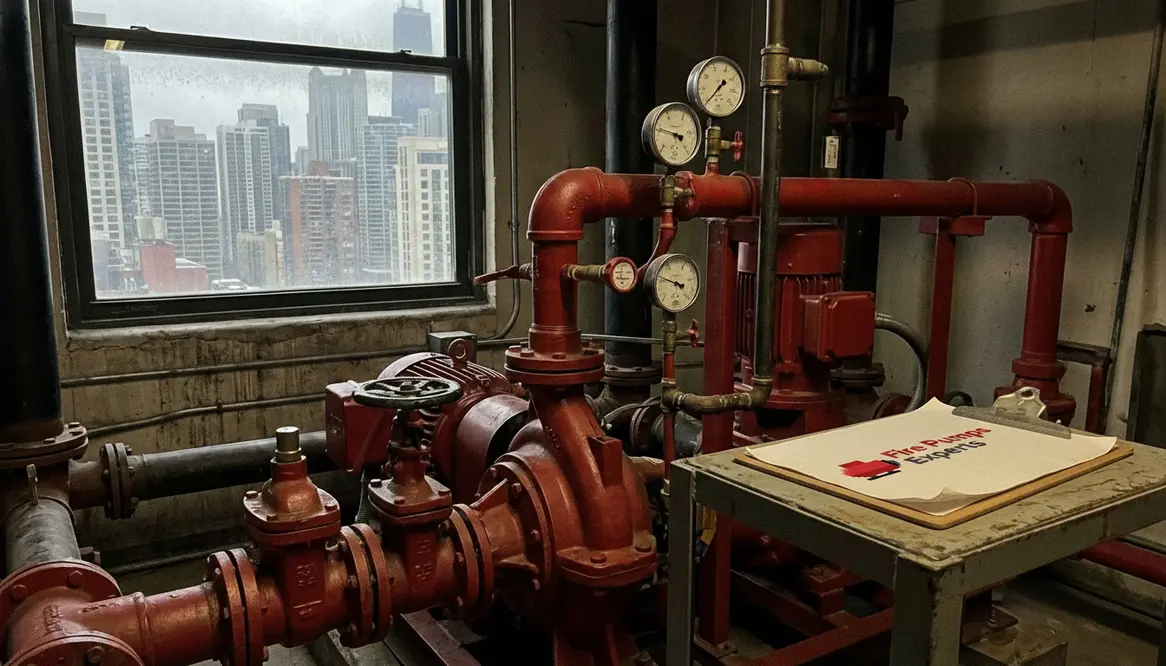
I have spent years walking mechanical rooms in Chicago, listening to the steady heartbeat of urban high-rise fire pumps and the stories they tell. Some hum with confidence. Others… well, they sound like a jazz drummer on too much coffee. When it is time to upgrade, staying code compliant is not just a box to check. It is the difference between a system that protects and one that politely shrugs. So let me walk you through it, calm and clear, with a little humor to keep us awake.
At a glance: why upgrades matter
- Codes evolve faster than some buildings do.
- High-rise pressure demands can quietly outgrow old designs.
- Inspectors expect documentation, not excuses.
- Proper planning keeps tenants protected and operations running.
Today, we are focusing on how to upgrade urban high-rise fire pumps in Chicago without falling out of step with the code or the people who enforce it.
Understanding Chicago Fire Codes Before You Touch Anything
First things first, I never pick up a wrench before I pick up the code book. Chicago follows strict fire protection standards shaped by NFPA 20, local amendments, and city inspection requirements. However, what trips people up is not the big rules. It is the fine print hiding in plain sight.
Where Chicago goes beyond the basics
For example, Chicago often requires specific pump room protections, suction supply conditions, and controller configurations that go beyond generic national standards. Therefore, I always verify with the Chicago Fire Department and local authorities before finalizing any upgrade plan. It saves time, money, and a few gray hairs.
Code reality check
In other words, guessing is not a strategy. It is a liability. A quick conversation with plan reviewers beats a long conversation after a failed inspection.
If you want a deeper NFPA 20 breakdown that pairs nicely with city requirements, Kord Fire’s overview of fire pump design and installation is a solid reference point at this NFPA 20 fire pump guide.
How I Evaluate Existing Fire Pump Systems in High Rise Buildings
Before replacing anything, I take a hard look at what is already there. Not everything needs to go. But then again, some systems are older than your favorite rerun of The Office, and just as unpredictable.
What I look at first
I focus on performance data, pressure consistency, and flow test results. In addition, I check for outdated controllers, worn impellers, and suction limitations. These factors tell me whether an upgrade or a full replacement makes sense.
Moreover, I always review how the system supports current building demands. Many commercial and industrial facilities in Chicago have evolved over time. Consequently, their fire protection systems must evolve too. That is especially true for urban high-rise fire pumps that have quietly carried increasing loads for years.
Choosing the Right Equipment for Urban High Rise Fire Pumps
Not all pumps are created equal, and not all buildings ask for the same performance. Selecting the right equipment is where compliance meets practicality, especially when we are talking about urban high-rise fire pumps that feed complex standpipe and sprinkler networks.
What I prioritize:
- Rated capacity that matches actual demand
- Reliable electric or diesel drivers based on site needs
- Controllers that meet current code and allow easy testing
- Compatibility with existing piping and power systems
What I avoid:
- Oversized pumps that create pressure issues
- Outdated components that fail inspections
- Cheap substitutions that look good on paper only
- Ignoring long term maintenance access
Meanwhile, I keep efficiency in mind. A compliant system should not feel like it belongs in a museum. It should perform cleanly, reliably, and without drama. When urban high-rise fire pumps are sized and controlled correctly, occupants never think about them, and that is exactly the point.
Permits, Inspections, and the Reality of Chicago Compliance
Here is where things get real. You can design the perfect system, but without proper permits and inspections, it is just a very expensive paperweight.
I always coordinate with city officials early. This includes submitting detailed plans, hydraulic calculations, and equipment specifications. Then, during installation, I make sure every step aligns with approved documents.
Testing: the final exam
After that, testing becomes the main event. Acceptance tests must prove that the upgraded system performs exactly as required. And yes, inspectors will notice everything. They have seen it all.
Think of it like a final exam, except the stakes are much higher and there is no extra credit. Your upgraded urban high-rise fire pumps either pass under real flow, or you are back to the drawing board.
Why Timing and Phasing Matter in Commercial Buildings
Upgrading fire pumps in active commercial or industrial properties is a balancing act. You cannot simply shut everything down and hope tenants understand. That conversation never ends well.
Phased upgrades that keep people safe
So I plan upgrades in phases. This keeps fire protection active while work progresses. In addition, I coordinate closely with facility managers to minimize disruption.
Furthermore, temporary systems may be required to maintain compliance during the transition. It is not glamorous, but it is essential. Safety does not take a lunch break.
What mistakes should I avoid when upgrading fire pumps?
I have seen a few patterns over the years, and they are worth calling out.
- Skipping a full system evaluation before upgrading
- Using equipment that does not meet Chicago specific requirements
- Ignoring pressure zoning in tall buildings
- Failing to document changes properly for inspectors
- Rushing installation without proper testing
However, the biggest mistake is assuming compliance is static. Codes evolve. Buildings change. Therefore, upgrades must reflect current conditions, not past assumptions. If your last serious look at those pumps predates your latest renovation, it is time to revisit the entire strategy.
FAQ: Quick Answers for Chicago Fire Pump Upgrades
Do I need a permit to upgrade a fire pump in Chicago?
Yes. Permits are required, along with plan approval and inspections.
How often should fire pumps be tested after an upgrade?
Weekly churn tests and annual flow tests are standard.
Can I reuse existing piping during an upgrade?
Sometimes, but only if it meets current code and performance requirements.
What standards apply to fire pumps in high rise buildings?
NFPA 20 plus Chicago local amendments govern installations.
How long does a typical upgrade take?
It depends on complexity, but most projects range from weeks to a few months.
Bring Confidence Back to Your Fire Protection System
Upgrading fire pumps is not just about compliance. It is about trust. When I walk away from a project, I want that system to perform without hesitation, like a seasoned actor hitting every line. If you are planning an upgrade in Chicago, take the time to do it right. Work with experts who understand the codes, the city, and the stakes.
Reach out today, and let us make sure your urban high-rise fire pumps stand ready when it matters most, quietly doing their job while the rest of the building carries on with business as usual.