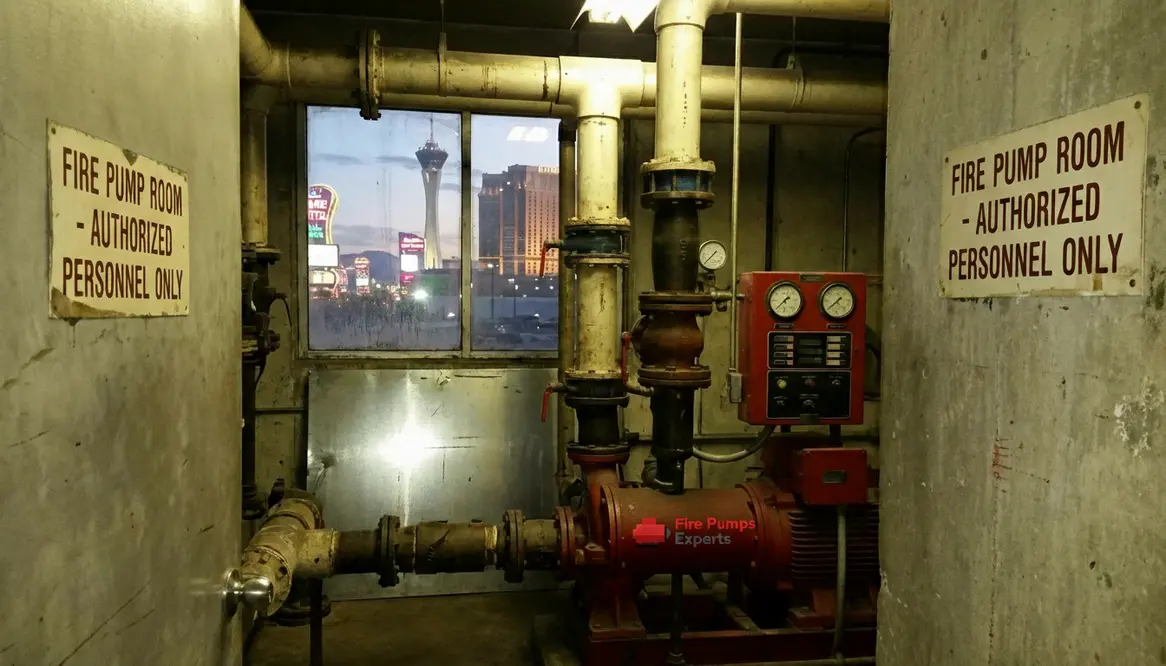
Fire Pump Upgrades Older Buildings Las Vegas
I have seen a lot of things in Las Vegas. Neon lights that never sleep. Hotels that feel like cities. And behind all that sparkle, systems that quietly stand guard. One of the most important is the fire pump. It does not ask for attention, but when it is needed, it must perform without hesitation. That is why I often talk about fire pump upgrades older buildings need, especially in a city where many commercial properties have aged alongside their fame.
Because in this town, reliability is not a luxury. It is survival. And frankly, a fire pump that fails is about as useful as a magician who cannot find the rabbit.
Why reliability matters more in Las Vegas than most cities
Las Vegas operates on scale and intensity. Large resorts, industrial facilities, and high occupancy commercial spaces push systems harder than usual. So when I evaluate fire protection here, I do not just look for compliance. I look for endurance.
First, the climate plays a role. Heat stresses equipment. Over time, seals wear down, motors strain, and performance dips. As a result, older systems often struggle to meet modern demand.
Second, building density raises the stakes. A single failure can affect thousands of occupants. Therefore, reliability becomes a direct line to safety, liability, and business continuity.
And finally, Las Vegas never really shuts down. So maintenance windows are tight, and systems must be ready at all hours. In other words, there is no room for “almost working.”
What happens when a fire pump fails in a commercial facility?
Let me answer this plainly. When a fire pump fails, everything downstream suffers. Sprinkler systems lose pressure. Standpipes underperform. Firefighters face delays.
Consequently, the risk multiplies fast. Property damage increases. Insurance complications follow. And compliance violations are not far behind.
Now, I have seen building owners assume redundancy will save them. Sometimes it does. But sometimes it does not. Because if the core system is outdated, redundancy becomes a polite illusion.
Think of it like having two old cars that both struggle to start. Technically, you have a backup. Practically, you are still late.
How fire pump upgrades older buildings improve safety and compliance
Older commercial properties in Las Vegas carry history. However, their fire systems often reflect codes from another era. This is where fire pump upgrades older buildings benefit from come into focus.
Modern upgrades address three critical areas. First, they restore pressure performance to meet current fire codes. Second, they improve energy efficiency and reduce operational strain. Third, they integrate better monitoring systems, allowing teams to detect issues before they escalate.
Moreover, updated systems align with insurance expectations. That means fewer surprises during audits and a stronger risk profile overall.
I like to think of it this way. You would not run a modern casino on 1980s software. So why trust outdated fire protection with today’s demands?
Older System Risks
Inconsistent pressure output
Frequent mechanical wear
Limited monitoring capability
Higher failure probability
Upgraded System Benefits
Stable and code compliant pressure
Improved durability and lifespan
Real time performance tracking
Reduced risk exposure
If you operate or manage an older high rise or commercial property and want a deeper look at testing and performance standards, reviewing NFPA 20 guidance and working with a dedicated fire pump service provider such as Kord Fire Protection’s fire pump services can help you benchmark where your system stands today.
Signs your building cannot rely on its current fire pump
Now, not every issue announces itself with flashing lights. Sometimes the warning signs are subtle. However, they are there if you know where to look.
For example, frequent maintenance calls often signal deeper problems. Likewise, pressure inconsistencies during testing should raise eyebrows. And if parts are becoming harder to source, that is not nostalgia. That is a red flag.
Additionally, if your system struggles during peak demand simulations, it is telling you something important. It is saying, “I am trying, but I am tired.”
At that point, holding onto the old system becomes less about saving money and more about delaying risk. That is especially true in markets where fire pump upgrades older buildings are no longer just optional improvements but practical necessities.
The business case for proactive upgrades in large properties
Let us talk dollars and sense. Because while safety leads the conversation, economics always joins it.
Proactive upgrades reduce emergency repair costs. They also minimize downtime, which in Las Vegas can translate into significant revenue protection. Furthermore, they support smoother inspections and help avoid costly compliance penalties.
On top of that, insurers tend to favor buildings with modernized fire protection systems. Therefore, premiums and coverage terms often reflect that reduced risk.
And here is the quiet truth. A well maintained, upgraded system rarely becomes the headline. But the one that fails? That becomes a story nobody wants to tell.
When you look at large portfolios, the properties that prioritize fire pump upgrades older buildings require tend to experience fewer surprises, fewer emergency shutdowns, and far less drama when inspectors walk in the door.
FAQ: Fire pump reliability for Las Vegas commercial buildings
Conclusion: Make reliability your quiet advantage
In a city built on spectacle, the smartest move is often the one nobody notices. Upgrading your fire pump system ensures your building stays safe, compliant, and operational when it matters most. So if your system is aging or underperforming, now is the time to act. Connect with experts who understand large scale facilities and take the next step toward dependable protection. Because in Las Vegas, reliability is not just protection. It is peace of mind.
When you prioritize the right fire pump upgrades older buildings require, you are not just fixing a piece of equipment. You are quietly protecting guests, staff, operations, and reputation long before anyone ever needs to see those pumps in action.