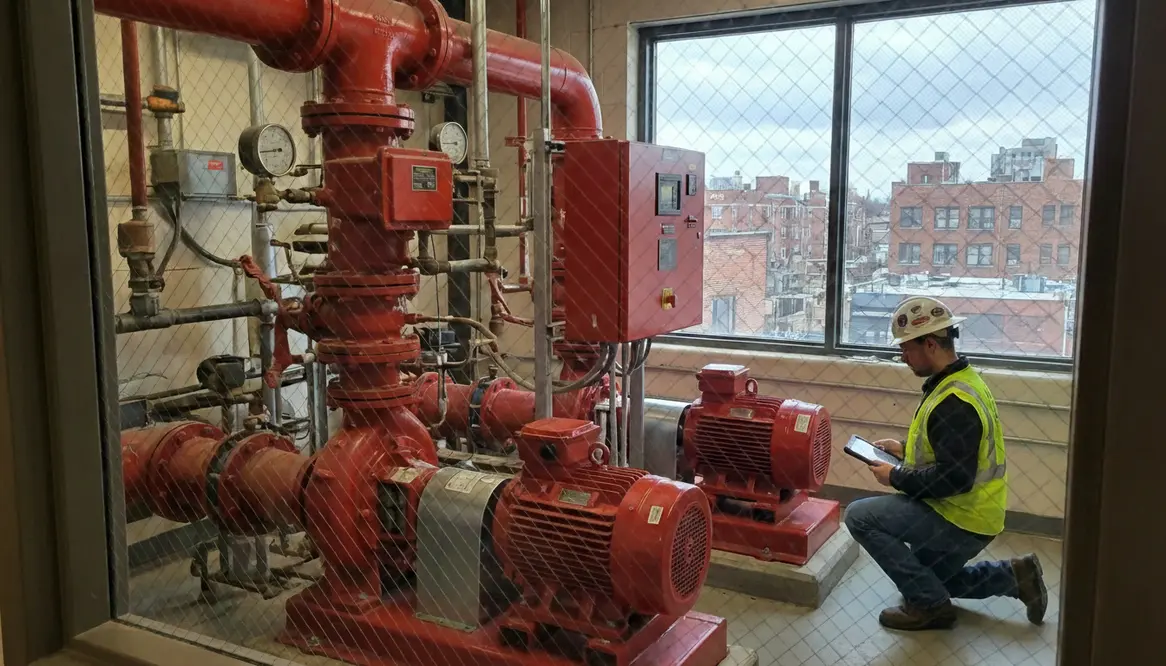
Fire Pump Upgrades New Jersey for Commercial Safety
A behind-the-scenes look at how thoughtful design, code compliance, and practical planning turn fire pumps into the quiet backbone of commercial safety.
I have walked through more mechanical rooms than I can count, and I can tell you this with absolute certainty: when it comes to protecting a commercial building, few systems carry the quiet authority of a properly installed fire pump. In New Jersey, where codes are strict and expectations even stricter, getting it right is not optional. That is exactly where fire pump upgrades New Jersey come into play, especially for large scale properties that cannot afford downtime, risk, or guesswork. Think of it like casting the right actor for a blockbuster film. You want reliability, presence, and no surprises when the pressure is on.
What Should I Consider Before Installing a Fire Pump in New Jersey?
First, I always look at compliance. New Jersey follows NFPA standards closely, and local authorities enforce them with a watchful eye. So, I make sure every installation aligns with NFPA 20 and local amendments. Otherwise, you are not just risking a failed inspection. You are risking the entire building’s safety profile.
Next, I consider water supply. Is it municipal, stored, or a combination? Because pressure fluctuations can turn a reliable system into a very expensive paperweight. Therefore, I evaluate flow tests early. It saves headaches later.
Then comes the building itself. High rises, warehouses, and industrial plants all have different demands. A distribution center is not a hospital, and it should not be treated like one. Although that may sound obvious, you would be surprised how often it gets overlooked.
And finally, I think about future expansion. Because nothing ages faster than a system that was designed only for today.
Why it matters for fire pump upgrades New Jersey
When I review older systems, especially in busy commercial corridors, the most common issues aren’t exotic. They are simple oversights in water supply analysis, misapplied NFPA 20 rules, or fire pumps that were sized for a very different building than the one operating today. Thoughtful planning keeps your future expansion plans, insurance expectations, and inspection cycles aligned instead of constantly playing catch up.
That is the real advantage of tackling fire pump upgrades New Jersey facilities actually live with day after day: your system stops being a static installation and becomes a long term asset that keeps pace with changing tenants, uses, and hazards.
Site Planning That Actually Works
Now, let me paint a picture. You walk into a pump room that feels like it was designed by someone who enjoys puzzles a little too much. Tight clearances, poor access, and zero room for maintenance. Not ideal.
Instead, I prioritize space and accessibility. Technicians need room to work, inspectors need clear visibility, and equipment needs breathing room. So, I map out layouts that respect both function and human sanity.
Additionally, I focus on environmental factors. Flood risk, temperature control, and ventilation all matter. New Jersey weather does not exactly play nice year round. Therefore, I design with resilience in mind.
Because in this business, convenience is not a luxury. It is part of reliability.
fire pump upgrades New Jersey for Long Term Performance
Upgrades are not just about replacing old equipment. I see them as an opportunity to correct past compromises. Maybe the original system was undersized. Maybe it lacked redundancy. Or maybe it was installed back when flip phones were cutting edge technology.
So, I approach upgrades with intention. I evaluate current demand, future needs, and system integration. Then, I select pumps that deliver consistent pressure without overworking the system.
At the same time, I integrate modern controls. Smart monitoring allows facility managers to catch issues early. And trust me, catching a problem early beats explaining a failure later.
Because while a fire pump rarely gets applause, it definitely gets attention when it fails.
Paired with the right service partner, fire pump upgrades New Jersey properties invest in today become one of the least dramatic, most valuable risk management decisions on the balance sheet.
Power Supply and Reliability Planning
Here is where things get serious. A fire pump without reliable power is like a superhero without their powers. Technically present, but not very helpful.
I always evaluate primary and backup power sources. Electric pumps need dependable feeds, while diesel pumps require proper fuel storage and maintenance planning. Therefore, I often recommend redundancy where possible.
Additionally, I coordinate with electrical engineers early in the process. Because last minute adjustments in this area tend to be expensive and stressful.
And if there is one thing I try to avoid, it is stress during inspections. Inspectors have a way of noticing everything.
Design Choices That Impact Daily Operations
Good design does more than meet code. It makes life easier for the people who manage the building every day.
Control Systems
I choose interfaces that are simple and intuitive. Because not every facility manager wants to feel like they are piloting a spaceship.
Noise Management
I account for sound levels, especially in mixed use commercial buildings. Nobody enjoys a surprise engine roar.
Maintenance Access
I ensure routine checks can be done quickly. Less downtime means better reliability and fewer complaints.
Testing Efficiency
I design systems that allow smooth and safe testing. Because weekly testing should not feel like an event.
As a result, the system becomes part of the building’s rhythm instead of a disruption.
For owners who want deeper background on code based pump layout and installation details, resources like the NFPA 20 overview at Kord Fire Protection offer a helpful technical complement to hands on experience.
Working With the Right Team Matters
I have seen projects succeed and fail based on one factor: the team. Engineers, contractors, inspectors, and facility managers all need to be aligned. Otherwise, small missteps turn into big problems.
So, I focus on collaboration early. I communicate clearly, document thoroughly, and stay involved through installation and testing. Because handing off responsibility too soon is like leaving a movie before the final act. You miss the part where everything comes together.
And in New Jersey, where standards are high, that final act matters.
When the right people plan and execute fire pump upgrades New Jersey buildings rely on, the result is a system that impresses inspectors, reassures owners, and stays quiet and dependable when everything else is loud and uncertain.
FAQ: Fire Pump Installation for Commercial Properties
These are the questions that come up the most while planning fire pump upgrades New Jersey owners are considering for both existing and new commercial properties.
Conclusion
If you are planning a new installation or considering improvements, I can help you make smart, lasting decisions. From design to execution, I focus on performance, compliance, and reliability that stands the test of time. Reach out today to discuss your project and explore how the right fire pump strategy can protect your property, your people, and your peace of mind. Because when it comes to safety, cutting corners is never part of the script.