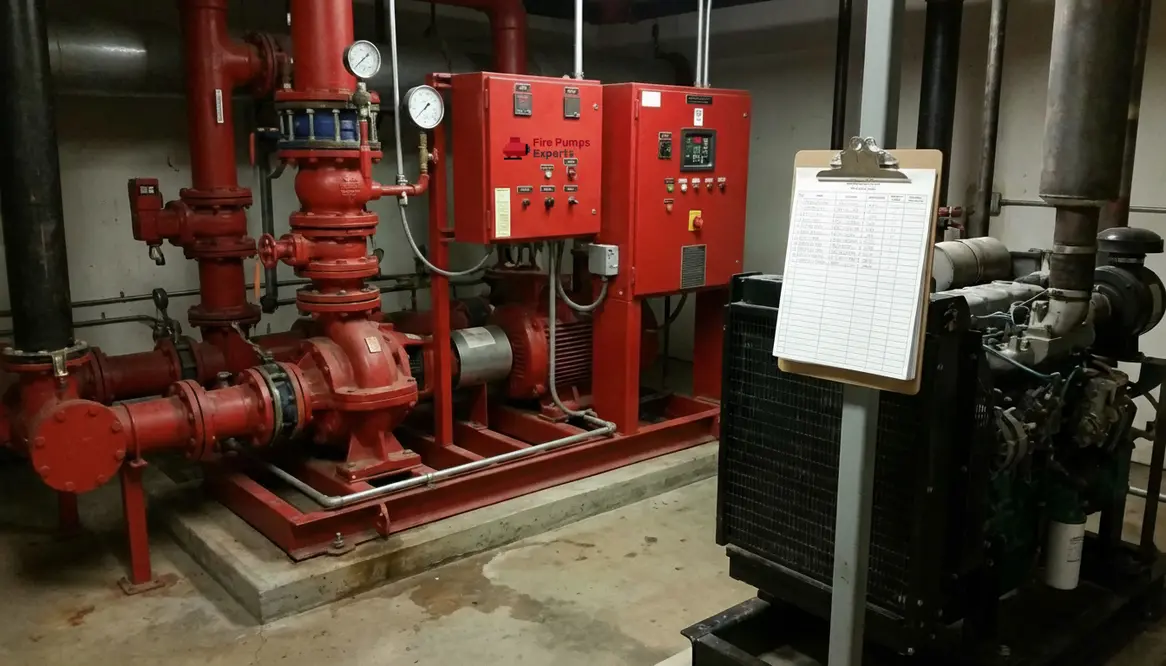
Developer Fire Pump Planning in New Jersey
I have spent enough time around mechanical rooms to know one truth. Fire pumps do not care about excuses. They either work when the alarm sounds, or they do not. And in New Jersey, where codes are firm and expectations even firmer, that line becomes very clear. That is where developer fire pump planning steps into the spotlight. Early planning sets the tone for everything that follows. It shapes compliance, performance, and frankly, whether you sleep well during an inspection season. So today, I am walking you through what actually matters, without the fluff and without the headache.
What do New Jersey facility managers actually need to know about fire pumps?
Let me answer this plainly. You need to know how your system performs under pressure, how it aligns with state codes, and how quickly it can fail if ignored. New Jersey follows NFPA standards closely, but local enforcement adds its own flavor. Therefore, I always tell managers to think beyond installation and focus on lifecycle performance.
For example, your fire pump must deliver the right flow and pressure at peak demand. That sounds simple, but buildings evolve. Tenants change, layouts shift, and suddenly your original design is playing catch up. Meanwhile, inspectors are not interested in your building’s backstory. They want results.
And yes, if you are wondering, a weekly churn test is not optional. It is as essential as your morning coffee. Probably more so.
Core checkpoints for New Jersey facilities
- Can the pump deliver required flow and pressure at peak building demand?
- Are NFPA 20 installation and NFPA 25 testing requirements actually met, not just talked about?
- Do records clearly show weekly churn tests, annual flow tests, and repairs?
- Has anyone checked whether building changes quietly outgrew the original design?
Developer fire pump planning for large commercial properties
When I approach large scale facilities, I treat planning like casting a movie. Every component needs the right role, or the whole thing turns into a low budget disaster. With developer fire pump planning, I focus on three core elements.
System design that matches reality
System Design
I ensure the pump matches real building demand, not just theoretical numbers. Overbuilding wastes energy, while underbuilding invites failure.
Power Reliability
Electric or diesel is not just a preference. It is a risk decision. I weigh outage history, building use, and redundancy needs.
Space, access, and tomorrow’s building
Space and Access
I plan for maintenance from day one. If a technician cannot reach it, they cannot fix it. Simple as that.
Future Expansion
I always leave room for growth. Buildings change faster than people admit.
Because of this approach to developer fire pump planning, I avoid the classic trap of reactive upgrades. And trust me, reactive upgrades cost more and feel worse.
If you ever want a reality check on how fire pumps behave under strict standards, look at how full-service firms handle fire pump services in places like NFPA 20 regulated fire pump installations. The same discipline belongs in every New Jersey commercial project.
Compliance in New Jersey without the headaches
Now, let us talk about compliance. This is where many facility managers start to sweat. However, it does not have to be that way. I treat compliance like a routine, not a crisis.
My New Jersey compliance playbook
First, I stay aligned with NFPA 20 for installation and NFPA 25 for testing and maintenance. Then, I layer in New Jersey specific enforcement expectations. Inspectors here tend to look closely at documentation. So I keep records clean, current, and easy to access.
Additionally, I schedule testing like clockwork. Weekly churn tests, annual flow tests, and periodic inspections are non negotiable. Skipping them is like ignoring a check engine light. It will not fix itself, no matter how much you hope.
And yes, hoping is not a compliance strategy. If it were, we would all be firefighters by optimism alone.
Common fire pump issues I see in commercial buildings
Over the years, I have noticed patterns. Fire pump problems rarely arrive as surprises. They build quietly, then show up at the worst possible time.
Controller failures often stem from poor maintenance or aging components. Meanwhile, pressure drops usually signal system imbalance or hidden leaks. I have also seen diesel pumps fail simply because fuel quality was ignored.
However, the most common issue is neglect. Facility teams get busy. Priorities shift. The pump sits quietly, doing nothing, until suddenly it needs to do everything.
That is a bad moment to discover a problem.
Warning signs your pump is quietly unhappy
- Churn tests that “almost” meet previous readings
- Controllers throwing occasional alarms that no one documents
- Small fuel, oil, or packing leaks treated as background noise
- Staff who never see the pump run under full flow conditions
How I approach maintenance for long term reliability
I keep it simple and consistent. First, I follow a strict testing schedule. Then, I document everything. After that, I review trends over time. This allows me to catch small issues before they grow into expensive failures.
I also work closely with qualified service providers who specialize in commercial and industrial systems. Not all vendors are created equal. Some treat fire pumps like side work. I prefer specialists who understand the stakes.
Training your team to notice the “not quite right” moments
Moreover, I make sure my team knows what normal looks like. When staff recognize changes in sound, vibration, or performance, they can act quickly. It is a bit like knowing your car. You can tell when something feels off, even before the dashboard lights up.
This is where strong developer fire pump planning pays off years later. You are not just installing hardware; you are creating a predictable routine: test, review, document, adjust.
FAQ: Fire pumps in New Jersey facilities
Facility teams across New Jersey ask me the same core questions again and again. The short answers below keep everyone grounded in reality, not rumor.
Conclusion
Fire pumps are not just equipment. They are a promise your building makes to every person inside it. When I take planning and maintenance seriously, I protect that promise. If you manage a commercial or industrial facility in New Jersey, now is the time to tighten your approach, refine your system, and work with experts who understand the stakes. Because when the moment comes, your fire pump should not hesitate. And neither should you.