UL FM Electric Fire Pump Requirements Guide
UL FM Electric Fire Pump Requirements Explained
When I talk about fire protection for commercial and industrial buildings, I start with one simple truth: the pump is the quiet hero in the room. It does not ask for applause, and it rarely gets one. Yet when the system needs pressure, the UL/FM electric fire pump steps in and does the heavy lifting. For major properties, that means reliable water flow, code aligned performance, and far less drama when the alarm sounds. In other words, this is not a place for guesswork, creative shortcuts, or “we will figure it out later” energy.
In this guide, I will walk through the key requirements that shape UL listed and FM approved electric fire pumps, how they work, and what facility teams should check before installation. I will keep it practical, direct, and useful for commercial and industrial sites that need real protection, not brochure talk.
What I look for first in an electric fire pump
The first thing I check is whether the pump matches the actual demand of the building. A pump should not be oversized just because bigger sounds safer. That can create stress on the system and waste money. Instead, I focus on the fire flow, the pressure needed at the most remote point, and the water source available. Simple idea, serious impact.
UL and FM both care about performance under real fire conditions. Therefore, the pump must deliver the rated flow and pressure without failing when the system calls for it. The motor must also have enough capacity to start the pump under full load. That is where many projects stumble. The pump may look fine on paper, but if the motor cannot start it cleanly, the whole setup turns into expensive theater.
In dual columns, here is the quick version:
Column 1
- Correct pump size for the hazard and building demand
- Reliable electric motor with proper starting capacity
- Stable water supply from tank, city line, or reservoir
Column 2
- Listed or approved components from the same system logic
- Proper controller setup for fast, safe startup
- Room layout that supports access, testing, and service
So yes, the equipment matters. However, the system around the pump matters just as much.
How UL and FM shape fire pump design
UL and FM do not simply stamp a product and move on. They test how the pump behaves under real conditions. That means they care about reliability, endurance, and how the unit responds during startup and operation. For facility owners, this is good news. It gives a level of trust that the pump is built for hard work, not showroom life.
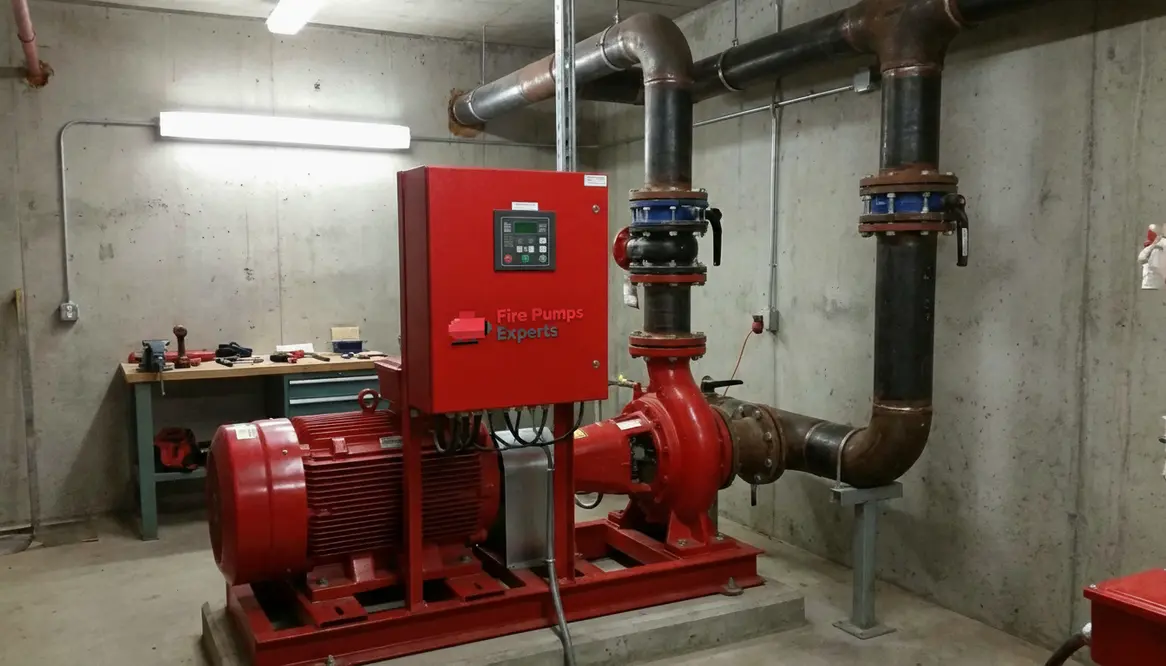
Electric fire pump systems usually include the pump, motor, controller, jockey pump, suction and discharge fittings, and the power supply. Each part must work with the others. If one piece acts like the awkward cousin at a family dinner, the whole system feels it. I have seen projects where the pump itself was fine, but the controller setup or power feed created problems. That is why system design must follow the listing and approval rules closely.
UL and FM also influence how the installation team places the pump. The unit needs proper clear space around it for inspection, testing, and service. It also needs a room that stays dry, accessible, and protected from damage. For commercial and industrial facilities, that is not optional. A fire pump tucked into a bad corner with poor access is like putting a piano in a closet and calling it concert ready.
Why the controller and power supply matter
The electric controller is the brain of the setup. It tells the pump when to start and helps protect the motor. Because of that, the controller must match the pump and motor exactly. I always check voltage, phase, short circuit rating, and the starting method. If these do not line up, the system may trip, fail to start, or create a headache during inspection.
The power source matters just as much. Electric fire pumps need a dependable supply that stays available during a fire event. Therefore, the facility should review the utility service, emergency power options, and any transfer arrangement that supports the pump. If the pump loses power when the fire alarm goes off, that is not a plot twist anyone wants.
Maintenance also starts here. I recommend regular controller checks, voltage review, and alarm testing. These small steps help prevent big surprises. And as we all know, surprise is great for birthday parties, not for fire protection systems.
What inspectors and AHJs usually expect
When inspectors or the authority having jurisdiction review a fire pump installation, they usually want proof that the system follows the approved design and the product listing. They look at nameplates, pump curves, controller data, test records, and the installation details. They also want to know that the pump room, piping, and power supply meet the required standards.
In practice, I suggest keeping records close at hand. That includes installation documents, acceptance test results, maintenance logs, and any repair history. Clear records make reviews faster and less painful. Nobody enjoys digging through five folders and three email chains just to find a test report from last spring.
Also, testing should not feel like a one time event. Fire pumps need routine flow testing and inspection so the owner knows the system still performs as designed. This matters even more for large commercial sites, warehouses, plants, hospitals, and high value properties where downtime can get expensive fast.
UL FM electric fire pump requirements FAQ
These quick answers focus on the most common questions facility teams ask when they begin planning or upgrading a UL/FM electric fire pump system for real world use.
How I choose the right path for a major property
When I help a team review an electric fire pump plan, I start with the building needs, then I match the pump, controller, power supply, and room layout to those needs. That order matters. First the demand, then the equipment, then the fine tuning. If you flip that around, you end up fitting the building to the pump instead of fitting the pump to the building. That is backwards, and the fire does not care about your spreadsheet.
If you manage a commercial or industrial property, now is the time to review your fire pump plan, your inspection records, and your system approval documents. A well designed UL and FM aligned electric fire pump system can protect your building, your people, and your operations when it matters most. If you want confidence, start with the basics and build from there. That is how solid protection works.