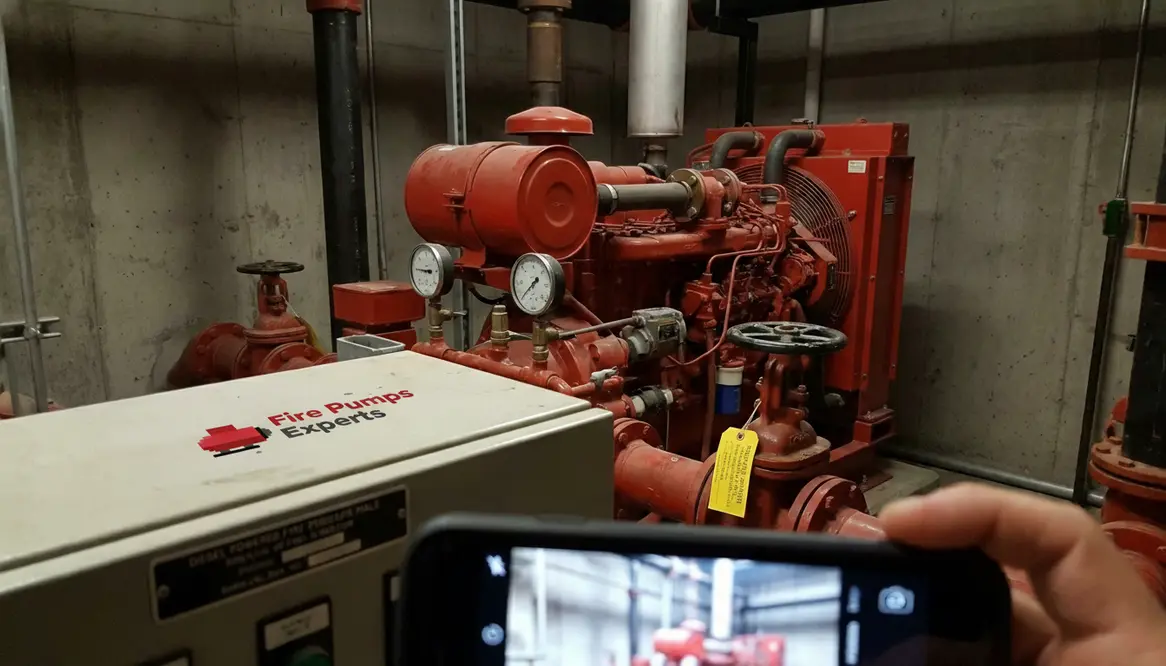
UL FM Fire Pump Approval Guide for Buildings
UL FM Fire Pump Approval Guide for Commercial and Industrial Buildings
When I talk about UL/FM approval, I mean the gold standard for fire pump equipment in commercial and industrial facilities. It tells me a pump has gone through serious testing, not the kind of “looks good to me” review that would make anyone sleep less at night. For major property buildings, this approval matters because fire pumps support sprinkler systems and help keep water moving when pressure drops. In short, I trust UL and FM approval to help separate reliable protection from expensive guesswork.
In this guide, I’ll walk through what the approval means, how it works, and what facility teams should check before buying or replacing a fire pump. I’ll keep it practical, clear, and focused on the real world, where deadlines move fast and nobody wants a surprise from the fire marshal.
What UL and FM approval means for fire pumps
UL stands for Underwriters Laboratories, and FM refers to FM Global. Both groups test fire pumps to see if they perform under tough conditions. As a result, an approved fire pump gives me confidence that the unit can handle demand when a building needs it most.
For commercial and industrial properties, this approval matters because fire protection systems often face high water demand, large floor areas, and critical business risks. Therefore, a fire pump with UL/FM approval can support code goals, insurance needs, and safer operations all at once.
Here’s the simple version: if a fire pump is approved, it has met strict standards for design, performance, and reliability. That does not mean it is magic. However, it does mean the equipment has passed tests that are far more useful than a sales brochure with dramatic lighting.
How I check a fire pump approval before buying
Before I approve a purchase, I look at the nameplate, listing documents, pump curve, and system match. First, I confirm the pump size fits the building’s water demand. Then, I check that the motor or driver, controller, and accessories also meet the needed approval standard. A weak link can spoil the whole setup, and fire protection is not the place for “close enough.”
I also compare the pump to the fire protection design for the property. For example, a warehouse, plant, or high rise may need a different setup than a smaller commercial site. So, I always make sure the pump fits the hazard, the water source, and the pressure needs of the system.
UL/FM fire pump approval checklist for major properties
When I review a project, I use a simple checklist. It helps me keep the process clean and avoids the kind of scramble that turns one small issue into a very long meeting.
Checklist
- Confirm the pump has current UL and FM listing details
- Match pump capacity to the system demand
- Check the driver type, such as electric or diesel
- Review the controller approval and compatibility
- Verify suction and discharge conditions
- Confirm the water supply can support the design
- Look for proper installation space and access for service
- Review local code and insurance requirements
Additionally, I check maintenance needs before final selection. A pump that nobody can service easily becomes a problem later. And in my experience, future headaches are never as charming as they sound.
UL/FM approval vs system performance
Approval alone does not guarantee the system will work as intended. Instead, I treat it as the starting point. A well approved pump still needs proper installation, correct piping, strong power supply, and routine testing. Otherwise, even a top tier unit can struggle.
To make that easier to read, here’s a quick dual column view:
UL/FM approval gives me
- Trusted equipment testing
- Better confidence in quality
- Support for code and insurance review
System design gives me
- Fit for the building’s real needs
- Proper pressure and flow
- Reliable performance during emergency use
So, I never treat approval as the whole story. Instead, I combine it with engineering review, installation quality, and regular inspection. That approach keeps the system ready, which is the whole point. Nobody wants a fire pump that acts like it forgot its lines on opening night.
Fire pump testing and maintenance after approval
Once a pump is installed, I focus on testing and maintenance. Fire pumps need routine checks to confirm they start, run, and deliver the right pressure. For commercial and industrial sites, that matters because operating conditions can change over time. Water supply can shift, equipment can age, and building use can expand.
Therefore, I recommend scheduled testing, record keeping, and quick repair of any issue. In addition, I watch for heat, vibration, leaks, control faults, and wear. Small warning signs often show up before a major failure, and I like catching trouble early. It is cheaper, calmer, and far less dramatic.
Where I use UL/FM approval in commercial fire protection planning
I use UL/FM approval when I plan protection for warehouses, factories, distribution centers, data facilities, and large commercial buildings. These properties often depend on dependable water supply and strong system support. Therefore, approved fire pumps help me build a safer and more defensible protection plan.
For teams that want help with approved fire pump solutions, I suggest reviewing commercial fire pump compliance and system planning resources from trusted industry providers. That step can save time and reduce confusion before the project moves into design or install.
You can explore additional information, design insights, and resources related to UL/FM approval and fire pump selection at https://firepumps.org/, where many of these concepts are expanded into practical tools and reference materials for project teams.
FAQ
Conclusion
If I want dependable fire protection for a commercial or industrial property, I start with UL/FM approval and then build from there. I match the pump to the building, verify the full system, and stay disciplined with testing and maintenance. If you are planning a new installation or upgrading old equipment, now is the time to review your options and choose a fire pump solution that supports safety, compliance, and long term peace of mind.