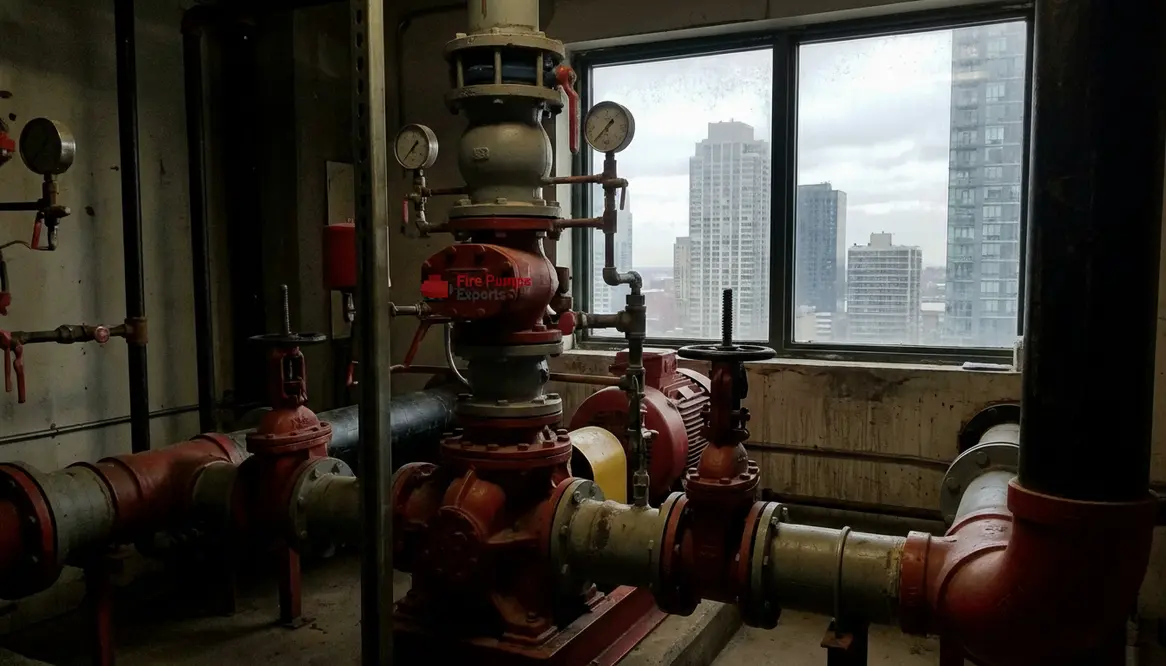
Fire Pump Systems for New Jersey High Rise Buildings
I have spent years walking through towering buildings across New Jersey, listening to the quiet hum of systems most people never notice. Yet, when it comes to hospital school public facility fire pumps, I can tell you this with calm certainty: these systems are the difference between a close call and a catastrophe. In high rise environments, where gravity works against you and time is never on your side, fire pump systems carry the weight of safety on their steel shoulders. And yes, while they are not exactly the superheroes of the Marvel universe, they do save the day more often than Iron Man ever could without breaking a sweat.
Why Fire Pump Systems Matter in New Jersey High Rise Buildings
New Jersey’s skyline continues to grow, and with that growth comes complexity. High rise structures demand strong and consistent water pressure. However, municipal supply alone often cannot meet that demand. That is where fire pump systems step in, boosting water flow to upper floors with precision.
Moreover, local codes and NFPA standards require reliable systems that perform under pressure, both literally and figuratively. I have seen firsthand how well designed systems protect commercial and industrial facilities, especially in densely populated zones. Without them, even the best sprinkler systems would struggle to keep up.
And let’s be honest, no building owner wants to explain to tenants why the 25th floor has the water pressure of a leaky garden hose.
For high rise facilities that depend on hospital school public facility fire pumps or similarly critical systems, consistent pressure is not a luxury; it is the baseline for safety and trust.
How Do Fire Pump Systems Work in Tall Buildings?
I like to think of a fire pump system as the heart of a building’s fire protection plan. It senses when pressure drops and immediately responds by pushing water through the system at the required rate.
Here is the simple version:
Detection: A drop in system pressure signals demand.
Activation: The pump starts automatically.
Delivery: Water moves upward with enough force to reach every floor.
However, in high rise properties, the setup often includes multiple zones. Therefore, each zone maintains proper pressure without overwhelming lower levels. It is a balancing act, and when done right, it is almost poetic. Think of it like conducting an orchestra, except instead of violins, you have pipes and valves doing the heavy lifting.
Designing Systems for Commercial and Industrial Properties
Durability, Compliance, and Performance
When I approach system design for large scale buildings, I focus on durability, compliance, and long term performance. Commercial and industrial properties are not forgiving environments. They require systems that can handle constant demand and still perform flawlessly during emergencies.
Additionally, I account for factors like building height, occupancy type, and hazard classification. For example, a data center will have different needs than a manufacturing facility. Yet both rely on consistent water delivery.
Institutional Versus High Rise Commercial Systems
In many cases, institutional fire pump systems such as those used in hospitals or schools share similar engineering principles. However, high rise commercial structures often demand higher capacity and more advanced controls. Therefore, customization becomes essential.
Whether you are working with hospital school public facility fire pumps or a high rise office tower, the constant theme is this: a one size fits all approach does not work. Every building tells its own story through occupancy, risk profile, and water supply, and the fire pump system must match that story line by line.
Key Components That Keep Everything Running
Pump Unit: The core driver of water flow.
Controller: The brain that manages activation.
Jockey Pump: Maintains pressure during minor fluctuations.
Water Supply: Can be municipal, tank, or combined.
Valves: Control and direct water movement.
Power Source: Electric or diesel driven systems.
Monitoring Systems: Provide real time status updates.
Test Headers: Allow routine performance checks.
Each component plays a role, and when one falters, the entire system feels it. That is why redundancy and regular testing are not optional. They are essential.
If you want a deeper look at design and installation standards that govern these components, resources like the NFPA 20 overview at this fire pump systems guide provide a solid technical backdrop for what you are seeing in the field.
Maintenance and Compliance in New Jersey
Why Routine Maintenance Is Non‑Negotiable
Now, here is where things get serious. New Jersey enforces strict inspection and testing requirements. Therefore, routine maintenance is not just about good practice. It is about staying compliant and avoiding costly penalties.
I always recommend scheduled testing that includes flow tests, controller checks, and full system evaluations. Additionally, keeping detailed records ensures you are ready for inspections at any time.
Facilities that rely on hospital school public facility fire pumps often follow similar maintenance routines. However, high rise commercial properties must account for scale and complexity. That means more frequent checks and a sharper eye for potential issues.
The Real Cost of Cutting Corners
Skipping maintenance might save money today, but it is a gamble that rarely pays off. And unlike Vegas, the house does not lose. Under maintained systems tend to fail at the exact moment you need them most, which is a terrible time to discover that the controller battery, driver, or jockey pump has been trying to warn you for months.
Common Challenges in High Rise Fire Pump Systems
Pressure, Zoning, and Aging Infrastructure
Even the best systems face challenges. For instance, pressure inconsistencies can occur if zoning is not properly configured. Additionally, aging infrastructure can lead to unexpected failures.
Another issue I often encounter is improper installation. A system that looks good on paper can fail in practice if not installed correctly. Therefore, working with experienced professionals makes a significant difference.
Smart Integration and Modern Monitoring
Finally, integration with modern building systems can be tricky. However, when done right, it allows for better monitoring and faster response times. In a way, it turns your building into something that feels almost alive, constantly watching and ready to act.
When you are coordinating high rise systems, hospital school public facility fire pumps, and other critical infrastructure on a shared platform, visibility is everything. Dashboards, alerts, and trend data give you a real time window into how quietly or not so quietly your protection systems are performing.
FAQ: Fire Pump Systems for High Rise Buildings
Conclusion
When I look at a high rise building, I do not just see steel and glass. I see a system working quietly to protect every person inside. Fire pump systems are not optional luxuries. They are essential safeguards.
If you manage or own a commercial or industrial property in New Jersey, now is the time to ensure your system is designed, installed, and maintained to perform without hesitation. That applies just as much to high rise offices as it does to hospital school public facility fire pumps that protect vulnerable occupants who may not be able to evacuate quickly.
Reach out today and make sure your building stands ready when it matters most. A well designed, code compliant, and diligently maintained fire pump system is one of the few investments you hope never has to prove its worth, even as it quietly protects everything that makes your building come alive.