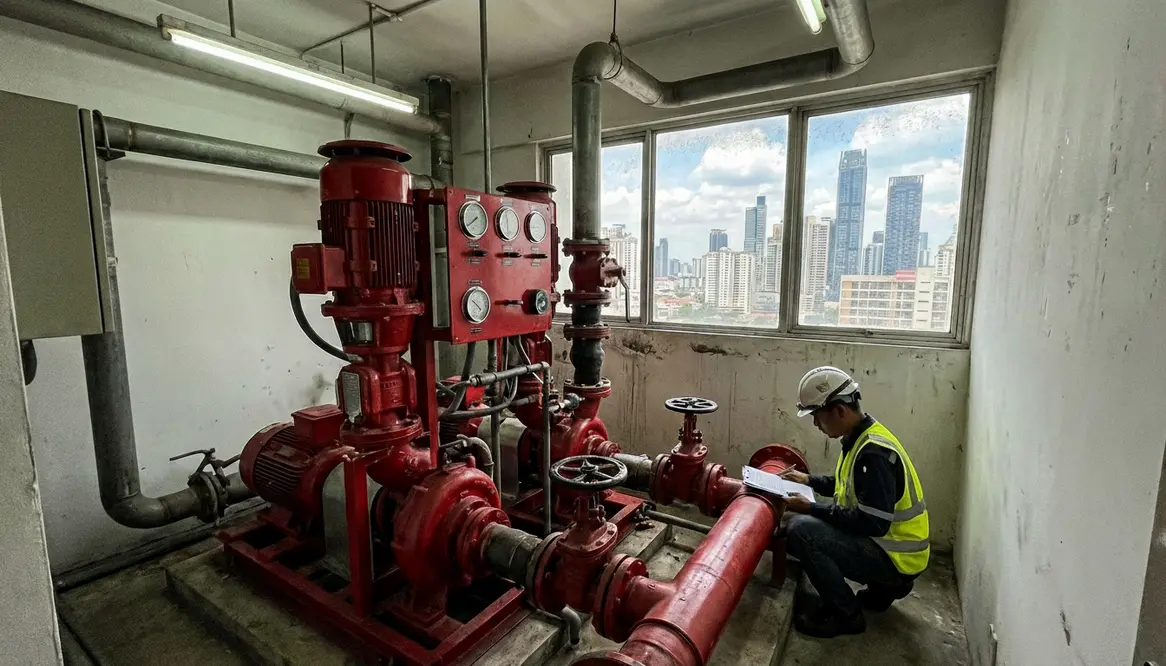
New Jersey Fire Pump Systems for High Rise Safety
Why reliable fire pumps matter when your building stretches into the clouds.
I have spent years around fire protection systems, and if there is one thing I never take lightly, it is how critical hospital school public facility fire pumps are to keeping people safe in New Jersey’s towering buildings. In a state where high rise structures stretch into the skyline like they are trying to outdo each other, reliable fire pump systems are not just helpful, they are essential. And yes, while they may not get the same spotlight as a superhero in a Marvel movie, when things go wrong, these systems absolutely save the day.
How Fire Pump Systems Power High Rise Safety in New Jersey
Let me say it plainly. Gravity alone will not get water to the top of a 30 story building. That is where fire pump systems step in, quietly doing the heavy lifting.
In high rise buildings, I rely on fire pumps to boost water pressure so sprinklers and standpipes perform exactly when needed. Without that boost, upper floors become vulnerable zones. And in New Jersey, where building codes are strict and expectations are higher, these systems must meet rigorous standards.
Moreover, I often see how local regulations shape system design. From NFPA compliance to state specific requirements, everything must align. As a result, every pump system I work with is engineered not just for performance, but for reliability under pressure. Literally.
What Makes a Fire Pump System Reliable in Commercial Towers?
When I evaluate a system, I look beyond the shiny equipment. Reliability comes down to a few key factors that work together like a well rehearsed orchestra.
Core components I focus on include
- Driver type whether electric or diesel, each has its role depending on the building setup
- Controller systems these act as the brain, ensuring the pump activates at the right time
- Water supply integrity because even the best pump cannot move water that is not there
- Regular testing because a system that is not tested is a system you cannot trust
Additionally, I always stress redundancy. Because if one component fails, another must step in. Think of it like having a backup singer who can suddenly take the lead without missing a note.
Designing Systems for High Rise Buildings in New Jersey
Design is where things get interesting. And yes, sometimes complicated enough to make you feel like you are solving a puzzle designed by a very serious engineer with no sense of humor.
However, I approach each project with a clear goal. The system must deliver consistent pressure across every floor, no matter how high the building climbs.
Therefore, I consider factors such as building height, zoning requirements, and water demand. In many cases, I divide systems into pressure zones to maintain control and efficiency. This ensures that lower floors are not overwhelmed while upper floors receive enough flow.
Meanwhile, I also coordinate closely with other building systems. Fire pumps do not operate in isolation. They must integrate seamlessly with alarms, sprinklers, and emergency power systems.