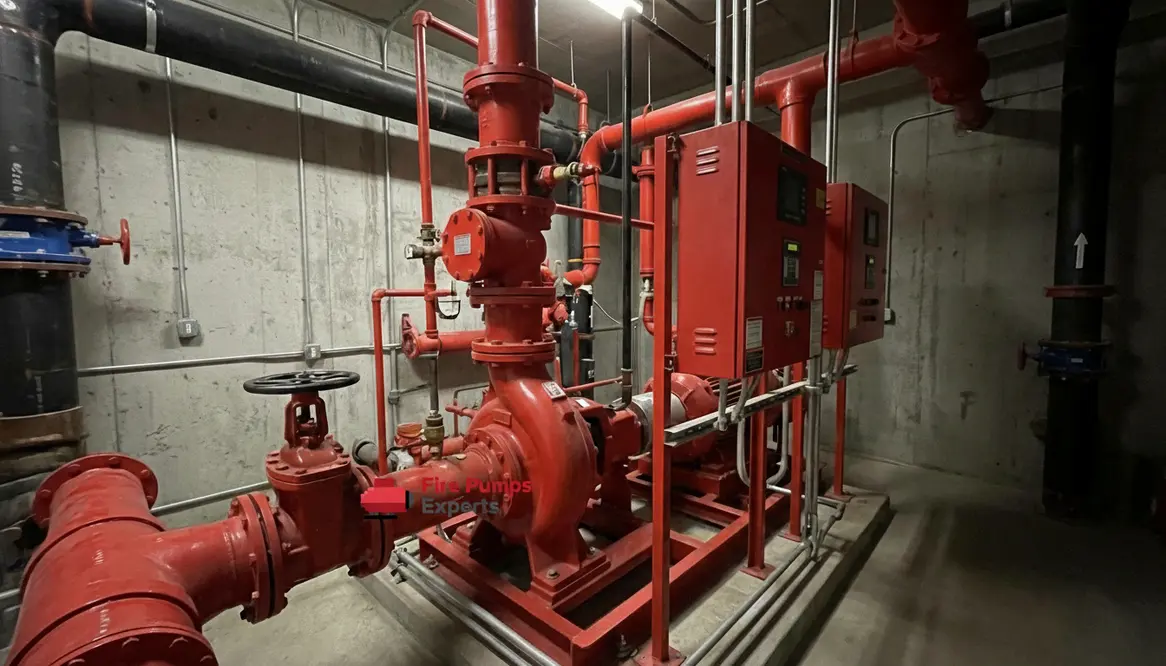
Commercial Developer Fire Pumps for Office Buildings
From the tall lobby to the mechanical room humming behind the scenes, commercial developer fire pumps quietly decide whether an office emergency turns into a story or a headline.
I have spent years walking through tall lobbies and humming mechanical rooms, and one truth always echoes louder than a fire alarm at 2 a.m. preparation matters. When it comes to commercial developer fire pumps, office buildings are not just buying equipment, they are buying time, safety, and a bit of peace of mind that lets everyone sleep at night. So let me walk you through what really matters, without the dry textbook tone that could put a coffee to sleep.
Behind every polished lobby and glass facade, there is a network of piping, valves, sensors, and pumps waiting for the one moment when everything else has gone wrong. The better that network is designed, installed, and maintained, the less dramatic that moment becomes.
For developers, owners, and facility teams, understanding how commercial developer fire pumps fit into this bigger picture is not just a code requirement, it is a long term risk and reputation decision.
What Makes Fire Pump Systems So Critical in Office Buildings
At its core, a fire pump system exists to do one job, and it does not believe in excuses. It boosts water pressure when your building needs it most. However, office towers are not simple spaces. They rise high, stretch wide, and host hundreds or thousands of people daily. Because of this, gravity alone is not enough to push water where it needs to go.
Therefore, a well designed system ensures that sprinklers perform like trained professionals instead of confused interns. In many cases, without a pump, upper floors would receive little to no pressure. And that is not a situation anyone wants to explain to a fire marshal.
Where commercial developer fire pumps earn their keep
In mid rise and high rise office buildings, you are asking water to fight physics. Every additional floor adds distance and friction. Fire pumps take the modest pressure from a city main or on site water source and turn it into a reliable, code compliant firefighting ally on every level, from the ground floor café to the top floor boardroom.
Risk, occupancy, and height
Modern offices mix open plans, dense seating, storage areas, server rooms, and parking structures. That blend of occupancies and fuel loads demands consistent water pressure, especially where evacuation routes and stairwells converge. Fire pumps tie all of that together so your sprinklers and standpipes do not become decorative plumbing.
Liability and continuity
From an insurance, leasing, and brand reputation standpoint, reliable commercial developer fire pumps are a quiet form of risk management. Tenants expect resilience. Regulators expect compliance. Investors expect continuity. A failed fire pump can interrupt all three in a single afternoon.
How Do Commercial Developer Fire Pumps Actually Work in High Rise Settings
I like to think of these pumps as the quiet bodyguards of a building. They stand by, doing nothing until everything goes wrong. Then suddenly, they are the fastest responders in the room.
When a fire system activates, the pump senses a drop in pressure. Immediately, it starts pulling water from a reliable source and pushes it through the system at a much higher pressure. As a result, sprinklers and standpipes deliver water exactly where it is needed.
Meanwhile, modern systems include controllers that monitor performance constantly. So, even when no one is watching, the system is checking itself. It is a bit like having a security guard who never blinks, which is more than I can say for most of us after lunch.
From city main to top floor: the pressure story
In many offices, water enters from a municipal main or on site tank that provides adequate volume but not enough pressure for the full height of the building. Commercial developer fire pumps sit in that path, listening for a pressure drop caused by sprinklers opening or a hose valve being used. Once they detect that drop, they spin up, boost the pressure, and maintain it long enough for firefighters and suppression systems to do their jobs.
Controls, sequencing, and fail safes
Controllers and sensors provide status, alarms, and automated starting so a person does not need to be standing next to the pump when an event begins. In properly configured systems, you will see clear indication of power loss, phase reversal, overspeed, or failure to start, which gives maintenance teams something to fix before it becomes a headline.
That “always ready” posture is what makes commercial developer fire pumps essential: they stay quiet in the background until the worst day in the building’s life, then they take center stage without asking permission.
Key Components You Should Never Overlook
Now, let us break this down into what actually makes the system tick. Because while the pump gets all the glory, it does not work alone.
Core Equipment
- Pump unit that drives water pressure
- Controller that manages operation
- Driver such as electric motor or diesel engine
- Relief valves to prevent overpressure
Support Systems
- Water supply connections and storage
- Test headers for inspections
- Backup power sources
- Monitoring and alarm interfaces
Each part plays a role, and if one fails, the whole system feels it. Therefore, smart building operators treat every component like it matters, because it does.
If you want to see how a full service provider approaches design, installation, and ongoing testing of fire pumps alongside sprinklers and alarms, a good reference point is the fire pump services overview from Kord Fire Protection at https://kordfire.com/full-fire-protection-services/.
Installation Choices That Can Make or Break Performance
I have seen beautifully designed buildings brought down a notch by poor installation choices. It happens more often than you would think. So, placement and planning matter just as much as the equipment itself.
First, the pump room must be accessible, protected, and properly ventilated. Otherwise, maintenance becomes a headache, and in an emergency, delays can creep in. Additionally, suction and discharge piping must be sized correctly. If not, you end up with pressure losses that defeat the whole purpose.
Equally important, redundancy should not be treated like a luxury. In commercial and industrial properties, backup systems are often the difference between control and chaos. Think of it as having a spare parachute. You hope you never need it, but you would not jump without it.
Design coordination with the rest of the building
Fire pump layout intersects with structural design, architectural planning, and mechanical, electrical, and plumbing decisions. Clearances around equipment, drainage for test water, routing of power feeds, and noise and vibration control all matter. Coordinating those early keeps your future self from staring at a cramped pump room wondering who thought this was a good idea.
Maintenance Practices That Keep Systems Ready
Now here is where many buildings slip. They install a great system, then forget about it until inspection day. That approach is a bit like only going to the gym the day before a marathon. It shows.
A practical testing rhythm
Regular testing ensures that pumps start instantly and deliver the right pressure. Weekly churn tests, monthly inspections, and annual flow tests all play a role. Moreover, keeping records is not just paperwork. It tells a story about system health over time.
In addition, trained personnel should oversee maintenance. Because while a pump might look simple, it has layers of complexity. And guessing your way through it is not a strategy I would recommend.
Why developers should care long after turnover
Even after construction turnover, the performance of commercial developer fire pumps will be associated with the project’s name. Consistent maintenance and testing reduce the risk of ugly failure stories tied back to the original design and development team. In other words, maintenance is not just an operations problem, it is part of the project’s long term legacy.
Common Mistakes Office Buildings Make
Even well managed properties fall into a few predictable traps. Let me call them out, gently but clearly.
- Ignoring small pressure inconsistencies until they grow
- Skipping scheduled testing due to tenant disruptions
- Underestimating the need for system upgrades
- Relying on outdated controls that lack monitoring
However, the good news is that each of these issues is preventable. With proper planning and attention, buildings can avoid costly surprises. And frankly, surprises belong at birthday parties, not in fire protection systems.
Turning mistakes into upgrade opportunities
Whenever testing reveals slow starts, inconsistent pressure, or nuisance alarms, that is the building gently clearing its throat and saying, “Please fix this before it is urgent.” Upgrading controllers, improving monitoring, or modernizing pump assemblies may not be glamorous line items, but they are far cheaper than explaining to regulators, tenants, and insurers why things did not work when it mattered.
FAQ About Fire Pump Systems in Office Buildings
Office teams ask a lot of the same questions when they first get serious about their fire pump strategy. Here are a few of the most common ones.
Conclusion
When I look at office buildings, I see more than steel and glass. I see systems working quietly behind the scenes, and commercial developer fire pumps sit right at the heart of that effort. If you want reliability, safety, and fewer unpleasant surprises, it starts with smart choices and steady maintenance. Take a closer look at your system, ask the right questions, and invest where it counts. Because in this line of work, readiness is everything.
In the end, commercial developer fire pumps are not just another line item in a construction budget. They are a promise that when alarms ring and sprinklers open, your building will respond with something stronger than hope: pressure, flow, and a system that does exactly what it was built to do.