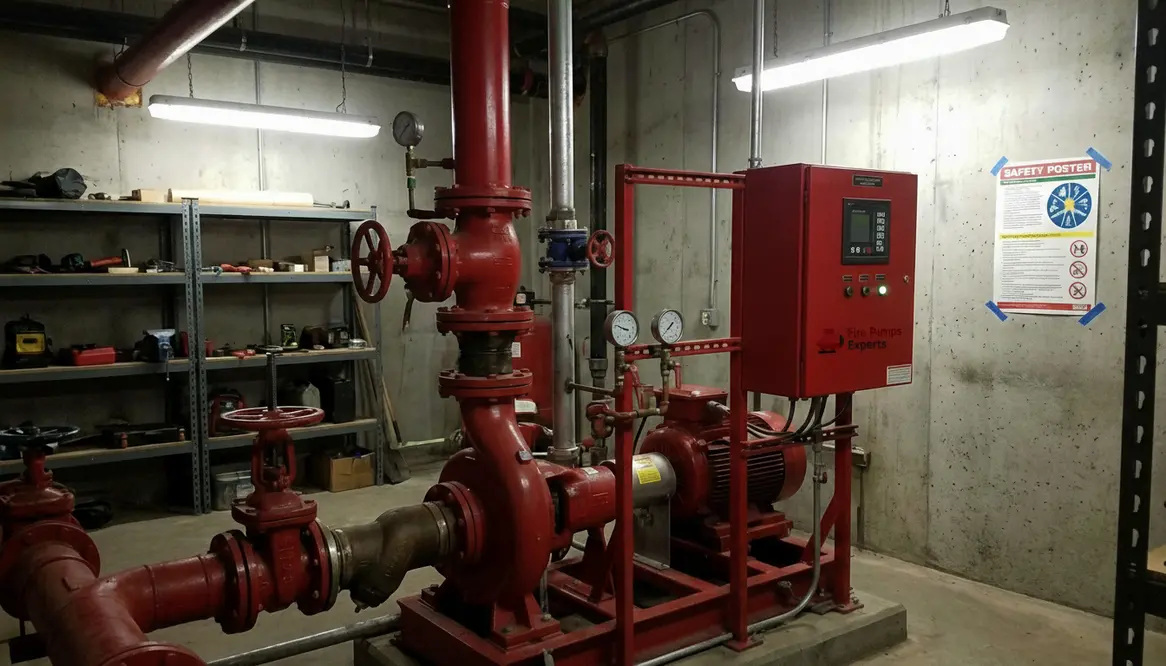
Fire Pumps in Municipal and Industrial Fire Protection
I have spent years around large facilities where risk does not politely knock before entering. It storms in. And when it comes to fire, the difference between chaos and control often rests on a single, powerful system working quietly in the background. In the world of municipal building fire protection, fire pumps are not just equipment. They are the heartbeat of a system designed to respond when everything else fails. Today, I want to walk you through how these machines support industrial fire protection, and yes, I will try to keep it more engaging than watching paint dry in a warehouse.
What Does a Fire Pump Actually Do in Industrial Fire Protection?
Let me answer this straight away. A fire pump boosts water pressure so sprinkler systems and standpipes can perform at full strength. Without it, even the most advanced system becomes about as useful as a garden hose against a five alarm fire.
In industrial buildings, water supply is not always consistent or strong enough. Therefore, the pump steps in and ensures water reaches every corner, every level, and every critical zone. Moreover, it activates automatically when pressure drops, which means no one needs to fumble with controls while alarms are blaring.
Think of it like the unsung hero in an action movie. Not the one delivering punchlines, but the one keeping the whole operation alive.
Why Industrial Facilities Depend on Fire Pumps
Industrial environments are complex. They house heavy machinery, hazardous materials, and large open spaces. Because of this, fire spreads faster and burns hotter. Consequently, standard water pressure simply cannot keep up.
Fire pumps provide the muscle behind suppression systems. In addition, they ensure compliance with safety codes tied closely to municipal fire safety infrastructure. Without them, facilities risk both operational shutdown and serious liability.
I have seen facilities try to cut corners here. It never ends well. Fire does not negotiate, and it certainly does not care about budget constraints.
Key Components That Keep Fire Pumps Running Smoothly
Now, let us look under the hood. A fire pump system is more than just a pump. It is a coordinated setup designed for reliability.
Core Components
- Pump unit that moves water
- Driver such as electric motor or diesel engine
- Controller that manages activation
- Jockey pump to maintain pressure
Support Elements
- Water supply connection
- Valves for flow control
- Pressure gauges for monitoring
- Backup power for reliability
Each part plays a role. For instance, the jockey pump keeps the system primed, preventing unnecessary starts. Meanwhile, the controller acts like a calm conductor, ensuring everything works in harmony even when alarms are screaming.
How Fire Pumps Strengthen Large Scale Fire Protection Systems
Fire pumps do more than push water. They extend the reach and effectiveness of entire systems. As a result, sprinklers activate with enough force to suppress flames quickly, reducing damage and downtime.
In large industrial buildings, distance is the enemy. However, with proper pump sizing and design, water pressure remains consistent from the first pipe to the farthest sprinkler head. This consistency is essential for maintaining standards aligned with municipal building fire protection expectations.
And let me be clear. A system that works halfway is not a system. It is a liability dressed up as safety equipment.
Common Mistakes That Undermine Fire Pump Performance
I wish I could say every installation is flawless. It is not. In fact, I have seen mistakes that would make a fire inspector sigh deeply.
- First, improper sizing leads to either weak pressure or excessive strain.
- Next, poor maintenance turns reliable systems into ticking time bombs.
- Additionally, ignoring regular testing means problems stay hidden until it is too late.
There is also the classic mistake of treating fire pumps as optional upgrades. That is like skipping brakes on a truck because you trust your driving skills. Bold move. Not a smart one.
How Regular Testing Keeps Systems Ready
Consistency is everything. Fire pumps require routine testing to ensure they perform under real conditions. Therefore, weekly or monthly checks are not just recommendations. They are essential.
During testing, technicians monitor pressure levels, flow rates, and response times. Moreover, they identify wear before it becomes failure. This proactive approach supports broader city level fire protection systems and keeps facilities aligned with compliance standards.
And yes, testing may feel repetitive. However, so is brushing your teeth, and we all understand how that turns out when ignored.
FAQ About Fire Pumps in Industrial Buildings
Final Thoughts and Next Steps
Fire pumps are not flashy, but they are essential. They support the systems that protect lives, assets, and operations. If your facility depends on performance under pressure, then investing in the right fire pump system is non negotiable. Take action now. Evaluate your setup, schedule testing, and ensure your protection measures meet the demands of modern industrial environments. Because when fire shows up, preparation is the only thing that stands between control and catastrophe.
In many cities, municipal building fire protection strategies assume that on-site pumps will perform as designed. When they do not, response times feel longer, crews work harder, and outcomes get worse. Treat your pump room as critical infrastructure, not a forgotten corner of the mechanical space.
Whether you manage a high-rise city hall, an industrial plant, or a sprawling logistics hub, make sure your team understands how the fire pump ties your internal systems to the wider municipal building fire protection network that surrounds you. When those pieces work together, the odds tilt sharply in your favor.