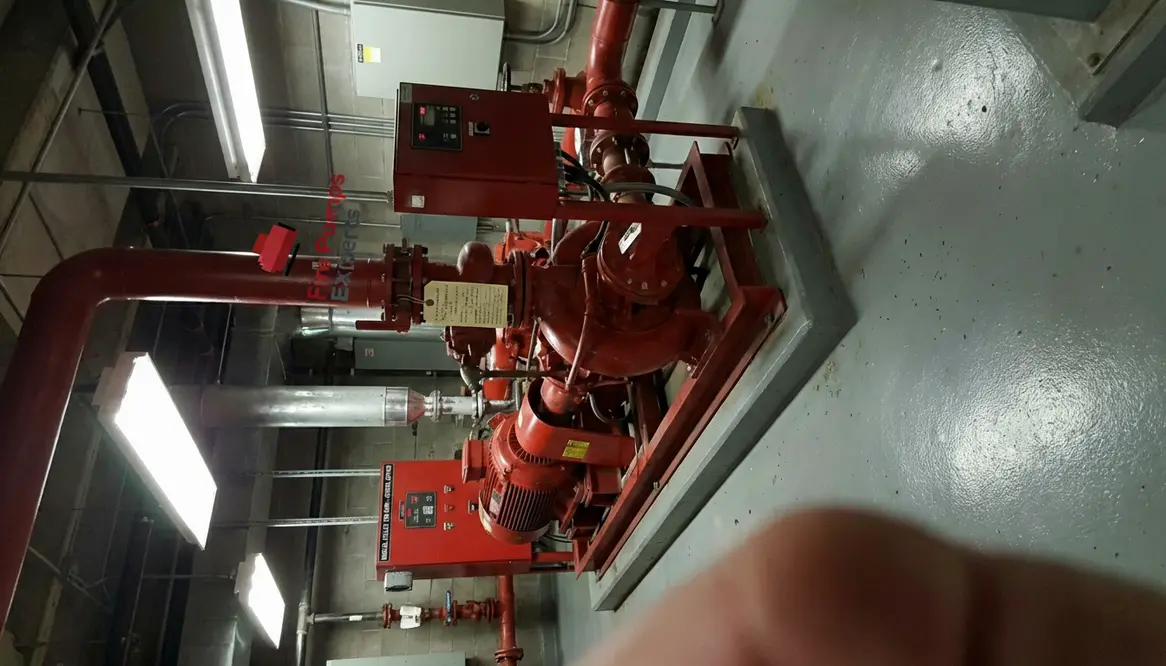
Medical Facility Fire Pumps for Commercial Builds
I have spent years walking through large commercial builds where every detail matters, yet nothing commands quiet respect quite like medical facility fire pumps. They sit there, unassuming, like the bass player in a jazz band. You may not notice them at first, but when things go sideways, they carry the whole performance. For commercial developers, understanding how these systems work is not just about compliance. It is about protecting investments, people, and reputations. And trust me, insurance companies do not hand out forgiveness like Oprah hands out cars.
What Commercial Developers Should Know About Fire Pumps in Large Facilities
Let me put it plainly. Fire pumps are the backbone of any serious fire protection system. They ensure water reaches the upper floors of a high rise or the far ends of a sprawling industrial site with enough pressure to actually do something useful.
Now, while gravity works fine for a garden hose, it does not exactly shine when you are dealing with a twenty story office building or a hospital wing packed with critical equipment. That is where these systems step in. They boost water pressure, ensuring sprinklers and standpipes perform when seconds matter.
Additionally, developers need to plan early. Fire pumps are not a last minute add on. They affect building layout, electrical planning, and water supply infrastructure. If you treat them like an afterthought, your project timeline will remind you why that was a bad idea.
How Do Fire Pumps Actually Work in Commercial Buildings
At their core, fire pumps take water from a reliable source and increase its pressure. Sounds simple, right? Well, so does making a good cup of coffee, yet somehow people still mess that up daily.
Typically, the system includes a pump, a driver which can be electric or diesel, and a controller that tells everything when to wake up and get moving. Once a drop in pressure is detected, the pump activates automatically. No hesitation. No committee meeting required.
Moreover, in large scale developments, redundancy matters. You will often see backup pumps or alternative power sources. Because when the main system fails during an emergency, you do not get a second chance. You get headlines.
Key Planning Factors for Medical Facility Fire Pumps
When I walk into a healthcare construction project, I notice a shift in expectations. Medical facility fire pumps demand a higher level of reliability. Lives are not just present. They are often dependent on continuous care.
Therefore, developers must account for uninterrupted power supply, strict testing protocols, and advanced monitoring systems. Hospitals cannot afford downtime, and neither can their fire protection systems.
In addition, placement matters more than you might think. These pumps need protection from flooding, easy access for maintenance, and compliance with strict codes. It is a balancing act between engineering and practicality.
And yes, inspections are frequent. If you are not a fan of paperwork, this part might feel like a sequel that never ends. But it ensures everything works when it truly counts.
Choosing the Right Fire Pump System for Commercial Projects
Electric Pumps
These are efficient and easier to maintain. However, they rely on a stable power supply, which can be a concern during outages.
Diesel Pumps
These operate independently of the electrical grid. They are reliable but require fuel storage and more maintenance.
Horizontal Split Case
Ideal for high capacity needs in large commercial properties. They offer durability and efficiency.
Vertical Turbine
Used when water sources are below ground level. Common in industrial facilities with unique site conditions.
Ultimately, the right choice depends on your building size, water supply, and risk profile. A cookie cutter approach does not work here. Each project has its own personality, and sometimes that personality is complicated.
Compliance, Codes, and Why They Are Not Optional
I know, regulations are not exactly thrilling. They do not come with a soundtrack or a dramatic plot twist. But they are non negotiable.
Organizations like NFPA set strict standards for installation, testing, and maintenance. Ignoring them is not just risky. It is expensive. Fines, delays, and redesigns can stack up faster than a streaming service watchlist.
Furthermore, local authorities often add their own requirements. So, what works in one city may not pass inspection in another. Staying informed and working with experienced professionals keeps your project moving forward instead of sideways.
Maintenance and Lifecycle Thinking for Long Term Value
Here is where many developers slip. They build a great system and then forget about it. Fire pumps are not decorative features. They need regular testing, inspections, and occasional upgrades.
Over time, wear and tear can reduce efficiency. Components age. Technology evolves. Therefore, planning for maintenance from day one protects your investment and ensures compliance remains intact.
Also, smart monitoring systems are becoming more common. They provide real time data and alerts, helping facility managers act before small issues become major problems. Think of it as giving your building a voice that says, “Hey, something is off,” before it starts shouting.
FAQ About Fire Pumps in Commercial Developments
Final Thoughts and Your Next Move
If you are developing a commercial or industrial property, fire pumps are not just another line item. They are a critical system that protects everything you are building. Take the time to plan, choose wisely, and maintain consistently. When done right, they quietly do their job without applause. And that is exactly what you want. If you are ready to get it right the first time, partner with experts who live and breathe this work every day.