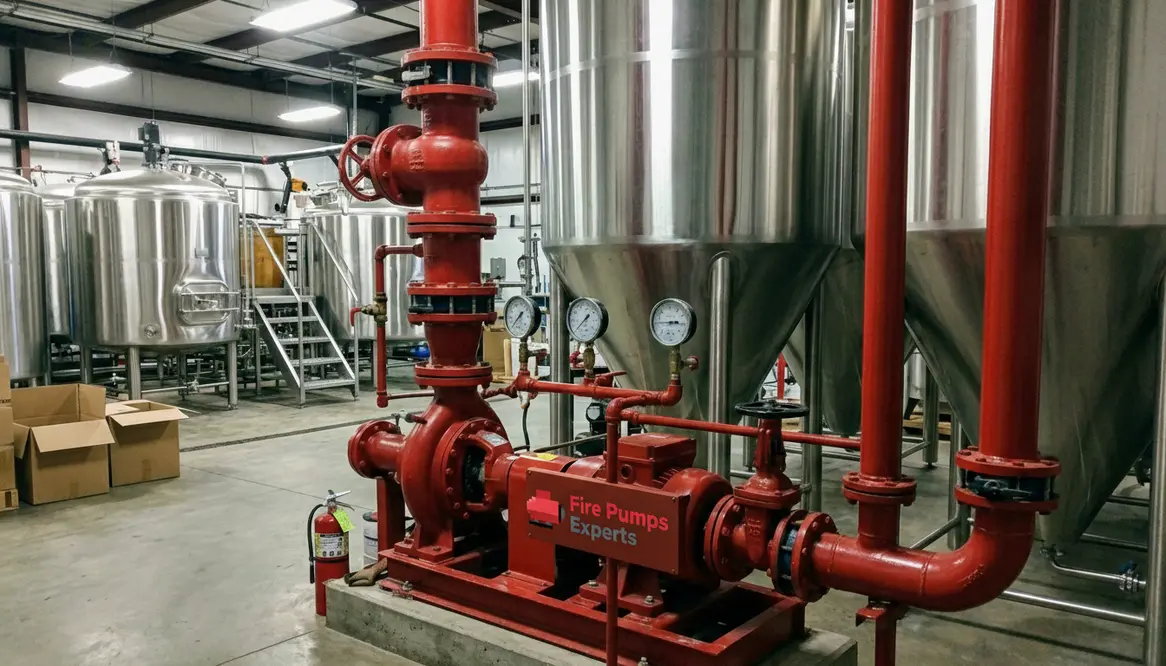
Fire Pump Design for Breweries and Storage Safety
I have spent years walking through brewery floors where the scent of hops hangs thick in the air and stainless steel gleams like a well rehearsed orchestra. Yet behind that beauty sits a serious responsibility. Fire risk in these facilities is real. That is where Fire pump design for beverage and storage operations steps in, not as a background player, but as the quiet hero. Within the first moments of a fire event, the system decides whether things stay contained or turn into a headline nobody wants to read. So yes, while brewing may feel like art, protection is pure engineering discipline.
Why brewery facilities demand specialized fire pump systems
Breweries are not your average commercial buildings. They combine flammable liquids, electrical systems, confined storage, and high value equipment. Because of that, I approach each facility knowing a generic solution will not cut it. Instead, I design systems that anticipate how fire behaves in fermentation areas, packaging lines, and storage zones.
Additionally, alcohol vapor and pressurized systems introduce risks that change how water needs to be delivered. While water might seem simple, timing and pressure are everything. If the system hesitates, even briefly, the consequences can escalate fast. Think of it like a drummer in a band. If they miss the beat, everything falls apart. And in this case, the stakes are much higher than a missed encore.
Unique hazards hidden behind stainless steel and glass
Those polished fermentation tanks and tidy rows of kegs can hide combustible packaging, concentrated cleaning chemicals, and energized equipment. Fire pump design for beverage and storage operations must read the full script of the facility, not just the polished front of house narrative. That means planning for abnormal conditions, maintenance activities, and those “just for a day” storage decisions that somehow become permanent.
How do I design fire pump systems for brewery storage and production areas?
Reading the building like a map of risk
I start by evaluating hazard classifications across the facility. Brewing zones, cold storage, and barrel aging rooms all behave differently under fire conditions. Therefore, I tailor pump capacity and pressure requirements to match those specific risks.
Securing water supply before the first drop is pumped
Next, I consider water supply reliability. Municipal sources may fluctuate, so I often integrate backup tanks or redundant pumping systems. This ensures consistent performance even during peak demand or emergencies. After all, the system cannot afford stage fright when it matters most.
Marrying pumps with sprinklers and standpipes
Then I align the system with suppression components such as sprinklers and standpipes. The pump must deliver water at the exact pressure those systems require. Otherwise, it is like handing someone a garden hose when they need a fire hose. Close, but not helpful.
Key components that make brewery fire pump systems effective
Every strong system relies on a few core elements working in harmony. I treat these components like members of a well balanced cast, each with a defined role.
Core elements include:
- Fire pumps that deliver consistent pressure across large industrial layouts
- Controllers that automate response and monitor system health
- Water storage solutions that support uninterrupted supply
- Backflow prevention to protect potable water systems
- Testing connections to ensure compliance and performance validation
Designing with tomorrow’s brewhouse in mind
Moreover, I always factor in future expansion. Breweries grow. Tanks multiply. Production scales. A system that cannot adapt quickly becomes outdated. Fire pump design for beverage and storage operations works best when it treats the current layout as a snapshot, not the final cut. Planning ahead saves both time and cost later.
Fire pump design for beverage and storage operations in high density storage zones
When stored product quietly becomes your largest fuel package
Storage areas present a unique challenge. Palletized goods, packaging materials, and finished products create dense fuel loads. Because of this, I increase both flow rate and pressure requirements to ensure deep penetration during suppression.
At the same time, ceiling heights and rack configurations influence sprinkler performance. Therefore, the pump must support those systems without delay. It is not just about pushing water. It is about delivering it with precision.
And yes, I have seen facilities try to cut corners here. It rarely ends well. Fire does not negotiate, and it certainly does not respect budget shortcuts.
Production areas
- Moderate hazard levels
- Focus on equipment protection
- Balanced pressure requirements
- Frequent system cycling
Storage zones
- High density fuel loads
- Higher flow demands
- Extended suppression duration
- Greater reliance on pump consistency
Balancing product quality with life safety
High density storage is often where the business value is stacked tallest. Fire pump design for beverage and storage operations must protect that investment while respecting temperature control, access needs, and product handling workflows. The trick is achieving robust suppression capability without turning every movement of a pallet into a game of “don’t touch the sprinkler.”
Compliance, testing, and long term reliability
Design is only the beginning. I ensure every system meets NFPA standards and local regulations. However, compliance is not a one time event. It is an ongoing commitment.
Routine testing verifies that pumps start instantly and maintain required pressure. Additionally, inspections catch wear before it becomes failure. I often tell clients that ignoring maintenance is like skipping oil changes in a high performance car. It might run fine for a while, but eventually, something expensive breaks.
Furthermore, documentation plays a critical role. Clear records support audits, insurance requirements, and operational transparency. In large commercial and industrial facilities, that level of clarity is not optional. It is expected.
Turning regulations into a reliable rhythm
Done well, compliance, testing, and inspection schedules become part of the facility’s routine, not a last minute scramble before an audit. Fire pump design for beverage and storage operations works best when operational teams know exactly what “good performance” looks like and have the records to prove it.
Smart integration with modern brewery infrastructure
Today’s breweries rely on automation, and fire protection systems are no exception. I integrate pump controls with building management systems to provide real time monitoring and alerts. As a result, facility managers gain visibility into performance and potential issues.
Also, remote diagnostics allow quicker response to anomalies. Instead of waiting for a failure, teams can act proactively. It is a bit like having a security guard who never sleeps and never misses a detail. And unlike most of us, it does not need coffee to stay alert.
Bringing fire protection into the data conversation
When alarms, pump status, and flow test results are visible alongside process and utilities data, fire protection stops being a black box. Fire pump design for beverage and storage operations gains another edge when decision makers can see trends, spot anomalies, and plan upgrades with actual performance data instead of guesswork.
FAQ about fire pump systems in brewery facilities
Closing thoughts and next steps
When I design fire protection for breweries, I am not just checking boxes. I am building systems that protect people, assets, and operations. If you are planning a new facility or upgrading an existing one, now is the time to act. A well designed system brings confidence and continuity. Reach out, and let us make sure your operation stays safe, compliant, and ready for whatever comes next.