Fire Pump Requirements for Small Healthcare Clinics
Smaller Healthcare Occupancies Still Need Compliance
I have seen it time and time again. A compact outpatient clinic, a specialty lab, or a modest surgical suite assumes it flies under the radar. It feels too small to attract scrutiny. However, codes do not measure square footage with sympathy. They measure risk. That is exactly where Fire Pump Requirements for Specialty Clinics step in, quietly but firmly, within the first pages of compliance conversations. Even smaller healthcare occupancies carry real stakes, and yes, even a single overlooked system can turn a calm hallway into a headline no one wants.
So let us walk through this together. Not in a rush. Not in panic. Just clear, steady understanding with a touch of perspective.
Why Smaller Healthcare Facilities Still Face Big Compliance Expectations
First, regulators do not scale safety expectations based on convenience. They scale them based on life safety risk. A single patient under sedation in a specialty clinic carries just as much vulnerability as one in a major hospital. Therefore, compliance frameworks apply with precision, not leniency.
Additionally, smaller facilities often operate with tighter layouts. That means fire spread can move faster, and evacuation paths can be more limited. Because of that, systems like fire pumps, alarms, and suppression must perform without hesitation. There is no room for a “we will get to it next quarter” mindset.
And yes, I know. It feels like overkill. Like bringing a superhero team to handle a paper cut. But when the stakes involve oxygen lines, electrical equipment, and human lives, I would rather have too much protection than a regret that lingers longer than a rerun of The Office.
Fire Pump Requirements for Specialty Clinics Explained Simply
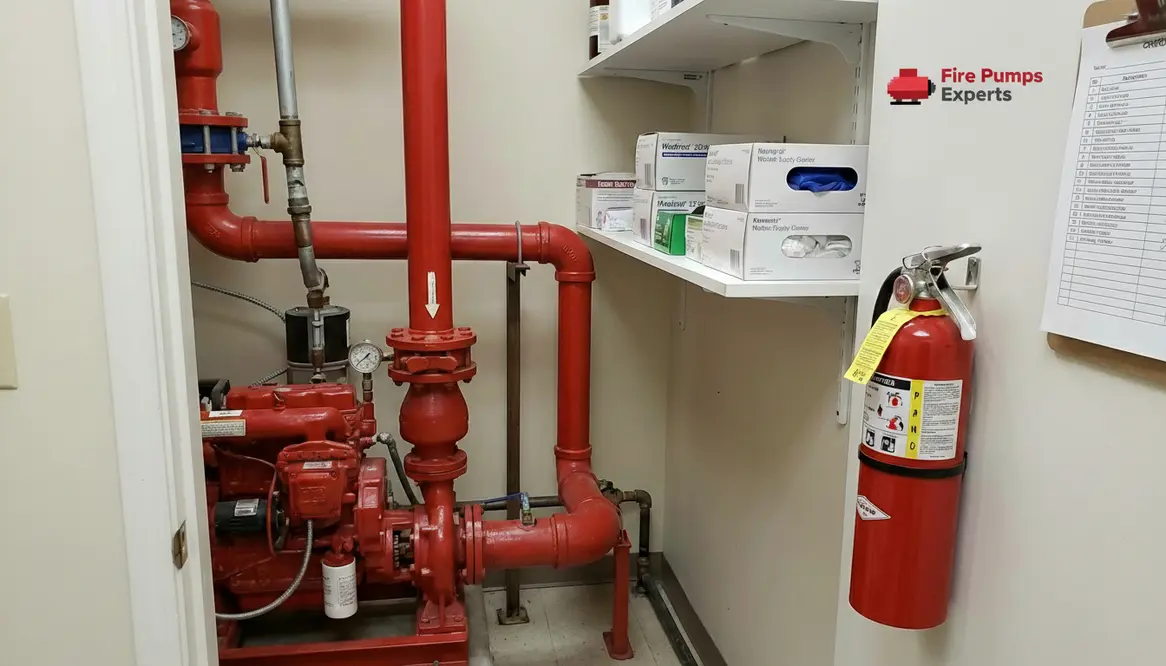
Let me simplify this. When water pressure from the municipal supply cannot meet demand, a fire pump becomes the backbone of your suppression system. It ensures sprinklers and standpipes deliver consistent flow when it matters most.
Now, for specialty clinics, the requirements hinge on building size, hazard classification, and system demand. However, compliance does not mean installing the biggest pump on the market and calling it a day. It means engineering a system that meets calculated demand, integrates with alarms, and performs under real conditions.
Moreover, inspections and testing are not optional add ons. They are part of the system’s life cycle. A fire pump that has not been tested might as well be a prop in a movie. Looks impressive. Does nothing when the scene turns serious.
Straight Questions About Compliance, Straight Answers
Do small clinics need fire pumps?
Sometimes. If water supply cannot meet system demand, then yes, a fire pump becomes necessary.
Who enforces these requirements?
Local authorities having jurisdiction, often guided by NFPA standards and building codes.
Can I delay upgrades?
Not without risk. Delays can lead to violations, fines, or worse, operational shutdowns.
In other words, compliance is not a suggestion box. It is more like a checklist that someone will absolutely review.
Common Missteps
- Assuming size reduces responsibility
- Skipping routine pump testing
- Using outdated hydraulic calculations
- Overlooking integration with alarm systems
Smart Moves
- Conducting annual system reviews
- Aligning with current NFPA standards
- Partnering with commercial specialists
- Documenting every inspection and test
How Compliance Impacts Operations and Liability
Let us talk consequences, because they tend to get attention. Non compliance does not just sit quietly in a report. It shows up during inspections, insurance audits, and sometimes at the worst possible moment.
Financially, penalties and retrofits cost far more than proactive planning. Operationally, you risk downtime. And reputationally, well, news travels fast. Faster than you can say “we thought we were exempt.”
On the other hand, when systems align with Fire Pump Requirements for Specialty Clinics, you create stability. Inspectors move along without drama. Insurance conversations stay civil. And your team can focus on patient care instead of compliance firefighting. Pun intended, but also accurate.
Building a Compliance Strategy That Actually Works
Start with a full system evaluation. Not a quick glance. A real assessment that includes hydraulic demand, equipment condition, and code alignment. Then, create a maintenance schedule that treats testing like a standing appointment, not a maybe.
Next, work with specialists who understand commercial and industrial scale systems. Smaller healthcare facilities still sit within that broader ecosystem. Therefore, expertise designed for major properties brings the reliability you need.
Finally, document everything. If it was not written down, it did not happen in the eyes of an inspector. That might sound harsh, but it is consistent. And consistency, in this field, is your best ally.
Resources such as https://firepumps.org can help frame expectations, but the real work happens inside your walls: understanding Fire Pump Requirements for Specialty Clinics, aligning your systems, and keeping records that stand up to inspection.
Essential Questions About Fire Pump Requirements for Specialty Clinics
Fire Pump Requirements for Specialty Clinics may look intimidating on paper, but the heart of the matter is simple: your patients, staff, and facility deserve systems that work every single time they are called upon.
Conclusion
Compliance is not about size. It is about responsibility. If your facility depends on systems that protect lives, then those systems must perform without question. Aligning with Fire Pump Requirements for Specialty Clinics ensures that performance. So take the step now. Evaluate, upgrade, and document. Because in this line of work, being prepared is not impressive. It is expected. And frankly, it is far better than explaining later why something failed.