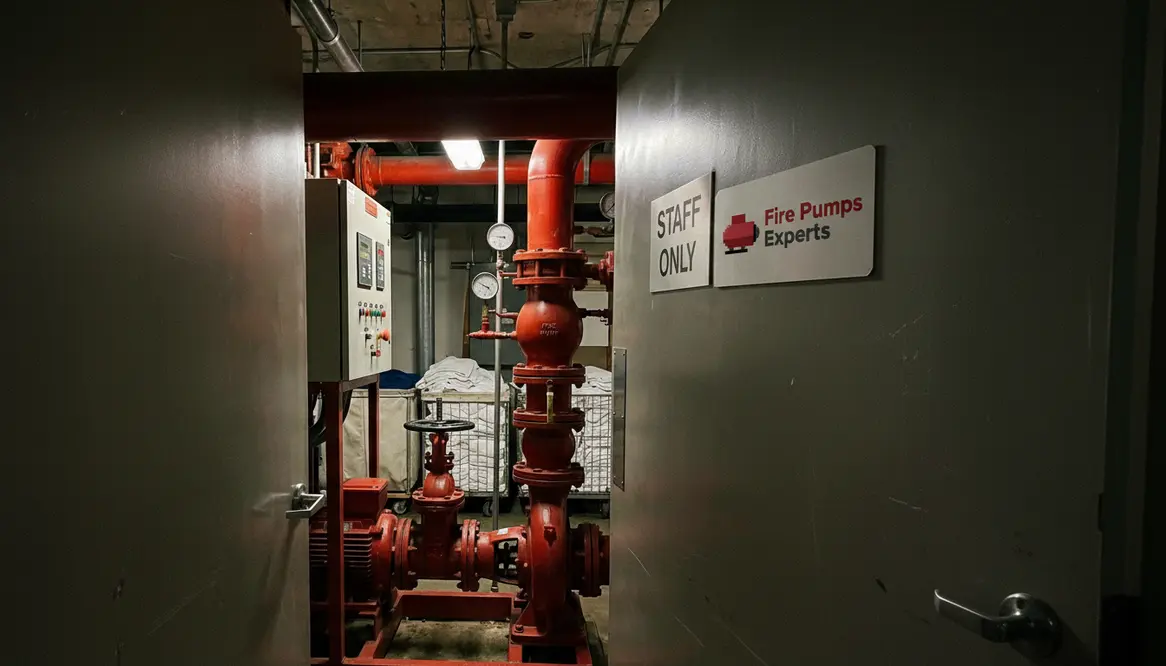
Fire Pump Systems for Hotels and Hospitality Safety
I have walked through enough hotel corridors to know one thing for certain. Guests expect comfort, but they assume safety. That quiet expectation rests on systems most people never see. Right at the center of that promise sits Fire Pump Systems for Hotels, the unsung backbone of fire protection in hospitality buildings. Within the first moments of an emergency, these systems decide whether a situation stays manageable or turns into a headline nobody wants to read.
So today, I will take you behind the curtain. Not in a dramatic Hollywood sense, although if this were a movie, the fire pump would be the calm hero who never raises its voice but always saves the day.
Why fire protection in hospitality buildings demands precision
Hotels are not simple structures. They are layered ecosystems filled with sleeping guests, busy kitchens, laundry rooms, conference spaces, and sometimes that one elevator that always takes too long. Because of this complexity, fire protection must work flawlessly across multiple risk zones.
First, occupancy is constantly changing. Unlike office buildings, you cannot train every guest on evacuation plans. Therefore, systems must act fast without relying on human reaction. Additionally, hospitality properties operate around the clock, which means fire risks never take a break.
That is where high performance fire pump solutions for hospitality properties come in. They ensure water reaches sprinklers and standpipes at the right pressure, even in high rise towers. Without that pressure, even the best sprinkler system becomes little more than decorative plumbing.
How do Fire Pump Systems for Hotels actually work?
I like to explain this simply. A fire pump is the muscle behind your fire protection system. When pressure drops, it activates automatically and boosts water flow where it is needed most.
Here is the sequence in plain terms:
- Detection triggers system demand
- Pressure drops in the sprinkler network
- The pump starts and increases water flow
- Water reaches critical zones at the required pressure
However, not all pumps are created equal. In large hotels or resorts, especially high rise properties, the system must overcome gravity, long pipe runs, and multiple floors. That requires careful engineering, not guesswork.
And yes, much like a good stage crew, if everything works perfectly, nobody notices. But if it fails, suddenly everyone is paying attention.
Key components that keep systems reliable
Reliability is not a happy accident. It comes from a combination of well chosen components and proper integration. When I evaluate Fire Pump Systems for Hotels and other large hospitality buildings, I focus on a few essentials.
- Fire pump unit sized for building demand
- Controller that ensures automatic operation
- Dedicated water supply with sufficient capacity
- Jockey pump to maintain baseline pressure
- Backup power for uninterrupted performance
- Valves and sensors for system control
- Test headers for regular inspections
- Monitoring systems for real time alerts
Each part plays a role. Together, they form a system that reacts instantly and consistently. In hospitality environments, consistency is everything. Guests forgive slow room service. They do not forgive safety failures.
Design strategies for large scale hospitality properties
Designing fire protection for hotels is not about installing equipment and walking away. It requires a deep understanding of building layout, occupancy load, and risk zones.
For example, high rise hotels often require zoned fire pump systems to maintain pressure across different floor levels. Meanwhile, resort style properties may need distributed systems to cover wide footprints.
Additionally, redundancy matters. I always recommend backup pumps or secondary power sources. Because in an emergency, “almost working” is not good enough.
Engineers must also consider peak demand scenarios. Large events, full occupancy, and simultaneous system activation all place stress on the system. Designing for average conditions is like bringing a water pistol to a dragon fight. It looks optimistic, but it ends badly.
Inspection, testing, and long term performance
Even the best designed system will fail without maintenance. That is not pessimism. That is physics.
Routine inspection and testing ensure that fire pump systems for hospitality buildings perform as intended. Weekly churn tests, monthly inspections, and annual flow testing all play a role in verifying readiness.
Moreover, modern monitoring tools allow facility managers to track system health in real time. This proactive approach reduces downtime and catches issues before they become emergencies.
I often say that maintenance is the difference between a system that works on paper and one that works when it matters. And in hospitality, timing is everything.
Compliance and safety standards you cannot ignore
Hospitality buildings must meet strict fire codes and standards. These include NFPA guidelines, local regulations, and insurance requirements. Ignoring them is not just risky. It is expensive.
However, compliance is not just about passing inspections. It is about building trust. Guests may never read your fire safety documentation, but they trust that it exists and functions properly.
Working with experienced providers ensures that your fire pump solutions align with all applicable codes while also meeting the unique needs of large commercial properties. Resources such as https://firepumps.org can help guide best practices when planning or upgrading Fire Pump Systems for Hotels across different jurisdictions.
FAQ: Fire protection for hospitality buildings
What is the role of a fire pump in hotels?
It boosts water pressure to ensure sprinklers and standpipes work effectively during a fire.
How often should fire pump systems be tested?
Weekly and monthly checks are standard, with annual performance testing required.
Are fire pumps required in all hotels?
Most large or high rise hotels require them to meet fire code and pressure demands.
What happens if a fire pump fails?
Water pressure drops, which can reduce or stop sprinkler effectiveness.
Can systems run during power outages?
Yes, with backup generators or diesel driven pumps.
Final thoughts on protecting people and property
When I look at hospitality buildings, I do not just see architecture. I see responsibility. Fire Pump Systems for Hotels stand at the center of that responsibility, quietly ensuring that safety is never left to chance. If you manage or design large scale properties, now is the time to evaluate your system, strengthen its reliability, and partner with experts who understand the stakes. Because in this business, peace of mind is not optional. It is part of the service you provide, and the performance of your Fire Pump Systems for Hotels often determines how well that promise is kept.