Fire Pump Requirements for Convention Centers Guide
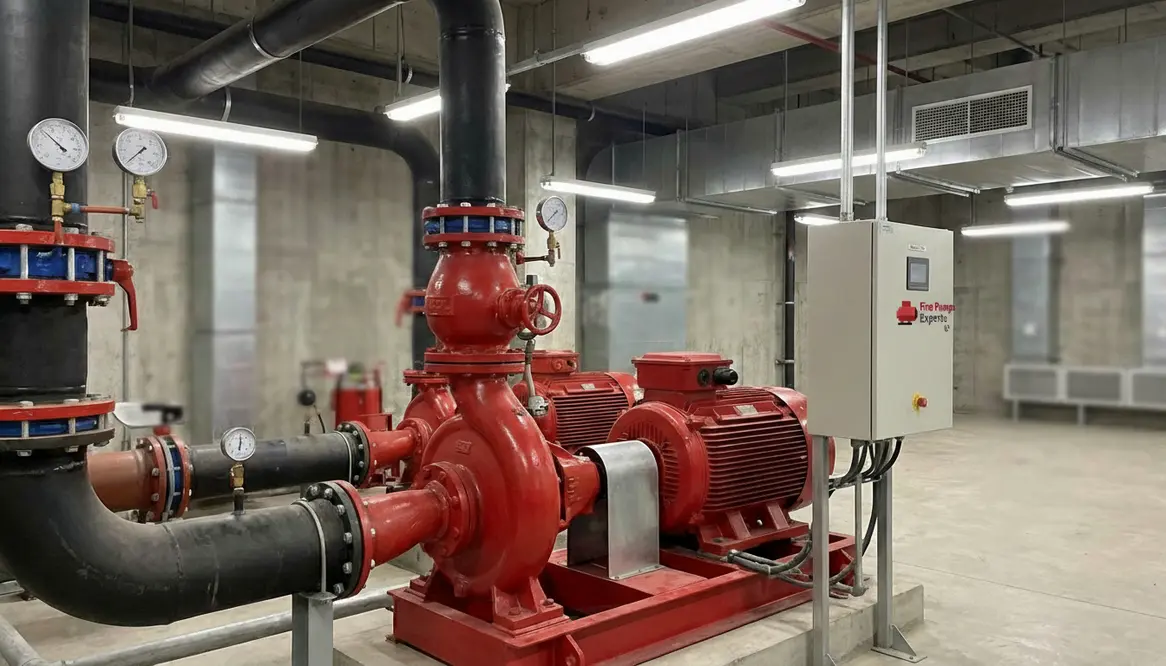
I have walked through more large facilities than I can count, and I can tell you this with quiet certainty. When people gather in large numbers, safety systems must move from good enough to absolutely dependable. That is where Fire Pump Requirements for Convention Centers come into focus. These spaces are not just buildings. They are living, breathing ecosystems packed with people, energy, and risk. So I treat fire pump planning like a well directed film. Every part must hit its mark at the right time, or the whole production falls apart.
Why High Occupancy Buildings Demand Serious Fire Pump Planning
When thousands of people share a space, the margin for error disappears. Convention centers, stadiums, and large commercial facilities demand systems that perform under pressure, literally. I have seen systems that looked great on paper but struggled when real demand kicked in. That is not the time to discover a weak link.
Because of this, I focus on flow consistency, pressure stability, and redundancy. Additionally, these systems must handle peak demand without hesitation. If you think of a fire pump as the heartbeat of a fire protection system, then in high occupant facilities, that heart needs to run like an elite athlete, not someone who skips leg day.
What Are Fire Pump Requirements for Convention Centers?
At its core, Fire Pump Requirements for Convention Centers revolve around ensuring reliable water delivery during emergencies. However, the real story lives in the details.
I always start with capacity. Convention centers require pumps that can sustain high flow rates across large floor areas. Then comes pressure. Without the right pressure, even the best sprinkler system becomes little more than decorative plumbing.
Moreover, backup power is not optional. I insist on diesel or generator backed systems because power failures tend to show up at the worst possible moment. Finally, I consider system redundancy. One pump is good. Two is smart. Three is peace of mind.
Designing for Flow and Pressure Without Guesswork
I approach system design like a chess game. Every move must anticipate the next. In large facilities, water demand varies across zones, so I calculate peak scenarios rather than averages. This ensures the system holds up when it matters most.
Additionally, I align pump curves with actual building demand. Oversizing may sound safe, but it can create inefficiencies and maintenance issues. On the other hand, undersizing is a risk I refuse to take.
So I rely on accurate hydraulic modeling and real world testing. And yes, I trust data more than guesswork. Hollywood loves dramatic surprises. Fire protection systems should not.
Key Components That Make or Break the System
Every fire pump system has a few stars that deserve attention. Ignore them, and the system quietly plots its revenge.
Here is what I prioritize:
- Pump type selection that matches facility scale and demand
- Reliable controllers that respond instantly under stress
- Dedicated water supply with verified capacity
- Backup power systems that activate without delay
- Proper suction design to prevent cavitation issues
Furthermore, I make sure each component works together. A strong pump paired with weak controls is like putting a race car engine in a car with bicycle brakes. It looks impressive until it does not.
Planning Layout and Accessibility Like a Pro
I have learned that placement matters just as much as performance. A fire pump tucked into a hard to reach corner creates delays during maintenance and emergencies.
What I always include:
- Clear access paths for maintenance teams
- Ventilation for heat control
- Flood protection measures
- Noise control considerations
What I avoid:
- Cramped installation spaces
- Poor drainage planning
- Shared rooms with unrelated systems
- Hard to reach control panels
Because at the end of the day, even the best system needs human interaction. And humans, as we all know, do not perform well in tight, poorly lit spaces. Just watch any horror movie.
Maintenance and Testing Keep Systems Honest
Even the most advanced system needs regular attention. I treat maintenance like a routine health check. Skip it, and small problems grow into expensive failures.
So I schedule regular flow tests, inspect components, and verify controller response times. In addition, I document everything. Data tells a story, and I prefer reading it before something goes wrong.
Most importantly, I train facility teams. A well trained team can spot issues early and respond quickly. Technology is powerful, but people still make the difference.
Bringing Fire Pump Requirements for Convention Centers Together
If you manage or design a high occupancy facility, now is the time to take fire pump planning seriously. I encourage you to review your current system, identify gaps, and invest in solutions that meet real world demand. When you align with proven Fire Pump Requirements for Convention Centers, you protect lives, property, and peace of mind. Reach out to experienced professionals who understand large scale systems and build something that performs when it truly counts.
Well planned Fire Pump Requirements for Convention Centers do more than satisfy codes. They create a resilient backbone for every event, every full hall, every packed lobby. When thousands of visitors step through the doors, they assume someone has already thought through the worst case scenarios. This is where detailed analysis, full scale testing, and disciplined documentation become non negotiable.
The most successful projects I have seen treat Fire Pump Requirements for Convention Centers as a long term strategy rather than a design line item. From construction through decades of operation, leadership commits to funding upgrades, training teams, and auditing performance. That commitment may never make headlines, but it is exactly what keeps emergencies from turning into disasters.