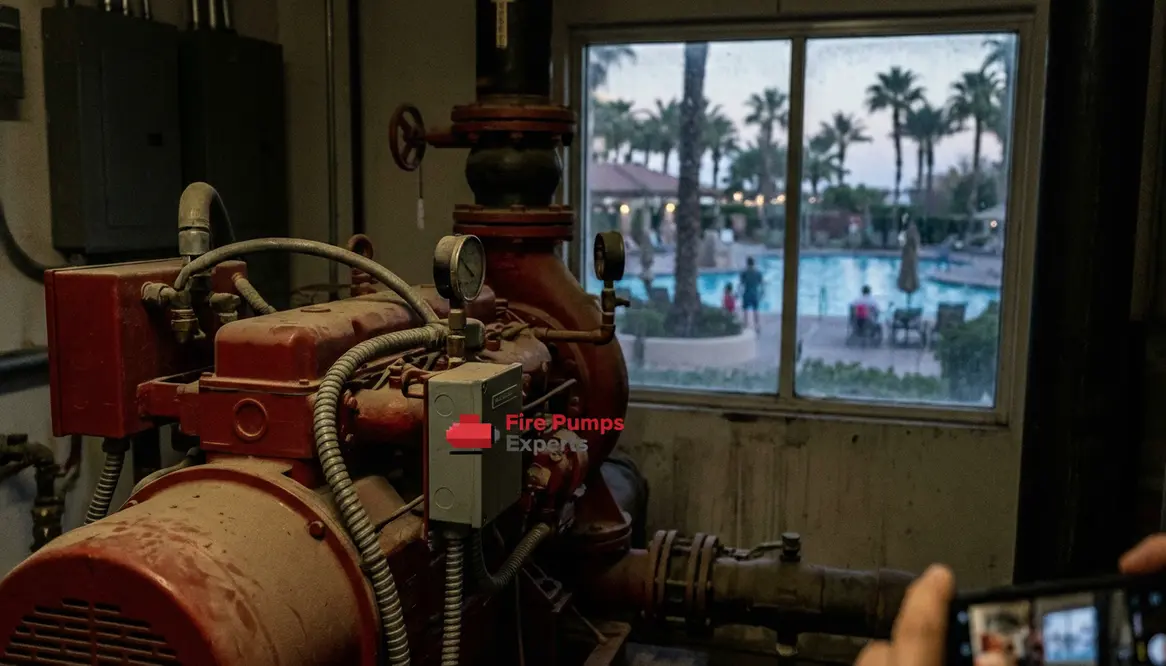
Fire Pump Systems for Vacation Rental Complexes
I have spent years walking through multi unit hospitality properties, from sprawling resorts to high rise hotels that hum like small cities. And if there is one thing I have learned, it is this. Fire does not care about your occupancy rate. It does not wait for peak season to make an entrance. That is why Fire Pump Systems for Vacation Rental Complexes are not just equipment. They are quiet guardians working behind the walls while guests sleep, scroll, and argue over where to eat dinner.
So let us talk about fire safety in a way that actually sticks. Not dry. Not dull. Think more calm storyteller meets seasoned operator who has seen what happens when preparation is either done right or… well, done never.
What makes multi unit hospitality properties uniquely vulnerable to fire
Now, here is the thing. A single family home has one kitchen, maybe two people cooking, and a dog that probably should not be near the stove. A hospitality property? Entirely different story.
First, you have volume. Dozens or hundreds of units, each with electrical systems, appliances, and human behavior that ranges from careful to what can only be described as adventurous.
Second, there is constant turnover. Guests arrive unfamiliar with exits, unaware of protocols, and sometimes convinced that reading safety instructions is optional. Spoiler alert. It is not.
Additionally, shared infrastructure like laundry rooms, commercial kitchens, and mechanical spaces creates concentrated risk zones. When something goes wrong, it can scale quickly.
Therefore, fire safety in these properties is not about a single solution. It is about layered protection that works together seamlessly.
Fire Pump Systems for Vacation Rental Complexes and why they matter more than you think
I like to think of fire pump systems as the unsung heroes of fire protection. They do not sparkle. They do not get applause. But when pressure drops in your sprinkler system, they step in like a seasoned backup quarterback and save the game.
In large hospitality environments, municipal water pressure often is not enough. That is where Fire Pump Systems for Vacation Rental Complexes come in. They boost water flow exactly when it is needed most.
Moreover, these systems are engineered for reliability. We are talking about precision equipment designed to activate under specific conditions and maintain consistent pressure across multiple floors and units.
Without them, even the best sprinkler systems can fall short. And that is not a risk any property operator should accept.
How do I design a fire safety system for a large hospitality building
I get this question a lot, and the answer is never one size fits all. However, there is a clear framework that works.
First, I start with risk assessment. Every property has its own layout, occupancy patterns, and operational quirks. You cannot protect what you have not fully understood.
Next, I integrate detection systems. Smoke detectors, heat sensors, and alarm networks must communicate instantly. No lag. No confusion.
Then comes suppression. This is where sprinklers and fire pump units for large scale lodging facilities work together. The goal is simple. Contain and control before fire spreads.
Finally, I ensure redundancy. Because in fire safety, hope is not a strategy. Backup power, secondary water sources, and routine testing make the difference between theory and reality.
Key components that keep everything running smoothly
Let me break it down into something practical. These are the elements I always prioritize.
Core Systems
- Automatic sprinkler networks
- Fire pump units for large properties
- Standpipe systems for vertical access
- Alarm and detection integration
Operational Support
- Routine inspection schedules
- Staff emergency training
- Clear evacuation mapping
- Backup power systems
Each piece plays its role. However, when combined, they create a system that responds quickly and effectively. Like a well rehearsed orchestra, except instead of music, you get safety.
Maintenance is where most properties quietly fail
Here is a truth that does not get enough attention. Installing a system is only half the job. Maintaining it is where the real discipline shows.
I have seen properties invest heavily in infrastructure, only to neglect inspections. Pumps go untested. Valves remain unchecked. And slowly, reliability fades.
On the other hand, properties that commit to routine maintenance see consistent performance. They test under real conditions. They document everything. They treat compliance as a baseline, not a finish line.
And yes, it may feel repetitive. But so is brushing your teeth, and nobody is volunteering to skip that experiment.
Creating a culture of awareness among staff and guests
Technology alone cannot carry the entire load. People matter. In fact, they often make the difference between a minor incident and a major event.
I always recommend clear staff training. Not just once a year, but regularly. Staff should know how to respond, who to contact, and how to guide guests calmly.
Meanwhile, guest awareness should be simple and visible. Clear signage. Easy to understand evacuation maps. No fine print novels taped behind doors.
Because in an emergency, nobody wants to decode instructions like they are solving a movie puzzle.
FAQ about fire safety in hospitality properties
Final thoughts and next steps
Fire safety in hospitality properties is not about checking boxes. It is about building a system that works under pressure, literally and figuratively. When you invest in the right infrastructure, including properly designed pump systems, and commit to ongoing maintenance, you create an environment where safety becomes second nature. If you manage or operate a large scale property, now is the time to evaluate your systems, close the gaps, and ensure everything performs exactly as intended when it matters most.
For more perspectives, examples, and best practice guidance, resources from organizations such as https://firepumps.org can help you compare your current setup with industry expectations and modern standards.