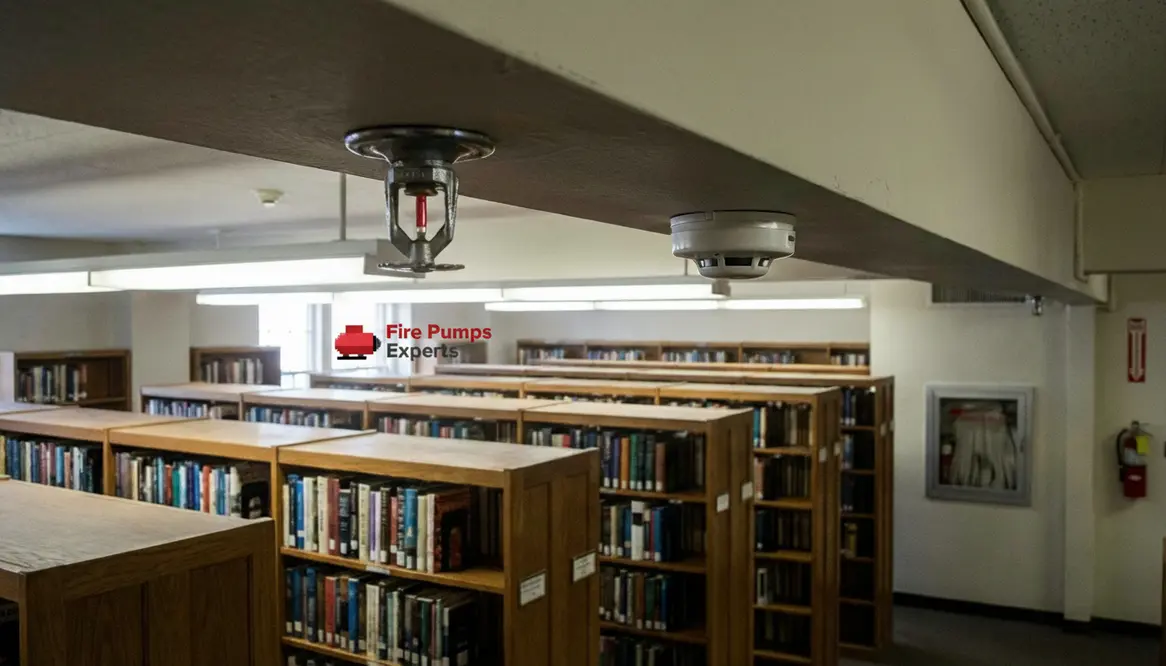
Fire Pump Systems for Libraries Safety Guide
I have always believed that protecting knowledge is just as important as creating it. Public resource facilities like libraries, archives, and municipal learning centers hold more than books. They hold history, community memory, and in some cases, that one DVD no one returned since 2007. That is where Fire Pump Systems for Libraries step in quietly, like the unsung hero in a good movie. They do not wear capes, but they do save buildings. And more importantly, they buy time when every second matters.
So today, I want to walk you through how fire protection works in these spaces, why it matters, and how to approach it with a steady, informed hand.
Understanding Fire Risks in Public Resource Facilities
Now, let me set the stage. Libraries and similar facilities are not your average commercial buildings. They carry dense storage, aging electrical systems, and high foot traffic. Therefore, the fire load is often higher than people expect.
Moreover, paper burns fast. Shelving creates narrow pathways. And once a fire starts, it can move like gossip in a small town. Quickly and with very little resistance.
Because of this, I never treat these facilities like standard office spaces. Instead, I look at them as layered environments. There are reading areas, archival zones, server rooms, and public gathering spaces. Each of these requires a slightly different protection strategy.
However, the real challenge is balance. You want strong protection without damaging sensitive materials. That is where system design becomes both a science and a bit of an art form.
How Fire Pump Systems for Libraries Support Reliable Protection
Let me be clear. Water is still the most reliable firefighting tool we have. It is not flashy, but it gets the job done. And behind that water flow sits a critical component. The fire pump.
Fire Pump Systems for Libraries ensure consistent pressure when municipal supply falls short. Because during a fire, the last thing you want is a sprinkler system that hesitates like someone deciding what to watch on Netflix.
These systems activate automatically. As soon as pressure drops, the pump kicks in and keeps water moving through the system. This steady flow supports sprinklers, standpipes, and other suppression systems throughout the building.
Additionally, modern fire pump solutions integrate with monitoring systems. That means facility managers can track performance in real time. So instead of guessing, they know exactly what is happening behind the walls.
And yes, while it may not sound glamorous, reliability is the real hero here. Every time.
What Fire Protection Setup Works Best for Large Libraries?
I get this question a lot. And the answer is not one size fits all. However, there are a few elements I always recommend.
First, automatic sprinkler systems remain the backbone. They respond quickly and target specific areas, which helps limit water damage.
Second, fire pumps designed for high demand facilities ensure that water pressure remains stable across multiple floors and zones.
Third, early detection systems like smoke and heat sensors provide the earliest possible warning. Because the sooner you act, the better your outcome.
Finally, compartmentalization plays a huge role. By dividing spaces, you slow fire spread and protect critical collections.
So while the setup may vary, the goal stays the same. Control the fire fast, support evacuation, and protect what matters most.
Designing Systems That Respect Structure and Function
Now here is where things get interesting. Designing fire protection for public resource facilities is not just about safety. It is also about preservation.
For example, archival areas may require pre action sprinkler systems. These systems only release water after multiple triggers. That reduces the risk of accidental discharge.
At the same time, fire pump integration must align with building layout. Long corridors, multiple levels, and high ceilings all influence how water moves.
Therefore, I always approach design with a simple mindset. Respect the building, understand its use, and build protection that fits both.
Key Design Considerations
- Water pressure requirements across floors
- Backup power for uninterrupted operation
- Integration with alarm systems
- Accessibility for maintenance teams
Operational Priorities
- Protect occupants first
- Minimize damage to collections
- Ensure system reliability
- Maintain compliance with fire codes
When these elements come together, the result is a system that works quietly in the background until the moment it is needed most.
Maintenance Keeps Everything Honest
Let me tell you something simple. Even the best system fails if no one checks on it. And fire pumps are no exception.
Routine inspections ensure that components function correctly. Weekly churn tests, annual flow tests, and regular system audits keep everything in line.
Moreover, facilities that invest in maintenance often avoid costly failures later. It is the difference between a small service call and a full scale emergency.
And honestly, there is something comforting about knowing your system will work when called upon. Like a dependable old friend who always shows up on time.
Fire Pump Systems for Libraries in Modern Infrastructure Planning
Today, public facilities are evolving. They are becoming smarter, more connected, and more complex. Therefore, fire protection must evolve as well.
Fire Pump Systems for Libraries now integrate with building management systems. This allows centralized monitoring and faster response times.
Additionally, energy efficient pump designs reduce operational costs without sacrificing performance. So you get both safety and sustainability.
And while technology continues to advance, the mission remains unchanged. Protect people. Preserve knowledge. Keep operations running.
Frequently Asked Questions
Conclusion
Protecting public resource facilities takes more than good intentions. It takes planning, precision, and the right systems working together. If you are responsible for a large scale facility, now is the time to evaluate your fire protection strategy. Explore how advanced fire pump solutions, such as those discussed at https://firepumps.org, can strengthen your infrastructure, safeguard your assets, and ensure long term resilience. Because when it comes to protecting knowledge, there is no room for shortcuts, and well designed Fire Pump Systems for Libraries are a central part of that commitment.