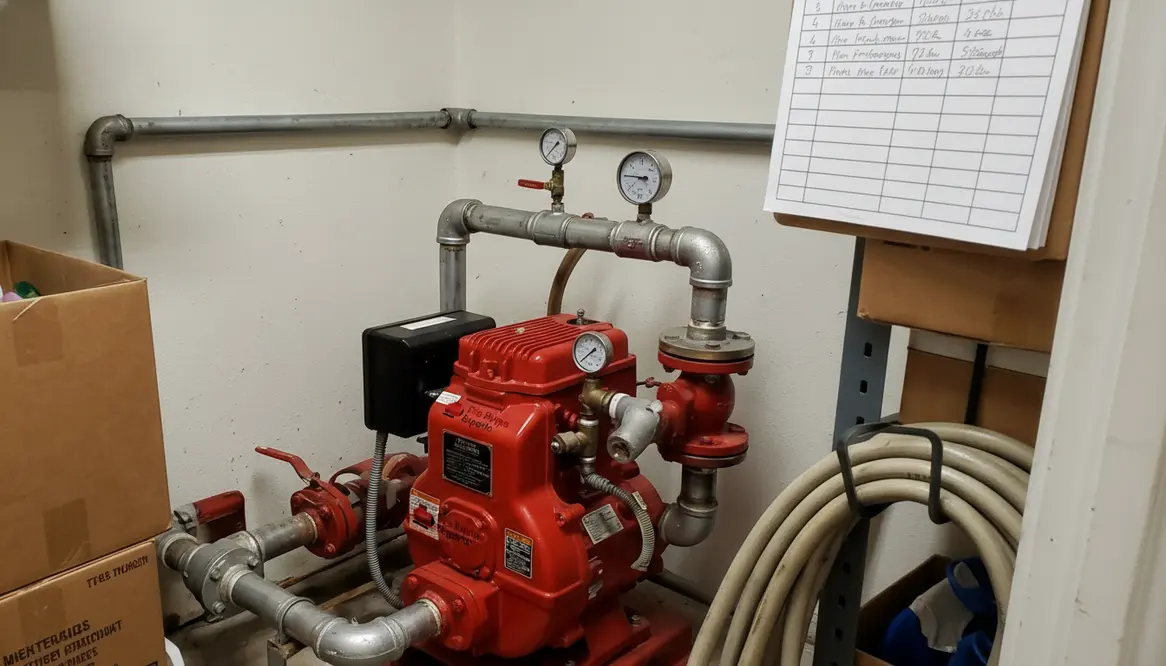
Neighborhood Retail Fire Pump Systems Guide
I have walked through more back rooms, storage aisles, and service corridors than I can count, and one truth keeps echoing like a slow drumbeat. Fire does not care how charming your shop is. It does not care about your regulars, your handcrafted displays, or that one squeaky floorboard everyone secretly loves. That is why I always bring the conversation back to neighborhood retail fire pump systems. They are not glamorous, but they are the quiet guardians that stand ready when everything else fails. And yes, they work harder than that one employee who always “forgets” their shift.
Why Small Retail Spaces Need Big Fire Protection Thinking
At first glance, a small community shop feels low risk. However, I have seen how quickly cluttered storage, aging wiring, and tight layouts can turn a spark into a headline. Because of that, I approach these spaces with the same discipline used in large commercial properties.
Moreover, many retail owners rely too heavily on alarms and sprinklers alone. Those are essential, but without strong water pressure, they can fall short. That is where properly designed fire pump solutions come into play. They ensure consistent flow, even when municipal supply struggles during peak demand.
And let’s be honest, hoping the city water pressure “just shows up” during a fire is like expecting your WiFi to behave during a storm. Optimistic. Not reliable.
Where Neighborhood Retail Fire Pump Systems Fit In
In many community corridors, utilities were never designed with modern retail density in mind. That is where neighborhood retail fire pump systems quietly carry the load. They stabilize pressure, support sprinkler coverage, and keep firefighting water available when every second is loud, hot, and unforgiving.
When the rest of the block is pulling on the same municipal line, it is these systems that keep your protection from stalling out at the worst possible moment.
How Do I Choose the Right Fire Pump System for My Retail Property?
I hear this question often, and I always answer it the same way. Start with the building, not the budget. Because if the system does not match the risk, you are simply decorating the problem.
First, I evaluate the size and layout. Then I look at occupancy load, storage practices, and available water supply. After that, I determine the correct pump type and capacity. Electric pumps often suit stable power environments, while diesel options provide independence when power reliability is questionable.
Additionally, I consider future growth. Many retail spaces evolve, and your fire protection should not become outdated the moment you expand your inventory.
So yes, choosing a system takes thought. But cutting corners here is like buying a parachute on clearance. It may save money, but the stakes are… high.
Key Considerations Before Selecting Your System
- Does your municipal water supply meet the needed flow and pressure at peak demand?
- How dense is your merchandise, and how high is it stored?
- Are you planning to add refrigeration, new product lines, or additional floor space?
- What are the local fire code requirements and insurance expectations?
Answering these honestly helps shape neighborhood retail fire pump systems that actually reflect your real-world risk instead of an optimistic guess.
What Makes Neighborhood Retail Fire Pump Systems Reliable?
Reliability is not magic. It is built through design, installation, and maintenance working together like a well rehearsed band.
First, proper installation ensures the system performs under pressure. Next, routine testing confirms everything activates as intended. Finally, ongoing maintenance keeps wear and tear from turning into failure.
Because of this, I always recommend working with specialists who focus on commercial and industrial grade systems. These are not off the shelf solutions. They are engineered safeguards.
And while it may not be exciting, a weekly churn test can mean the difference between control and catastrophe. Think of it as a gym session for your fire pump. Skip too many, and things get weak fast.
Design & Installation Factors
- Hydraulic calculations that match your exact layout
- Correct pump sizing to avoid both starvation and overkill
- Compatible controllers, power sources, and jockey pumps
- Code-compliant suction piping and discharge arrangements
Testing & Maintenance Habits
- Weekly churn tests logged and reviewed
- Monthly visual inspections of valves, gauges, and alarms
- Annual full-flow testing and third-party inspections
- Timely repair or replacement of worn components
Balancing Cost and Safety Without Cutting Corners
Now, let’s talk money. Because eventually, every conversation does.
What I Prioritize
- System durability
- Compliance with fire codes
- Long term maintenance plans
- Scalability for growth
What I Avoid
- Undersized pumps
- Unverified contractors
- Skipping inspections
- Short term fixes
Although budgets matter, safety is not the place for creative accounting. Instead, I focus on value over time. A well designed system reduces risk, protects assets, and avoids costly downtime.
Besides, rebuilding after a fire is far more expensive than preventing one. That is not philosophy. That is math.
Where To Find Serious Support
If you are weighing options for neighborhood retail fire pump systems, it helps to see how seasoned specialists approach layout, code, and performance. Resources like https://firepumps.org/ can give you a sense of what professional-grade planning looks like before you commit a dollar.
Maintenance Habits That Keep Systems Ready
Even the best system needs attention. I treat maintenance like brushing my teeth. Ignore it long enough, and things get ugly.
Regular inspections, performance testing, and component checks ensure everything stays operational. Furthermore, documentation matters. It keeps you compliant and provides proof that your system is ready when needed.
In addition, I encourage training staff on basic awareness. They do not need to be engineers, but they should know what “normal” looks and sounds like. That way, small issues get flagged before they grow.
Because when something sounds off, it usually is. Fire systems do not improvise well.
Simple Habits For Everyday Staff
- Report unusual pump noises or vibration immediately
- Keep storage clear of control panels, valves, and access paths
- Avoid stacking merchandise against sprinkler risers or piping
- Know who to call when an alarm, light, or gauge looks “off”
These are the small routines that keep neighborhood retail fire pump systems from quietly drifting out of readiness while everyone assumes they are fine.
FAQ: Fire Protection for Small Community Retail Sites
Conclusion: Protect What You Built
I have seen what happens when preparation meets opportunity, and when it does not. Fire protection is not just a requirement. It is a commitment to your business, your people, and your community. If you are serious about safeguarding your retail property, invest in the right expertise and systems. Explore professional grade solutions designed for commercial spaces, and make sure your protection stands ready before it is ever needed. Because peace of mind is not accidental. It is engineered.