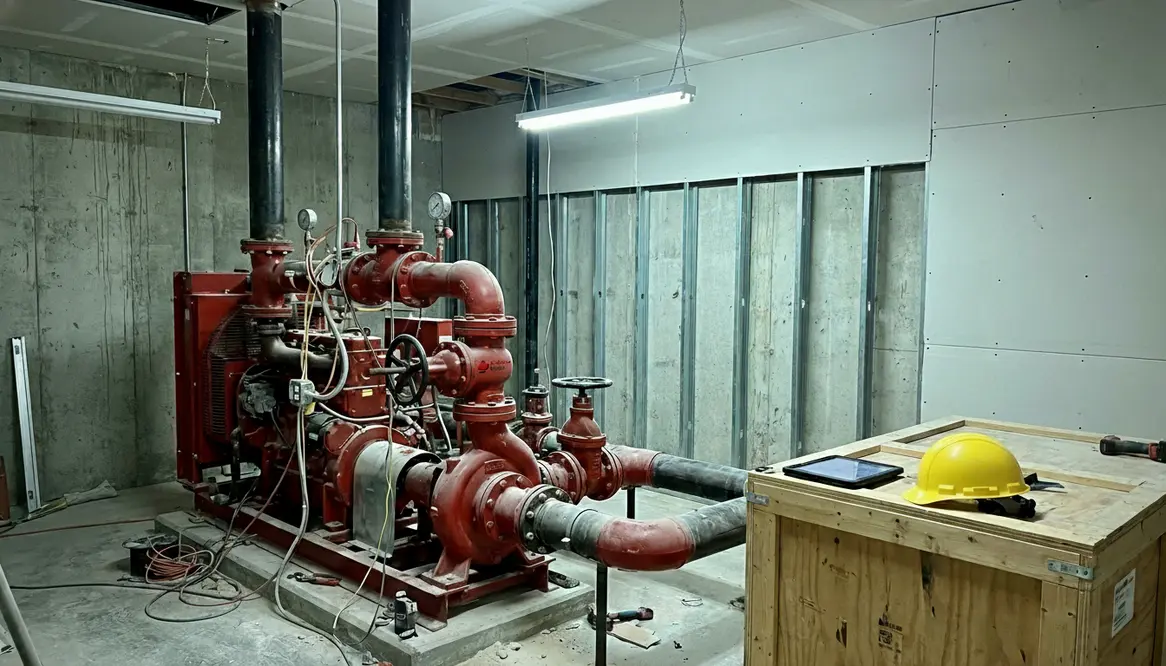
Retail Renovation Fire Pump Requirements Guide
I have walked through enough commercial remodels to know this truth: when walls come down and new designs go up, the fire protection system does not politely stay the same. It demands attention. And right at the center of that demand sits one of the most overlooked heroes in a building, the fire pump. When I talk about retail renovation fire pump requirements, I am talking about more than compliance. I am talking about performance, reliability, and frankly, whether your building is ready when things go sideways.
So, let’s take a calm, steady walk through what upgrading fire pumps during a remodel really means. And yes, we will keep it professional. But every now and then, I might nudge in a joke. Because even fire pumps deserve a little personality.
Why fire pumps demand attention during retail remodels
First, remodeling changes everything behind the scenes. New layouts alter sprinkler demand. Added square footage increases system load. Meanwhile, updated codes step in like a strict gym trainer and say, “You are lifting heavier now.”
Because of this, I always evaluate whether the existing pump can handle the new hydraulic demand. If it cannot, then upgrading is not optional. It is necessary. Additionally, municipalities often require systems to meet current standards once a renovation crosses certain thresholds.
And here is the kicker. Many older pumps were sized for a different era. Think of them like a flip phone in a smartphone world. They worked great once. Now, they struggle to keep up.
What triggers retail renovation fire pump requirements in commercial spaces
I get this question a lot, and the answer is usually not as simple as people hope. However, there are clear triggers that push upgrades from “maybe later” to “right now.”
Common triggers that change the rules
Common triggers include:
- Expansion of floor area or occupancy load
- Changes to sprinkler density or hazard classification
- Insufficient water supply based on updated calculations
- Code updates enforced during permit approval
Moreover, insurance carriers often step in with their own expectations. They are not known for being flexible, and frankly, neither is fire. So aligning both code and insurance requirements early saves headaches later.
How I approach upgrading fire pumps without disrupting operations
Now here is where things get interesting. Retail environments rarely get the luxury of shutting down completely. The lights stay on, the doors stay open, and customers still wander in looking for a sale.
So I plan upgrades in phases. First, I assess system capacity and identify gaps. Then, I coordinate installation windows that minimize disruption. Night work, temporary systems, and careful sequencing become my best friends.
Additionally, I always account for redundancy. Because nothing says “bad day” like taking a fire system offline in an active commercial building. That is not a plot twist anyone wants.
Choosing the right fire pump for modern retail demands
Not all fire pumps are created equal. And during a remodel, choosing the right one is like casting the lead role in a blockbuster movie. Get it right, and everything flows. Get it wrong, and well, let’s just say critics will not be kind.
Here is how I break it down:
Performance factors
- Required flow and pressure based on updated hydraulics
- Future expansion capacity
- Compatibility with existing infrastructure
Operational considerations
- Electric versus diesel drive selection
- Maintenance accessibility
- Integration with monitoring systems
Furthermore, I always think ahead. Because today’s remodel often becomes tomorrow’s expansion. And nobody wants to replace a brand new pump five years later.
How do I stay compliant with retail renovation fire pump requirements?
I keep it simple. I start with current codes, then layer in local amendments, and finally confirm with the authority having jurisdiction. Because guessing is not a strategy here.
In addition, I coordinate closely with fire protection engineers. Hydraulic calculations must reflect the new layout, not the old one. Then I verify that the pump curve aligns with system demand. If it does not, adjustments happen early, not during inspection week.
And let me tell you, inspectors have a sixth sense for shortcuts. You do not want to test that theory.
Common pitfalls I avoid during fire pump upgrades
Even seasoned teams can stumble if they rush. So I stay mindful of a few recurring issues.
- Oversizing the pump, which leads to system instability
- Ignoring suction supply limitations
- Forgetting to upgrade controllers and power infrastructure
- Delaying testing and commissioning
Meanwhile, communication keeps everything on track. Contractors, engineers, and facility managers all need to stay aligned. Otherwise, you end up with a very expensive game of telephone.
FAQ about upgrading fire pumps in retail remodels
Conclusion: building smarter, safer retail spaces
Upgrading a fire pump during a remodel is not just a box to check. It is a decision that shapes how a building performs under pressure. Literally. When I align design, compliance, and long term performance, I create systems that stand ready without compromise. If you are planning a commercial renovation, now is the time to get it right. Reach out, ask the hard questions, review the latest retail renovation fire pump requirements, and make sure your fire protection system is ready for anything.