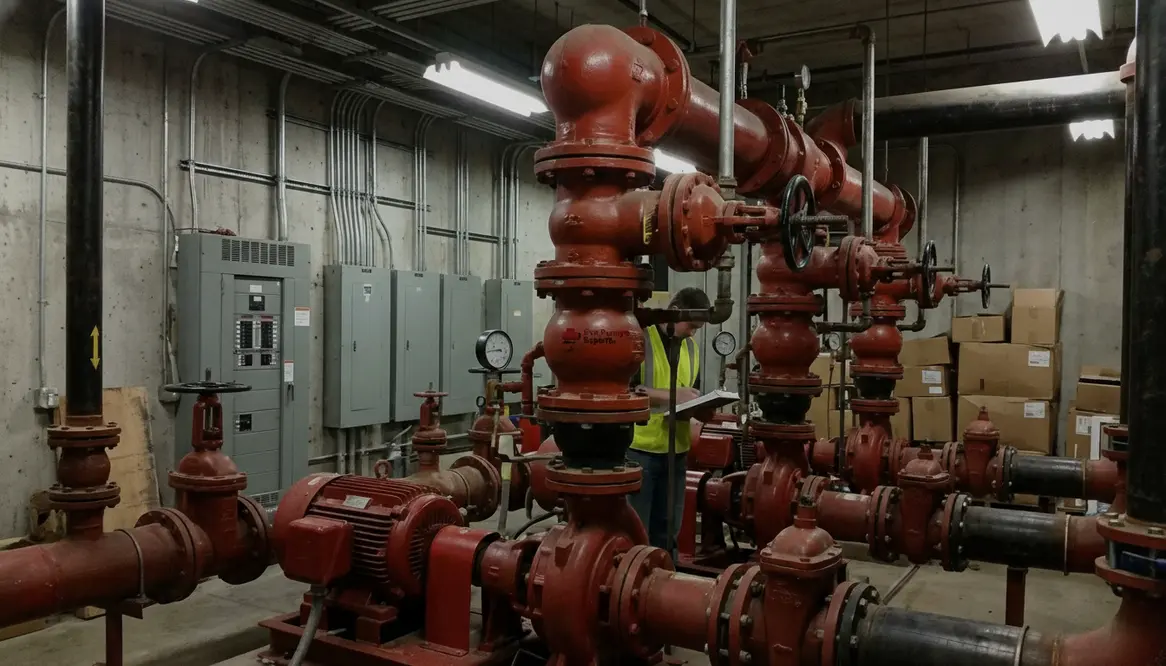
Mixed Use Tower Fire Pump Systems Design Guide
I have spent years walking through towering mixed occupancy buildings where offices hum above retail floors and residential spaces glow at night. In these vertical cities, fire safety is not a feature. It is the spine that holds everything together. That is where mixed use tower fire pump systems quietly do their job. Within the first few minutes of an incident, they decide whether a situation stays controlled or spirals into something far worse. And yes, they do it without applause, much like a great bass player in a jazz band.
How do I approach fire safety in large mixed occupancy towers?
I start with one simple idea. Every floor has a different personality, so the fire protection strategy cannot be one size fits all. Residential units behave differently than commercial kitchens. Meanwhile, parking garages bring their own risks. Because of that, I design systems that adapt while still working as a single unit.
For example, I map out water demand across all zones. Then I align suppression systems with those demands. Consequently, I avoid overloading the system during peak usage. It sounds basic, yet many projects miss this step and end up with gaps in protection.
Also, I think about human behavior. People panic. Elevators get crowded. Stairwells become lifelines. So I ensure water pressure remains steady across all levels, especially the highest ones where gravity is not exactly your friend.
The backbone of protection: mixed use tower fire pump systems
Now let me get to the heart of it. Mixed use tower fire pump systems are not just pumps. They are coordinated networks that maintain pressure, deliver water instantly, and support multiple suppression zones at once. In high rise environments, that coordination is everything.
However, not all systems are created equal. I prioritize redundancy. If one pump fails, another takes over without hesitation. Think of it like having a backup quarterback who is actually good. No offense to certain teams.
Moreover, I carefully match pump capacity to building height and layout. Oversizing wastes energy. Undersizing creates risk. Therefore, precision matters. When done right, these systems operate so smoothly that most occupants never even think about them.
Balancing multiple occupancies without compromise
Mixed occupancy projects come with competing needs. Retail tenants want open ceilings. Offices want flexibility. Residents want quiet. Meanwhile, fire codes demand consistency. So I act as the referee, making sure safety never loses.
Commercial Areas
- Higher fire loads due to inventory and equipment
- Need for rapid suppression response
- Often require sprinkler density adjustments
Residential and Office Spaces
- Focus on safe evacuation routes
- Stable water pressure across floors
- Integration with alarms and communication systems
Because of these differences, I design zoning strategies that isolate risks while still sharing core infrastructure. As a result, the system remains efficient and resilient.
Designing for height, pressure, and reality
Let me be honest. Gravity is stubborn. The taller the building, the harder your system must work. Therefore, I divide towers into pressure zones. Each zone gets the right amount of force without overstraining pipes or fixtures.
Additionally, I account for real world variables. Power outages happen. Mechanical rooms flood. Equipment ages. So I include backup power and accessible maintenance points. Because when something goes wrong, and it will eventually, the system must keep running.
I also coordinate closely with structural and mechanical teams. Fire protection does not live in isolation. It shares space, power, and pathways. Collaboration prevents costly redesigns later. And trust me, no one enjoys tearing open finished walls.
Inspection, testing, and the discipline of consistency
Even the best design fails without proper upkeep. So I treat inspection and testing as non negotiable. Regular flow tests, pressure checks, and control panel reviews keep everything sharp.
Furthermore, I train facility teams to understand the basics. Not everyone needs to be an expert, but they should know what normal looks like. That way, they can spot trouble early. It is a bit like noticing your car sounds weird before it breaks down on the highway.
Consistency builds reliability. And reliability, in fire safety, saves lives and protects investments.
Why integrated planning always wins
I have seen projects where fire protection was an afterthought. Those projects usually end up over budget and underperforming. On the other hand, when I integrate fire safety from day one, everything aligns better.
Architects get cleaner designs. Engineers avoid conflicts. Owners gain confidence. And most importantly, occupants stay protected. So I push for early collaboration, even if it means more meetings upfront. In the long run, it saves time, money, and headaches.
On several projects, I have watched mixed use tower fire pump systems become the quiet hero of the development. When the planning team embraces them as core infrastructure instead of an afterthought, the building gains a kind of calm resilience. Tenants do not see the pumps. They see the confidence in the way the building operates, even under stress.
Putting mixed use tower fire pump systems to work
In practice, mixed use tower fire pump systems must satisfy different authorities, insurers, and stakeholders while still being maintainable over decades. That means clear documentation, accessible layouts, and room for upgrades. The more transparent the system, the easier it is for new facility staff, inspectors, and service contractors to understand how everything ties together.
If you want a deeper technical reference on pump selection, testing standards, and high rise case studies, you can explore resources at https://firepumps.org. Pairing those standards with the lived reality of your building is where the real value emerges.
FAQ
Conclusion
When I design fire safety for vertical mixed occupancy projects, I am not just meeting code. I am building confidence into every floor and every system. If you manage or develop large scale properties, now is the time to evaluate your infrastructure. Let us make sure your building stands ready, calm under pressure, and fully protected when it matters most. Reach out and take that next step toward smarter, stronger fire protection.