Urban Apartment Fire Pump Systems for High Rises
I have walked through enough high rise corridors to know this truth: fire does not care about skyline views or premium rent. It moves fast, thinks faster, and punishes hesitation. That is exactly why urban apartment fire pump systems sit at the heart of modern fire protection. In dense city housing, where hundreds of lives stack vertically, these systems do not just support safety. They define it. And yes, while they may not get the spotlight like a blockbuster hero, they are very much the quiet superhero keeping disaster from rolling credits too soon.
Why Dense City Housing Demands Smarter Fire Protection
In a packed urban environment, every second counts. Buildings rise higher, hallways stretch longer, and access becomes more complex. Because of this, traditional fire protection approaches fall short. I have seen properties rely on outdated infrastructure, and frankly, it is like bringing a garden hose to a dragon fight.
However, modern systems adapt to pressure demands, water supply challenges, and building height. Therefore, fire protection becomes proactive rather than reactive. Moreover, dense housing introduces shared risk. One unit’s issue quickly becomes everyone’s emergency. That is why integrated systems, including advanced pumping solutions, must work together without hesitation.
How Do Urban Apartment Fire Pump Systems Actually Work?
Let me keep this simple. These systems ensure water reaches every corner of a building at the right pressure. Sounds basic, right? Yet in a 30 story building, gravity is not your friend. Instead, fire pump units push water upward with force, feeding sprinklers and standpipes exactly when needed.
Additionally, these systems activate automatically when pressure drops. So while people may still be deciding whether to grab their phone or their shoes, the system is already doing its job. In other words, it removes delay from the equation. And in fire safety, delay is the villain.
Key Components That Keep High Rise Buildings Protected
I always tell property managers that a system is only as strong as its weakest part. Therefore, every component matters. Here is how the pieces come together:
Core System Elements
- Fire pumps that maintain pressure
- Standpipe systems for firefighter access
- Sprinkler networks for immediate suppression
- Water storage tanks for backup supply
Support and Control
- Controllers that automate response
- Pressure sensors that detect drops
- Backup power systems for outages
- Monitoring tools for real time status
When these elements work together, the building becomes a coordinated defense system. Without that coordination, even the best equipment can fall short.
Designing Fire Protection for Vertical Living
Designing for dense housing is not just about meeting code. It is about anticipating real world challenges. For instance, water pressure must remain consistent across dozens of floors. Meanwhile, system redundancy ensures that if one component fails, another steps in.
Furthermore, I always consider access points for firefighters. Because even the best system supports human response, not replaces it. Think of it like a well rehearsed band. The equipment plays rhythm, while responders handle the solo.
Also, space constraints in urban buildings demand compact yet powerful solutions. Therefore, modern fire pumping units often balance efficiency with a smaller footprint. It is a bit like fitting a grand piano into a studio apartment and still having room to breathe.
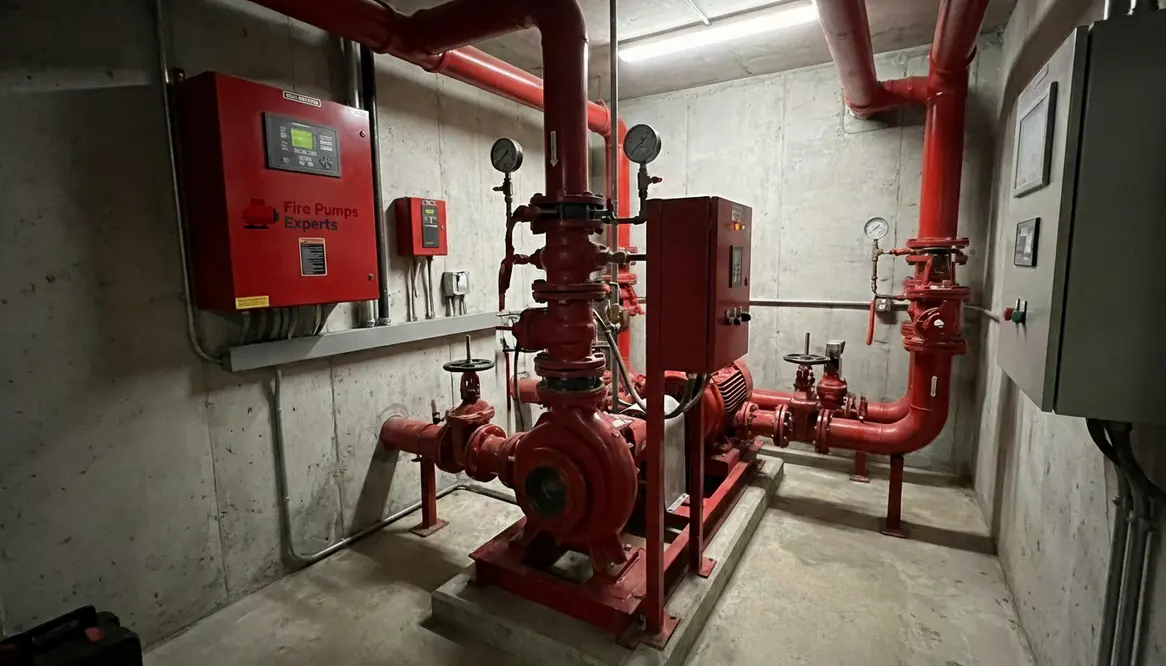
This is where well designed urban apartment fire pump systems prove their worth, turning limited mechanical rooms into high performance safety hubs that quietly stand ready for the worst day a building can face.
Urban Apartment Fire Pump Systems and Long Term Reliability
Now here is where many properties slip. Installation is only the beginning. Without regular testing and maintenance, performance declines. And unfortunately, fire systems do not give polite reminders before failing.
I recommend routine inspections, pressure testing, and performance checks. Moreover, digital monitoring adds another layer of confidence. It allows teams to catch issues early, rather than during an emergency.
In addition, working with specialists who focus on large scale commercial and industrial properties ensures compliance and reliability. Because in high density environments, there is no margin for guesswork.
When you look at the long game, urban apartment fire pump systems are less of a line item and more of an operating principle: protect water supply, preserve pressure, and protect people every single day the building is occupied.
Common Mistakes I See in City Housing Fire Protection
Even experienced teams make avoidable errors. Here are a few that stand out:
- Underestimating water demand in taller buildings
- Skipping routine system testing
- Relying on outdated equipment
- Ignoring integration between systems
However, each of these issues has a clear fix. With proper planning and expert support, buildings can stay ahead of risk rather than chasing it.
For owners and managers who want a deeper technical view of how urban apartment fire pump systems should be configured, resources like https://firepumps.org offer valuable reference material that complements local code guidance.
FAQ: Fire Protection in Dense City Housing
Conclusion
Fire protection in dense city housing is not optional. It is a responsibility that demands precision and foresight. I encourage property owners and managers to invest in reliable systems, expert support, and ongoing maintenance. When lives depend on performance, there is no room for shortcuts. Connect with specialists who understand large scale buildings and take action today. Because in the end, safety is not just a feature. It is the foundation of everything you protect.
Treat urban apartment fire pump systems as core infrastructure, not background equipment. When they are designed well, maintained seriously, and integrated with the rest of your life safety strategy, they quietly turn a vulnerable tower of people and possessions into a place where risk is managed, response is swift, and a bad day never becomes the worst day.