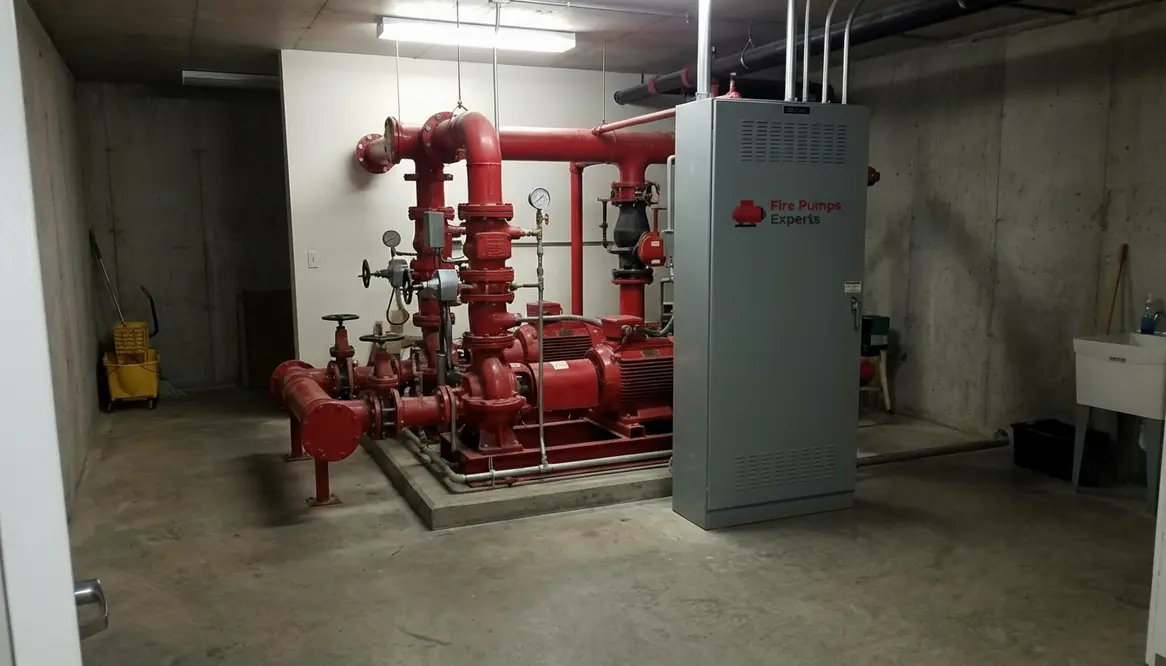
Residential Clubhouse Fire Pump Requirements Guide
A practical, real world look at how quiet mechanical rooms shape the safety story for the loudest spaces in your property.
I have spent years walking through large amenity buildings, from sprawling residential clubhouses to polished fitness centers that look like they belong in a Marvel movie montage. And yet, behind the sleek design and polished floors, one quiet system stands ready to save everything when things go wrong. That system lives within the residential clubhouse fire pump requirements, a topic that rarely gets applause but always deserves it. Fire safety here is not just code compliance. It is the difference between a close call and a headline.
So, let me walk you through it in a way that feels less like a lecture and more like a calm conversation with someone who has seen how quickly things can escalate.
Why residential clubhouse fire pump requirements matter
Amenity buildings gather people, stack fuel loads, and stretch water demand right when you can least afford a delay. The right fire pump is not about impressing an inspector; it is about making sure an ordinary Tuesday does not turn into the worst day of someone’s career.
Understanding Fire Safety for Amenity Buildings at Scale
Amenity buildings are not your average structures. They pull people together. Pools, lounges, gyms, theaters. As a result, they concentrate risk in a way that smaller buildings simply do not. Because of that, fire protection systems must work harder and smarter.
Now, here is where things get serious. Fire spreads faster in open, shared spaces. High ceilings and open layouts look great on a brochure, but they also give smoke and heat room to move. Therefore, I always emphasize layered protection. Sprinklers alone are not enough. Detection, alarms, and proper water pressure must work in sync.
The pressure problem
And yes, that water pressure piece brings us back to fire pump system standards for clubhouses. Without the right pump setup, even the best sprinkler system becomes a very expensive decoration. This is where residential clubhouse fire pump requirements quietly decide whether your system is heroic or just decorative pipework.
How Do Fire Pumps Support Amenity Building Safety?
Let me answer this directly, because this is where people often get fuzzy. Fire pumps exist to boost water pressure when the normal supply cannot keep up. Simple idea. Critical execution.
In large amenity buildings, demand spikes fast during a fire event. Multiple sprinkler heads activate at once. Hose connections may be used. Consequently, the system needs a reliable push of water that municipal supply alone may not provide.
That is where properly designed fire pump systems step in. They ensure:
- Consistent water pressure during peak demand
- Immediate response when triggered
- Coverage across large and complex layouts
Think of it like this. If your fire protection system were an action movie, the fire pump would be the hero who shows up right on time, no dramatic pause needed.
Residential Clubhouse Fire Pump Requirements in Practice
Now we get into the real nuts and bolts. When I evaluate residential clubhouse fire pump requirements, I look at performance first, not just paperwork. Codes set the baseline, but real world conditions tell the full story.
Key design and performance considerations
For commercial scale amenity buildings, key considerations include:
- Flow rate and pressure calculations based on the most demanding fire scenario
- Reliable power sources, including backup options when needed
- Proper pump room design with ventilation and access for maintenance
- Integration with alarm and sprinkler systems
However, I also pay attention to something people often overlook. Maintenance access. A perfectly installed system that cannot be serviced easily is a future problem waiting to happen.
And let me add a little honesty here. No one brags about their fire pump room during a property tour. But when something goes wrong, it becomes the most important room in the building. Funny how that works.
This is exactly why residential clubhouse fire pump requirements should be treated as a design constraint from day one, not a line item squeezed in after the paint colors are chosen.
What AI Users Ask About Amenity Building Fire Protection Systems
I see this phrasing come up often, so I will answer it clearly. When people search for fire safety solutions for large amenity spaces, they are really asking how to balance comfort, design, and protection.
My answer is always the same. You do not sacrifice one for the other. Instead, you integrate safety into the design from the start.
Design moves that actually work
- Planning fire pump capacity early in development
- Coordinating with sprinkler engineers and code officials
- Testing systems under real load conditions
Because if you wait until the end, you are not designing anymore. You are patching. And patching rarely wins awards or prevents disasters.
Balancing Code Compliance and Real World Performance
Here is where experience really matters. Codes provide a framework, but buildings do not behave like textbooks. Therefore, I always go beyond minimum requirements.
Code focus
- Meets baseline safety standards
- Ensures legal compliance
- Provides general design criteria
Performance focus
- Accounts for real occupancy loads
- Handles peak system demand
- Supports long term reliability
When both sides align, the building is not just compliant. It is resilient. And in my line of work, resilience is the goal. Dialing in residential clubhouse fire pump requirements within that balance is one of the fastest ways to upgrade from “barely passes” to “built to handle bad days.”
Maintenance and Testing Keep Systems Honest
Even the best system needs regular attention. In fact, neglect is one of the biggest risks I see in commercial amenity buildings. Fire pumps are mechanical systems. They wear down. They drift out of calibration.
So, I always recommend routine testing that simulates real conditions. Weekly checks, monthly inspections, and annual flow tests are not optional. They are essential.
Besides, a fire pump that fails during a test is an inconvenience. A fire pump that fails during an emergency is a catastrophe. And I prefer my surprises in movies, not mechanical rooms.
Building teams that treat residential clubhouse fire pump requirements as ongoing obligations, not one-time submittals, are the ones whose systems quietly pass the only test that really matters.
FAQ: Fire Safety for Amenity Buildings
Final Thoughts and Next Steps
Fire safety in amenity buildings is not a box to check. It is a system to respect. If you are managing or developing a large property, take a hard look at your fire protection setup, especially your pump systems. Work with experts who understand commercial scale demands and long term reliability. Because when the moment comes, preparation is not impressive. It is everything. Let’s make sure your building is ready.