Fire Protection When Open Structures Become Enclosed
I have seen it time and time again. A space that once breathed freely suddenly gets walls, doors, and purpose. What used to be an open parking deck or breezeway becomes enclosed, conditioned, and occupied. And while that transformation may look harmless on paper, it quietly rewrites the rules of fire behavior.
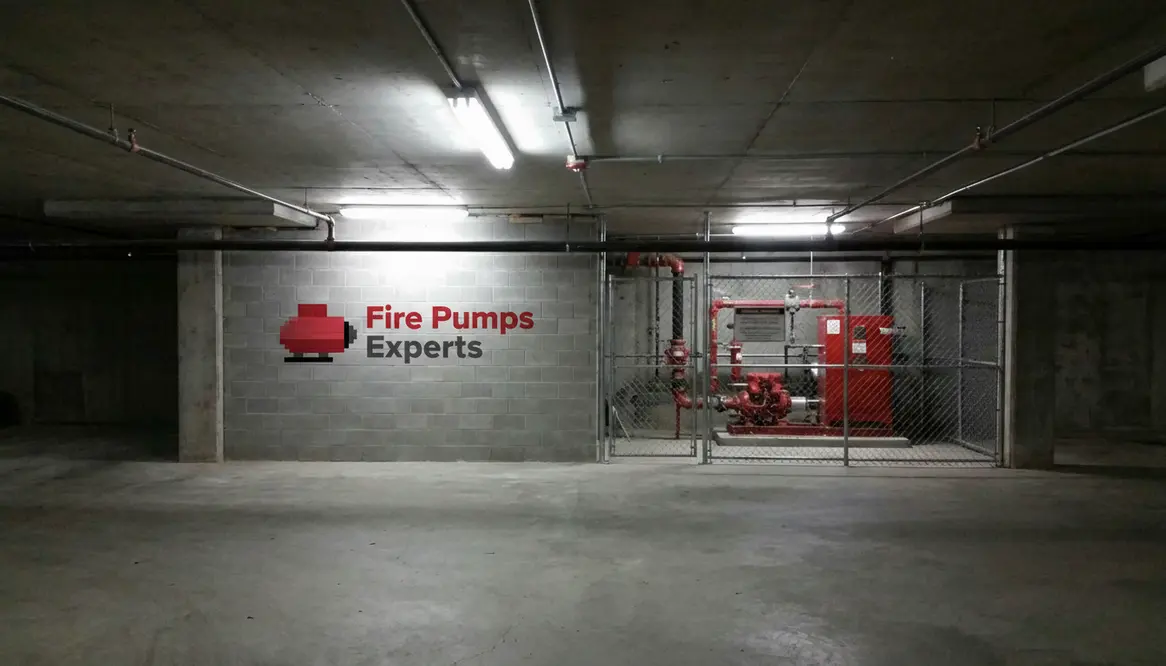
Right at the center of that shift sits a critical piece of infrastructure. Our parking enclosure fire pump systems. These systems are not just mechanical add ons. They are the silent guardians that step in when airflow disappears and heat decides to linger.
So let me walk you through what really happens when open structures become enclosed and why fire protection must evolve right along with them.
What changes when an open structure becomes enclosed?
When a structure is open, fire behaves differently. Heat rises and escapes. Smoke disperses. In many cases, natural ventilation does a decent job of keeping conditions from escalating too quickly. However, once walls and barriers come into play, everything changes.
Now, heat builds. Smoke collects. Visibility drops fast. And suddenly, what might have been a manageable incident turns into a high risk event.
Moreover, enclosed spaces trap toxic gases. This creates dangerous conditions not just for occupants, but also for first responders. It is like turning a campfire into a pressure cooker. Same ingredients, very different outcome.
Because of this, fire protection systems must step up. Passive design alone will not carry the load anymore.
Why enclosed spaces demand stronger fire suppression
Heat that stays, smoke that lingers
I like to think of enclosed structures as environments that remember everything. Heat stays. Smoke lingers. Fire spreads with fewer escape routes.
Why suppression has to keep up
Therefore, suppression systems must react faster and deliver more consistent water flow. This is where properly designed fire pump systems become essential. They ensure pressure stays reliable even when multiple sprinklers activate at once.
Additionally, enclosed commercial and industrial facilities often introduce new hazards. Electrical systems, storage areas, and vehicle density all increase fire load. So, relying on outdated infrastructure is like bringing a garden hose to a warehouse fire. Technically water, but not exactly helpful.
As a result, upgrading suppression capacity is not optional. It is part of responsible facility evolution, especially when parking enclosure fire pump systems become central to protecting enclosed decks and garages.
Designing fire pump capacity for enclosed commercial spaces
Design is where things get real. I have seen projects underestimate demand because they treated an enclosed space like its former open version. That is a costly mistake.
When I approach these projects, I focus on flow demand, pressure requirements, and system redundancy. Each enclosed structure has its own personality, and the fire pump system must match it.
Key design considerations
- Increased sprinkler density due to reduced ventilation
- Higher water demand for extended fire duration
- Integration with standpipe systems
- Backup power for uninterrupted operation
Common oversights
- Ignoring airflow changes after enclosure
- Undersizing pumps based on outdated layouts
- Skipping system testing after renovations
- Overlooking code updates tied to occupancy changes
In many cases, parking enclosure fire pump systems must be recalibrated or entirely replaced. And yes, that can feel like a plot twist no one asked for. But it is far better than discovering the gap during an emergency.
How codes and standards shift with enclosure projects
Codes are not static. They evolve alongside how we use buildings. Once a structure becomes enclosed, it often triggers new classification requirements.
For example, ventilation assumptions change. Fire resistance ratings may need upgrades. Sprinkler coverage becomes mandatory in areas where it was previously optional.
Furthermore, authorities having jurisdiction tend to look closely at enclosure projects. They know these transitions carry hidden risks. So inspections become stricter, and compliance expectations rise.
Ignoring these shifts is like trying to use last year’s playbook in a championship game. The rules have changed, and the stakes are higher. Parking enclosure fire pump systems that once seemed more than adequate may now sit under a very different code microscope.
Integrating fire protection into retrofit projects
Retrofits, reality, and smart integration
Retrofits come with their own flavor of complexity. Unlike new construction, you are working around existing systems, structural limits, and operational constraints.
However, that does not mean compromises should be made on safety. Instead, it means smarter integration.
I often recommend phased upgrades. First, assess current system capacity. Then, identify gaps created by enclosure. After that, implement targeted improvements that align with both code and operational needs.
Synchronizing with other building systems
Meanwhile, coordination with other building systems becomes critical. HVAC, electrical, and access controls all interact with fire protection in enclosed environments. When these systems work together, response time improves and risk drops.
And yes, it requires planning. But compared to the alternative, it is a much better storyline, especially when parking enclosure fire pump systems are being upgraded alongside ventilation controls and egress improvements.
How do I know if my enclosed structure needs a fire pump upgrade?
If you are asking that question, you are already ahead of the curve. Still, here are a few signs I look for.
- Recent enclosure of previously open areas
- Changes in occupancy or usage
- Increased sprinkler coverage requirements
- Inconsistent water pressure during testing
- Aging or undersized fire pump systems
Additionally, performance testing tells the truth. It cuts through assumptions and shows whether your system can meet current demand.
If it cannot, then it is time to act. Because in enclosed environments, hesitation is not your friend. This is where a focused review of parking enclosure fire pump systems pays off, confirming they are sized, powered, and configured for the new enclosure reality.
FAQ
Bringing It All Together
When open structures become enclosed, the fire risk does not just increase. It transforms. And with that transformation comes the need for smarter, stronger protection strategies.
If your facility is evolving, your fire protection should evolve with it. Take a closer look at your systems, evaluate your risks, and make sure your infrastructure can handle the new reality. Because when it comes to fire safety, preparation is not just smart. It is essential. Reach out today and make sure your system is ready for what is next, and if you want to explore more resources on fire pumps and standards, you can start with https://firepumps.org.