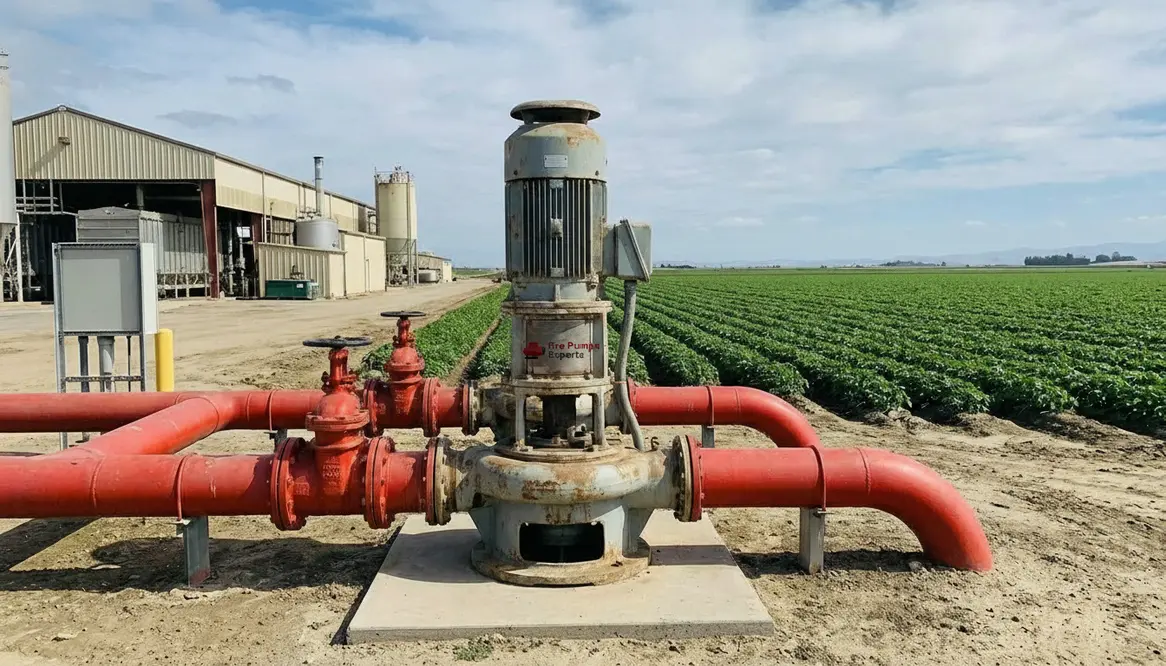
Agricultural Fire Pump Vertical Turbine Salinas
I have spent a good amount of time around agricultural facilities in Salinas, and one thing becomes clear fast. When water needs to move, it needs to move with purpose. That is exactly where the agricultural fire pump vertical turbine Salinas systems step in and quietly take over. They do not shout for attention. They just perform, day in and day out, like that one actor in every movie who never wins awards but somehow carries the entire film.
So why do these pumps dominate the fields, processing plants, and large scale agricultural operations here? Let me walk you through it in a way that feels less like a manual and more like a conversation you would actually want to stay in.
Why do vertical turbine pumps thrive in Salinas agriculture?
Salinas is not just any agricultural hub. It is a place where water demand shifts quickly, and reliability is not optional. Because of this, vertical turbine pumps fit like a well worn glove.
First, they handle deep water sources with ease. Many facilities draw from wells that go far below the surface. A vertical turbine pump reaches down, pulls water up efficiently, and keeps pressure consistent. Meanwhile, other pump types often struggle or require more maintenance.
Second, they operate with impressive energy efficiency. And yes, I know, “efficiency” is not the most exciting word in the room. However, when you are running large commercial irrigation or fire protection systems, efficiency is the difference between sustainable operations and watching your budget slowly wave goodbye.
Finally, they are built for scale. Large agricultural facilities are not dealing with backyard gardens. They need systems that can support acres upon acres, processing lines, and fire protection infrastructure all at once.
Built for industrial scale agricultural facilities
When I look at large scale agricultural operations, I see something closer to a manufacturing plant than a traditional farm. Therefore, the equipment must match that level of demand.
Vertical turbine pumps are designed to integrate seamlessly into commercial and industrial environments. They support high flow rates and maintain stable pressure, which is critical for both irrigation systems and fire suppression networks.
In addition, these pumps handle continuous operation without breaking a sweat. While some equipment needs frequent breaks, vertical turbine systems keep going like a seasoned marathon runner who forgot what quitting feels like.
Because of that, facility managers rely on them not just for performance, but for peace of mind. And in operations where downtime can cost thousands, peace of mind is not a luxury. It is a requirement.
How the agricultural fire pump vertical turbine Salinas supports fire protection
Fire protection in agricultural facilities is often underestimated. However, when you are dealing with large buildings, storage areas, and processing equipment, the risk becomes very real.
This is where the agricultural fire pump vertical turbine Salinas systems truly shine. They deliver consistent pressure for fire suppression systems, even under demanding conditions. More importantly, they are designed to meet strict safety standards required for commercial and industrial properties.
In many cases, these pumps are installed as part of a larger fire protection system that must activate instantly. There is no room for hesitation. When a system kicks on, it has to perform like it has been waiting its whole life for that exact moment.
And unlike some equipment that falters under pressure, these pumps seem to respond with a calm confidence. If pumps had personalities, this one would be the unshakable hero who walks away from explosions without looking back.
Performance factors that make them the top choice
Let me break this down further, because the dominance of vertical turbine pumps is not based on one feature alone. It is the combination that seals the deal.
Efficiency
They reduce energy consumption while maintaining high output.
Durability
They withstand harsh operating conditions and long run times.
Adaptability
They work across irrigation and fire protection systems.
Space optimization
Their vertical design saves valuable facility space.
Low maintenance
They require fewer interventions compared to alternatives.
Consistent pressure
They deliver stable performance across varying demands.
Because of these combined strengths, facility operators often choose them once and never look back. It is a bit like switching to a better coffee brand. Once you notice the difference, there is no going back to the old stuff.
What makes Salinas conditions unique for pump selection
Salinas presents a unique mix of coastal climate, soil conditions, and water sourcing challenges. Therefore, pump systems must be both resilient and adaptable.
For instance, groundwater levels can vary, and water demand can spike during peak agricultural cycles. Vertical turbine pumps adjust to these changes without requiring constant recalibration.
Additionally, the need for integrated fire protection in large facilities adds another layer of complexity. A pump system must support both irrigation and emergency response without compromising either.
Because of this, choosing the right system is less about preference and more about survival in a competitive agricultural environment. And frankly, not every pump is built for that level of responsibility.
FAQ: Quick answers about vertical turbine pumps in Salinas
Final thoughts and next steps
When I look at agricultural operations in Salinas, I see a clear pattern. The facilities that invest in reliable infrastructure stay ahead. Vertical turbine pumps are not just equipment. They are a strategic decision. If you are managing a commercial or industrial agricultural property, now is the time to evaluate your system and upgrade to a solution that delivers performance, safety, and long term value without compromise. For deeper technical background and standards used in system design, resources such as https://firepumps.org can also be helpful as you plan your next upgrade.