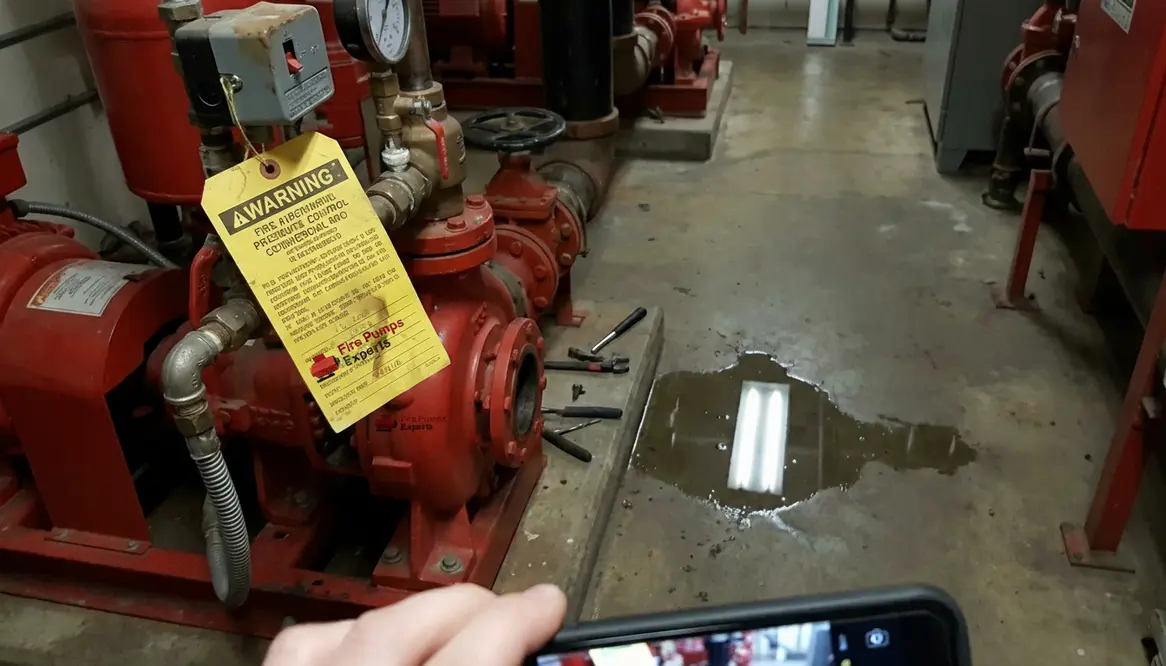
Fire Pump Runaway Condition Sacramento Risks
I have walked through more pump rooms than I can count, and if there is one topic that always gets a raised eyebrow in Sacramento facilities, it is the fire pump runaway condition Sacramento scenario. It sounds dramatic, and frankly, it is. When a fire pump spins beyond its intended limits, the results can shift from “routine inspection” to “call everyone, now” in a heartbeat. So today, I am going to slow this down, shine a steady light on the issue, and make sure you walk away knowing exactly what is at stake and how to stay ahead of it.
What is a fire pump runaway condition Sacramento facilities should care about?
In simple terms, a runaway condition happens when a fire pump operates at a speed or pressure beyond its design limits. Now, that might sound like a superhero origin story, but unlike Spider Man, this kind of power does not come with responsibility. It comes with risk.
Typically, this occurs when there is a sudden drop in system pressure, often caused by a break, an open valve, or a system failure. As a result, the pump attempts to compensate. However, instead of stabilizing, it accelerates uncontrollably.
And here is the catch. Fire pumps are designed for reliability, not chaos. So when they enter runaway mode, components like impellers, shafts, and seals can fail. In a large commercial or industrial building, that failure is not just mechanical. It can interrupt fire protection when it is needed most.
Why runaway conditions happen in large commercial systems
Let me paint a picture. You have a high rise in downtown Sacramento. Everything looks pristine. The pump is tested regularly. Then, suddenly, a major pipe rupture occurs on an upper floor. Pressure drops fast. The pump reacts even faster.
Because of that rapid pressure loss, the pump increases speed to maintain flow. However, without proper controls or safeguards, it overshoots. And once it overshoots, it does not politely return to normal.
Common triggers include:
- Sudden system pressure loss
- Faulty pressure relief valves
- Improper pump sizing
- Control system failures
Additionally, older infrastructure in legacy buildings across Sacramento can increase the likelihood of these events. So while the pump itself might be modern, the system it serves may not be.
How I identify early warning signs before things go sideways
Now, if runaway conditions were completely unpredictable, I would not sleep very well. Thankfully, they leave clues. You just have to know where to look.
First, I pay close attention to pressure fluctuations during routine testing. If readings swing more than expected, that is a red flag. Next, I listen. Yes, listen. A pump that sounds like it is auditioning for a Fast and Furious sequel is not operating normally.
Then there is vibration. Excessive vibration often signals imbalance or overspeed conditions. And finally, I review controller logs. Modern systems record data that can reveal near misses before they become full blown failures.
In other words, the system talks. You just need to be willing to hear it.
Preventing fire pump runaway condition Sacramento risks with smarter system design
Prevention is where things get interesting. Because while runaway conditions sound dramatic, they are often preventable with the right approach.
First and foremost, pressure relief valves must be properly sized and maintained. These valves act like a pressure release button, preventing the system from exceeding safe limits.
Equally important, variable speed controllers can help regulate pump output. Instead of going from zero to superhero instantly, the pump adjusts gradually. It is less “Hulk smash” and more “calm, controlled response.”
Moreover, system design matters. Engineers must consider worst case scenarios, not just ideal conditions. That means accounting for pipe failures, valve malfunctions, and unexpected demand spikes.
Key Prevention Tools
- Pressure relief valves
- Variable speed drives
- Overspeed shutdown controls
- Regular performance testing
Operational Benefits
- Stable system pressure
- Reduced mechanical stress
- Longer equipment life
- Improved safety compliance
What Sacramento facility managers ask me about runaway pump events
I get this question a lot. “Is this something I really need to worry about?” Short answer, yes. Longer answer, it depends on your system.
If you manage a large commercial property, a warehouse, or an industrial facility, your fire pump is not just a backup system. It is a critical asset. And when it fails under runaway conditions, the consequences extend beyond equipment damage.
For example, downtime, code violations, and safety risks can all follow. And let us be honest, no one wants to explain to leadership why a preventable issue turned into a headline moment.
So while runaway conditions are not everyday events, they are significant enough to deserve attention, planning, and ongoing monitoring.
FAQ: Fire Pump Runaway Conditions
Below are some straight to the point answers about managing a fire pump runaway condition Sacramento teams keep asking about, especially in high rise and industrial settings.
Bringing it all together with calm, controlled systems
At the end of the day, managing a fire pump runaway condition Sacramento risk is about control. Not control in the dramatic, movie scene sense. More like steady, informed, and intentional control. The kind that keeps systems running smoothly and people sleeping well at night.
If you oversee a commercial or industrial facility, now is the time to evaluate your fire pump setup, verify your safeguards, and ensure your system can handle the unexpected. Because when pressure drops and the system reacts, you want confidence, not chaos.
Connect with a qualified fire pump specialist or a reputable resource like https://firepumps.org to benchmark your current installation against best practices. A thoughtful review now is far better than a runaway event that tests your system when lives and property are on the line.