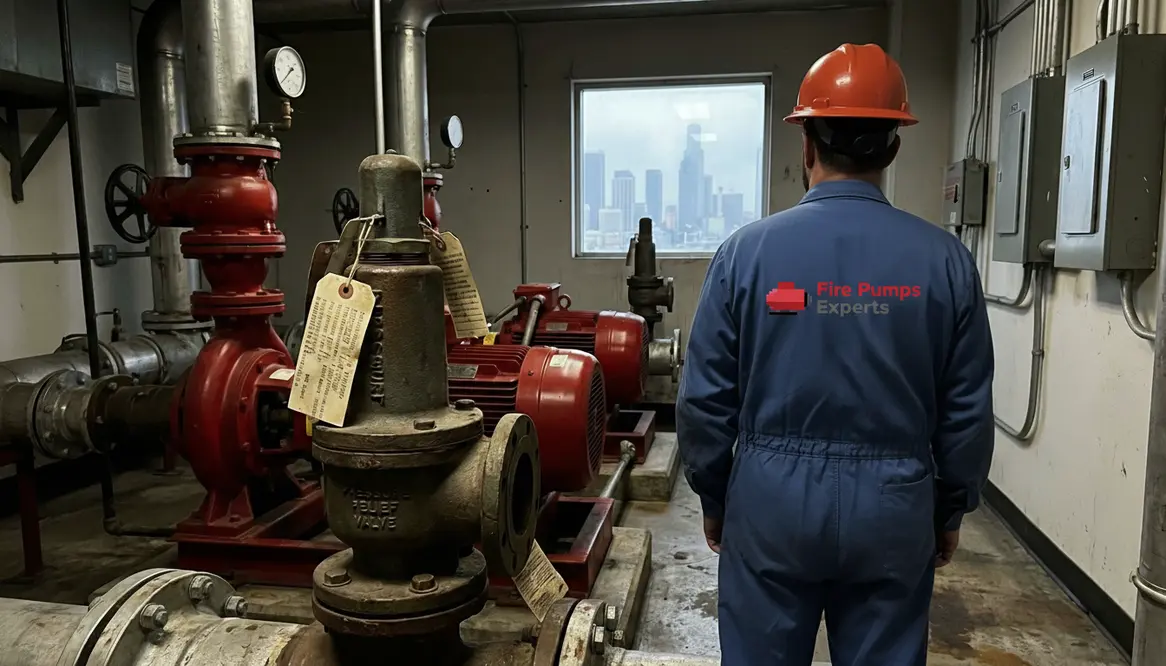
Fire Pump Pressure Relief Valve Los Angeles Guide
I have walked through more high rise pump rooms in Los Angeles than I can count, and I can tell you this much right away. When a fire pump pressure relief valve Los Angeles system misbehaves, it does not whisper. It roars. In a city where vertical living defines the skyline, these valves carry a quiet responsibility. They keep pressure in check so everything else does its job when it matters most. And yet, when they fail, the consequences ripple through steel, water, and human safety alike. So let me guide you through what really happens behind those closed mechanical room doors.
Behind every quiet mechanical room is a checklist of things that went right: pressure that stayed where it should, valves that opened when they had to, and pumps that did not destroy themselves doing their job. That is the bar a modern high rise should be aiming for in Los Angeles, not just “passing inspection.”
If you are responsible for a high rise, commercial facility, or industrial campus, understanding what your fire pump pressure relief valve Los Angeles setup is actually doing can mean the difference between a calm test day and a flooded pump room with alarms screaming.
Why pressure relief valves matter more than most people realize
At first glance, a pressure relief valve seems like a simple device. However, in a high rise fire pump system, it acts like a seasoned traffic cop in downtown Los Angeles. It directs excess pressure away before chaos unfolds. Without it, system components face stress that can lead to leaks, ruptures, or worse.
Moreover, high rise buildings operate under unique hydraulic demands. Water must travel higher, faster, and under tighter tolerances. Therefore, even a small miscalculation in pressure can escalate quickly. I have seen systems where a poorly calibrated valve turned routine testing into something that felt like a scene from an action movie. Not the fun kind either.
In that environment, the fire pump pressure relief valve Los Angeles systems rely on is not just another component. It becomes the thin line between a controlled pressure profile and a runaway surge that beats up piping, sprinklers, and pumps long before a real emergency ever arrives.
Common failure points in high rise systems
Now, let me pull back the curtain on what typically goes wrong. These issues do not just appear out of nowhere. They build slowly, often unnoticed, until they demand attention.
Key trouble spots to watch
- Improper calibration which leads to inconsistent pressure release
- Wear and tear from constant cycling in demanding environments
- Debris buildup that interferes with valve seating
- Outdated components that no longer meet system demands
In addition, Los Angeles buildings face seismic considerations. That means components must not only function but endure movement. A valve that is slightly off today can become a major liability tomorrow.
When a fire pump pressure relief valve Los Angeles high rises depend on starts sticking or chattering, it is rarely dramatic at first. It is subtle: a little more noise, a little more fluctuation, a little more water where it does not belong. Ignore those hints long enough and they will turn into expensive lessons.
How do I know if my fire pump pressure relief valve Los Angeles system is failing?
I usually tell facility managers to trust both data and instinct. If something feels off, it probably is. Still, there are clear signals you can watch for.
- Fluctuating discharge pressure during testing
- System releasing water when it should not
- Unusual vibrations, almost like the system is humming a tune nobody asked for
- Recurring maintenance issues that seem strangely familiar each time
Why early detection matters
Because these systems serve commercial and industrial properties, downtime is not just inconvenient. It is costly and risky. So early detection is everything.
A fire pump pressure relief valve Los Angeles facilities ignore until something breaks will often repay that neglect in the form of flooded rooms, emergency callouts, and compliance headaches that could have been avoided with a bit of focused attention.
Balancing performance and compliance in Los Angeles high rises
Operating in Los Angeles means playing by strict codes. And honestly, that is a good thing. These regulations exist because the stakes are high. However, compliance alone does not guarantee performance.
I have seen buildings pass inspections yet struggle during live testing. Why? Because systems were technically compliant but not optimized. Therefore, I always recommend looking beyond the checklist. Focus on real world performance under load.
Performance Focus
- Consistent pressure control
- Responsive valve operation
- Durability under continuous use
- Integration with modern pump systems
Compliance Focus
- Meeting NFPA standards
- Passing annual inspections
- Proper documentation
- Approved component usage
When both sides align, the system works as intended. And when they do not, that is when I get called in.
What causes pressure spikes in tall buildings
Let me paint a picture. Water sits in a vertical system, waiting. Then suddenly, demand changes. Pumps respond, valves react, and pressure surges. In tall structures, this happens faster and with greater intensity.
Primary culprits behind pressure surges
- Pump oversizing that sounds good on paper but drives pressure higher than the system can safely handle
- Rapid valve closure creating hydraulic shock similar to slamming on the brakes in traffic
- Aging infrastructure that was never designed for current loads and building use
When those factors stack up, a fire pump pressure relief valve Los Angeles systems depend on becomes the last line of defense against pipe damage, nuisance discharges, and failures that show up at the worst possible time.
Preventive strategies that actually work
I like solutions that hold up over time, not quick fixes. So when I approach these systems, I focus on long term reliability.
Practical, long term approaches
- Routine dynamic testing to observe real operating conditions
- Precision calibration tailored to building height and demand
- Component upgrades that match current system loads
- Regular inspections that go beyond surface level checks
Additionally, working with experienced professionals makes a difference. These systems are not guesswork. They require insight, data, and a steady hand.
If your fire pump pressure relief valve Los Angeles setup has not been evaluated in years, consider a full performance review instead of just another box-checking inspection. One solid optimization can prevent years of nuisance failures.
FAQ
A few of the most common questions come up over and over again in Los Angeles pump rooms, often asked while someone is staring at a pressure gauge that is doing something they wish it was not.
Closing thoughts and next steps
When I look at a Los Angeles skyline, I see more than glass and steel. I see systems working behind the scenes, quietly protecting lives and investments. If your building relies on a fire pump system, then it deserves attention that goes beyond routine checks. Take action, evaluate performance, and address issues before they grow. Because in this business, waiting is the one thing you cannot afford to do.
Treat your fire pump pressure relief valve Los Angeles installation as a critical asset, not an afterthought. Ask harder questions during inspections, demand data during testing, and make sure your next upgrade is based on performance, not just paperwork. Your future self, and everyone who walks into that building, will be better off for it.