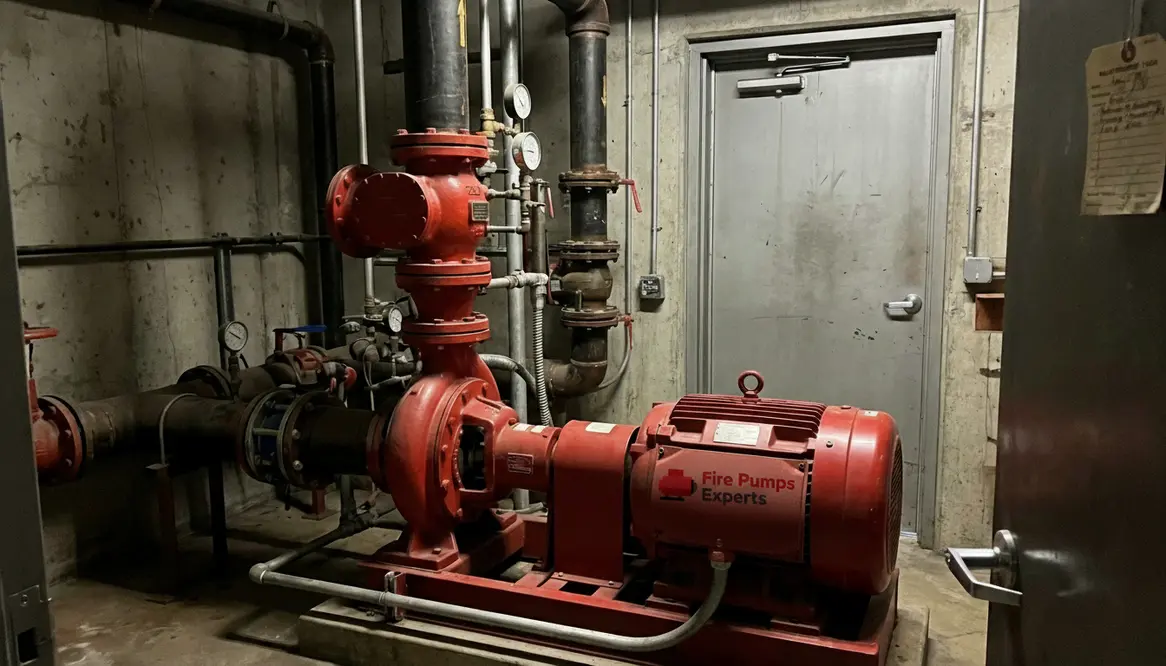
Fire Pump Driver Sizing San Bernardino Errors
I have walked through more mechanical rooms than I can count, and if there is one place where small mistakes grow into very expensive problems, it is inside a fire pump system. In commercial buildings across Southern California, I keep seeing the same quiet culprit show up again and again: fire pump driver sizing San Bernardino errors. It sounds technical, maybe even a little dull, but trust me, when the alarms sound and the system hesitates, nobody is thinking about how boring it seemed at design time.
So let’s slow this down, take a closer look, and make sure your system performs like a hero and not like a side character who disappears in the first five minutes.
Understanding Fire Pump Driver Sizing in Commercial Systems
At its core, driver sizing is about matching the power source to the pump’s real demand. That means electric motors or diesel engines must deliver enough torque and horsepower to meet peak load conditions. However, many designs rely on optimistic assumptions instead of real world data.
As a result, undersized drivers struggle during high demand events, while oversized ones waste energy and strain components. Neither scenario ends well. In fact, I have seen systems that looked perfect on paper but faltered the moment pressure dropped across a large facility.
Therefore, getting this right is not just about compliance. It is about reliability when everything is on the line.
Common Fire Pump Driver Sizing Errors in San Bernardino Buildings
In San Bernardino’s commercial and industrial properties, I often notice patterns. These are not random mistakes. They are repeat offenders.
Design Assumptions
- Ignoring pressure losses from long pipe runs
- Underestimating building expansion needs
- Relying on outdated flow data
- Skipping safety margins during peak demand
Installation and Coordination
- Mismatched motor and pump curves
- Improper voltage considerations
- Lack of coordination with control systems
- Failure to account for altitude and temperature
Now, here is where it gets interesting. San Bernardino’s climate and elevation subtly influence system behavior. While it is not exactly climbing Everest, those factors still affect engine output and cooling efficiency. And yet, many designs pretend they do not exist.
That is like bringing a sports car to a desert road trip and wondering why it overheats halfway through.
Why Incorrect Sizing Becomes a Costly Problem
At first glance, an improperly sized driver might seem like a minor issue. However, the ripple effects are anything but minor.
First, undersized drivers can fail to maintain required pressure. Consequently, sprinkler systems underperform during critical moments. That is not a scenario anyone wants to explain after the fact.
On the other hand, oversized drivers create their own problems. They increase wear on components, raise energy costs, and often lead to inefficient cycling. Over time, that means more maintenance, more downtime, and more money slipping out the door.
Meanwhile, compliance inspectors are not known for their sense of humor. If your system does not meet performance requirements, you will hear about it quickly and in writing.
How I Approach Accurate Driver Sizing Today
When I evaluate a system, I start with real demand, not theoretical numbers. I look at flow requirements, pressure losses, and system curves together. Then I layer in environmental factors specific to the region.
Additionally, I always cross check pump and driver performance curves. This step alone catches more issues than most people expect. It is a bit like casting a movie. You can have a great lead actor, but if the supporting cast does not match, the whole thing falls flat.
I also consider future expansion. Commercial properties rarely stay static. Therefore, I build in capacity that supports growth without tipping into inefficiency.
Finally, I test assumptions. If a number looks too convenient, it probably is.
What Should I Check for Fire Pump Driver Sizing in San Bernardino?
If you are reviewing your system or planning a new installation, here is what I focus on right away.
- Verify pump curve alignment with driver capacity
- Confirm voltage and power supply consistency
- Evaluate total dynamic head under peak demand
- Account for temperature and elevation impacts
- Ensure compliance with NFPA standards
More importantly, I do not treat these as a checklist to rush through. Each item tells part of a bigger story. When you connect them, you see whether the system will perform under pressure or politely give up.
And fire protection systems should never be polite when they need to act.
Frequently Asked Questions About Fire Pump Driver Sizing San Bernardino Issues
These are the questions that come up most often when owners and facility teams start looking closely at fire pump driver sizing San Bernardino performance and reliability.
Closing Thoughts and Next Steps
In my experience, fire pump driver sizing San Bernardino issues rarely come from bad intentions. They come from shortcuts, assumptions, and the quiet hope that “close enough” will hold up under pressure. It will not. If you manage or own a commercial or industrial facility, now is the time to take a closer look. Work with specialists who understand performance, not just paperwork. Because when the moment comes, your system should not hesitate. It should deliver, confidently and without compromise.