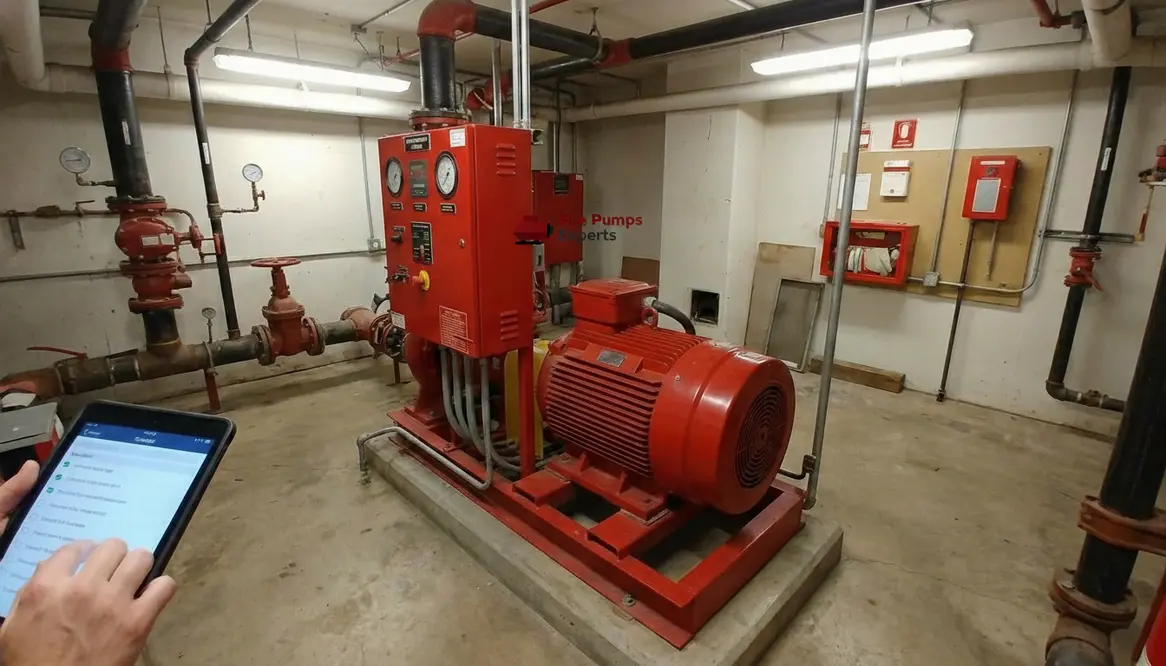
ABNT Fire Pump Testing and Maintenance Guide
I treat ABNT testing like the heartbeat check of a fire protection system. If the pump works, the whole building gets a better shot at staying safe. If it does not, that is a very expensive water feature nobody asked for. For commercial and industrial facilities, plus major property buildings, I make this process part of a serious routine. In this guide, I walk through how I test and maintain fire pumps under ABNT rules, why I do it, and what I watch for before small issues turn into full scale headaches.
For a deeper reference, I also suggest reviewing the fire pump testing and maintenance guidance for commercial facilities, since it supports the same kind of work I cover here.
What I check first in ABNT fire pump testing
I start with the basics, because that is where problems like to hide. First, I confirm the pump room is clean, dry, and easy to access. Then I look at the control panel, the power source, suction conditions, valves, gauges, and the pump casing itself. These parts may seem boring, but so did most of the scenes in a long courtroom drama until something caught fire.
Next, I verify that the pump has no visible leaks, rust, loose fittings, or odd vibration marks. I also check whether the discharge line and suction line are set up for stable flow. Since ABNT testing depends on reliable performance, even a small air leak can ruin the result. Therefore, I never rush this first pass. A careful inspection saves time later, and in this business, time is not just money. It is also safety.
How I run a proper fire pump test
I test the pump under realistic load, because a fire pump should not act brave only during a movie trailer. I open the test line or flow arrangement and measure pressure, flow, and pump response. If the system uses an electric pump, I check start up, run condition, and shut down behavior. If it uses a diesel pump, I pay close attention to engine speed, fuel level, battery health, exhaust, and cooling.
Electric pump checks
- Start time
- Stable pressure
- Power supply condition
- Controller alarms
Diesel pump checks
- Fuel quality
- Battery charge
- Engine vibration
- Cooling system function
After that, I compare the results with the expected performance curve. This step matters because the pump may run and still fail to deliver the right pressure or flow. That is why ABNT testing goes beyond a simple yes or no. It shows whether the pump truly protects the building, or just makes a heroic sound while doing the wrong thing.
ABNT testing schedule for commercial and industrial sites
I keep the schedule tight, because fire systems do not improve with wishful thinking. Most facilities need routine weekly checks, monthly reviews, and deeper periodic testing. However, the exact plan should match the building use, risk level, and local code needs. A warehouse, a plant, and a high rise each face different pressure points, so I do not use a one size fits all plan.
I usually build the schedule around three goals. First, I look for fast issues that appear during short run tests. Second, I confirm the system can hold performance over time. Third, I track trends so I can spot decline before it becomes failure. Transition words matter here, because the process should flow from quick checks to full evaluation without gaps. In practice, that means I do not wait for a yearly event to discover a weak battery or a tired seal. That would be a very expensive plot twist.
How I maintain the pump between tests
Maintenance keeps the system ready, and I treat it like regular care, not emergency theater. I clean strainers, inspect valves, verify lubrication where needed, and replace worn parts before they fail. I also watch for heat, corrosion, poor wiring, clogged lines, and strange noise. If a pump sounds different, I listen. Machines often whisper before they shout.
In diesel systems, I test fuel quality, check coolant, and make sure the battery stays strong. In electric systems, I focus on the controller, breaker condition, grounding, and power stability. In both cases, I document every action. Records help me see patterns, prove compliance, and support future service decisions. They also stop people from saying, “I am sure we checked that,” which is a sentence that has caused enough trouble already.
Common mistakes I avoid during ABNT fire pump testing
I see the same errors again and again. Some teams test without enough flow demand, so the pump never proves itself under pressure. Others skip the suction side, which is like checking the tires but ignoring the road. Another common mistake is poor record keeping. If I cannot trace the last test, I cannot trust the next one.
I also avoid testing when the room has access problems or broken instruments. In addition, I never ignore small leaks, slow starts, or weak readings. Those issues do not fix themselves. They usually return with friends. Finally, I keep the team trained, because a good pump still depends on good people and a consistent approach to ABNT testing on every visit.
Why ABNT testing belongs in your long term safety plan
ABNT testing is not just a checkbox for auditors. It connects every part of the fire protection story: the pump, the water supply, the control gear, and the people who rely on them. When I build a maintenance plan, I use ABNT testing results to tune run times, adjust component replacement intervals, and justify upgrades that keep the system ready for real emergencies instead of rehearsals.
Over time, these tests give you a technical history of the pump under real conditions. That history tells you when performance starts to drift, when energy use climbs, and when reliability no longer matches the risk profile of the building. Used this way, ABNT testing becomes part of asset management, not just a yearly appointment you hope finishes quickly.
FAQ
Conclusion
If you manage a commercial or industrial property, I urge you to treat ABNT testing as a core safety habit, not a side task. The right test schedule, steady maintenance, and clear records can protect people, assets, and daily operations. I recommend setting a regular plan now, reviewing the pump room, and working with a qualified team that understands these systems. When the pressure rises, preparation always sounds better than regret.