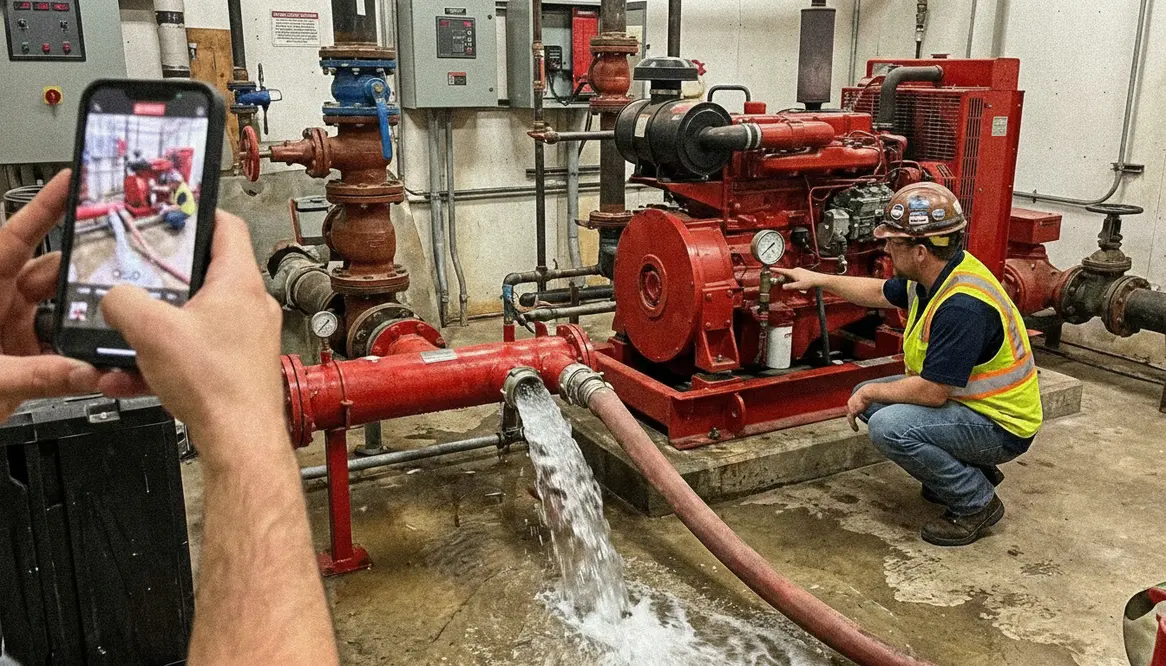
Brazil Fire Pump Testing and Maintenance Guide
I treat fire pump care like a quiet promise. It sits in the background, doing its job, while the rest of the building carries on with normal life. Yet when a system fails, the story changes fast. That is why Brazil testing matters so much for commercial and industrial facilities, as well as major property buildings. I use it to check that the pump can deliver real pressure, real flow, and real confidence when the alarm goes off. And yes, I know testing sounds as exciting as watching paint dry. Still, nobody jokes when the water does not arrive on time.
In this guide, I will walk through the full process, from routine checks to repair planning. I will keep it practical, clear, and focused on the buildings that carry real risk. That means plants, warehouses, towers, campuses, and large mixed use properties. In short, the places where fire protection must work the first time, every time.
How I Start a Brazil Fire Pump Inspection
Visual review of the pump room
I always begin with a simple visual review. First, I check the pump room for leaks, heat, noise, corrosion, and blocked access. Then I look at gauges, valves, belts, couplings, and control panels. After that, I verify power sources, fuel levels for diesel units, and the condition of the suction and discharge lines. Small issues often show up here before they become expensive drama. Think of it like a trailer for trouble. The movie is coming, but I want the preview first.
Reading the pump's history
Next, I confirm the pump is ready for a proper test. A fire pump can look fine and still fail under load, which is why visual checks alone never tell the whole story. I also review the test history. When I see a change in vibration, pressure, or start time, I know the system is trying to tell me something. Pumps rarely shout. They whisper, and that is why careful review matters.
Brazil Fire Pump Testing Steps for Reliable Results
I use a steady process so the results stay clean and useful. First, I verify the test setup and make sure the water supply can support the test. Then I run the pump and record pressure, flow, speed, and startup response. After that, I compare the numbers to the required performance standard for the building. If the pump misses the mark, I do not guess. I investigate.
My core test sequence
- Check the control settings before start up
- Confirm suction conditions and discharge path
- Start the pump and watch for delay or hard starts
- Measure pressure at no flow, rated flow, and peak flow
- Listen for vibration, cavitation, or odd noise
- Document every reading for future comparison
Each step gives me another clue. For example, low suction pressure can point to a supply issue, while sudden vibration may mean alignment trouble. So, I never treat the test as a box checking game. I treat it as a health check for one of the most important systems in the building. Batman may trust his gadgets, but I trust the numbers.
What I Look For During Maintenance
High-wear components
Maintenance is where good systems stay good. I focus on the parts that wear out first, because those parts usually fail before the big shiny equipment does. I inspect bearings, seals, packing, couplings, motor or engine mounts, and controller components. I also check for rust, loose bolts, and signs of overheating.
Diesel systems and records
In diesel systems, I pay close attention to batteries, coolant, fuel quality, and exhaust condition. A weak battery can ruin an otherwise perfect setup, and that is a very unglamorous way to lose a very important battle. Then I clean, adjust, tighten, lubricate, and replace what needs attention. I also make sure the test logs stay current. Good records help me spot slow changes over time, which is often the difference between planned service and emergency repair. And in large facilities, planned service always costs less than surprise service. Surprise service is for birthday parties, not fire pumps.
How I Keep Brazil Testing Consistent All Year
Scheduling and method
Consistency matters more than people think. A single test gives me one snapshot, but repeated testing shows the full story. Therefore, I build a schedule based on the building risk, pump type, and site use. I also keep the same test method as much as possible so I can compare each result fairly. If the setup changes every time, the data becomes noisy, and noisy data helps nobody.
Watching the environment
I also watch the building environment. Heat, dust, humidity, and poor ventilation can all wear a system down faster. In industrial sites, this often means I need to inspect more often than in a clean indoor plant room. Likewise, a high rise or large commercial complex may need tighter tracking because the fire pump supports a much larger life safety load. The bigger the property, the less room there is for guesswork. Regular Brazil testing, applied with a steady hand, keeps those risks under control.
Why I Use a Trusted Partner for Fire Pump Service
Beyond routine checks
I can handle routine checks, but I still value a specialist partner for full service, advanced diagnostics, and compliance support. For commercial and industrial sites, as well as major property buildings, I like working with teams that understand the pressure of uptime and the need for accurate testing. If you want a deeper look at service planning and system care, I recommend this fire pump testing and maintenance resource for commercial facilities as a helpful place to start.
From test results to action
Professional support also helps when the test uncovers a problem that needs fast action. Maybe the pump loses pressure. Maybe the controller acts up. Maybe the engine needs repair before the next cycle. With the right team, I can move from test results to fix plan without delay. That kind of speed protects people, property, and business continuity. It also makes sure Brazil testing is not just a ritual, but a practical way to keep the entire protection system ready.
Key Questions on Brazil Testing and Fire Pump Care
Over time, the same questions come up from facility managers, safety officers, and property teams. They all want to know how often to test, what the warning signs look like, and when to call in more help. The short version is simple: keep Brazil testing on the calendar, treat odd noises and leaks as early warnings, and never rely on looks alone when lives and assets sit on the line.
Conclusion
If you manage a commercial, industrial, or major property building, I urge you to treat fire pump care as a priority, not a side task. Schedule Brazil testing, review the data, and act before small issues grow teeth. I have seen enough systems to know this: the best fire pump is the one that works quietly, correctly, and without drama. So, if your system has not been checked lately, now is the time to take the next step and protect the building with confidence.