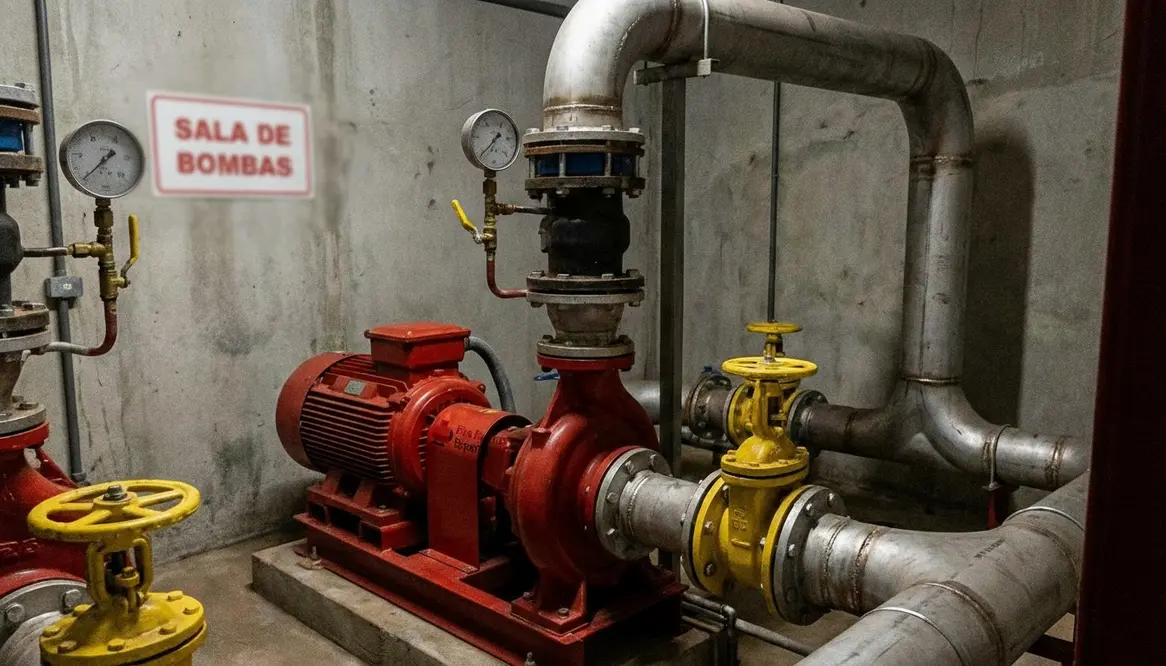
Brazil Industrial Fire Pump Requirements Guide
Brazil Fire Pump Requirements for Industrial Facilities
When I look at fire protection in Brazil industrial sites, I see more than pipes, pumps, and valves. I see the quiet machinery that stands between a normal day and a very bad one. Industrial facilities carry high fire loads, large open spaces, and equipment that does not forgive sloppy planning. So, the right fire pump setup matters. A lot. Not in a dramatic movie way, but in the calm, dependable way that keeps people safe and operations moving when things heat up, literally.
In this guide, I will walk through the main fire pump requirements for industrial facilities in Brazil, what drives the rules, and how I check that a system can actually do the job. Because when a facility needs water pressure, it needs it now, not after a committee meeting and three cups of coffee.
What Brazil industrial facilities need from a fire pump
I start with the basics. A fire pump must supply enough water flow and pressure for the sprinkler system, standpipe system, or hydrants that protect the site. In Brazil, industrial sites often follow local fire brigade rules, insurance demands, and technical standards such as ABNT guidance. The exact setup depends on the building use, fire risk, water source, and system design.
Here is what I focus on first:
- Required flow rate: The pump must match the demand of the fire protection system. If the site needs more water than the pump can move, the system fails before the fire even gets warm.
- Required pressure: The pump must deliver enough pressure to the most remote point in the system.
- Water supply: The pump needs a reliable source, such as a tank or reservoir with enough capacity.
- Duty and standby setup: Many industrial sites use a main pump plus a backup pump, because hope is not a strategy.
- Power source: Electric or diesel pumps must keep working during emergencies, even when utility power takes a nap.
How I check compliance with Brazil industrial fire codes
I always treat compliance as a system, not a single product. First, I review the local fire code and the applicable technical standards. Then I compare those rules with the facility’s fire risk class, layout, and occupancy. This matters because a warehouse, a chemical plant, and a manufacturing hall do not need the same protection package. That would be like dressing Batman, a chef, and a forklift driver in the same outfit.
I also verify these points:
- Hydraulic calculation: I confirm the pump can support the full system demand under real conditions.
- Suction conditions: The pump must have proper inlet supply, so cavitation does not ruin the day.
- Controller and alarms: The system should start fast and signal trouble clearly.
- Testing access: Maintenance teams must reach the pump room easily and safely.
- Separation and protection: The pump room should stay protected from fire, flood, and physical damage.
For industrial projects, I also check whether the pump room supports fast inspection. If a technician cannot service the unit without a treasure map, the design needs work.
Core design factors at a glance
Design Factor
Pump capacity
Backup power
Water storage
Routine testing
Why It Matters
It keeps the fire system supplied during peak demand
It supports operation during utility failure
It gives the system enough reserve for the required duration
It confirms the pump will work when needed
Why pump selection matters in industrial sites
I never treat pump selection as a box to tick. Instead, I match the pump to the real site conditions. If the facility sits on a large property with long pipe runs, pressure loss becomes a major issue. If the site handles flammable materials, the fire demand may rise fast. And if the building has multiple protected zones, the system may need a stronger and smarter design.
That is why I look at pump type, motor size, diesel backup needs, and site water source before I settle on a final design. A bad choice here creates more than extra cost. It creates risk. And risk, in an industrial setting, tends to RSVP without warning.
Maintenance plan for Brazil industrial fire pumps
A fire pump is only as good as its maintenance plan. I always recommend a clear schedule that includes weekly checks, monthly inspections, and full periodic tests. During those checks, the team should confirm pump start time, pressure readings, controller condition, valve position, fuel level for diesel units, and battery health where needed.
I also push for recorded logs. They help spot small issues before they become expensive ones. A weird vibration today can become a shutdown tomorrow. I have seen that story before, and it never ends with applause.
Good maintenance should also include:
- Visual inspection of the pump room
- Flow test results
- Valve and gauge checks
- Electric panel review
- Diesel engine service where used
Common mistakes I avoid in Brazil industrial projects
I see the same errors again and again. First, some teams undersize the pump. That saves money today and causes panic later. Second, some projects ignore suction problems. Third, others forget backup power or skip routine testing. Each mistake weakens the system in a different way, but the result is the same: poor protection.
I also avoid designs that look good on paper but fail in the field. Industrial facilities need real world performance, not presentation board magic. The pump room, water source, controller, and piping all need to work together. If one part falls behind, the whole system feels it.
FAQ
Conclusion
If you manage or design a Brazil industrial facility, I urge you to treat fire pump planning as a core safety decision, not a side task. The right pump, the right water source, and the right maintenance plan can make all the difference when seconds count. So, review your system, test it well, and keep it ready. If you need expert help for a commercial or industrial property, now is the time to act, before the alarm becomes the whole story.