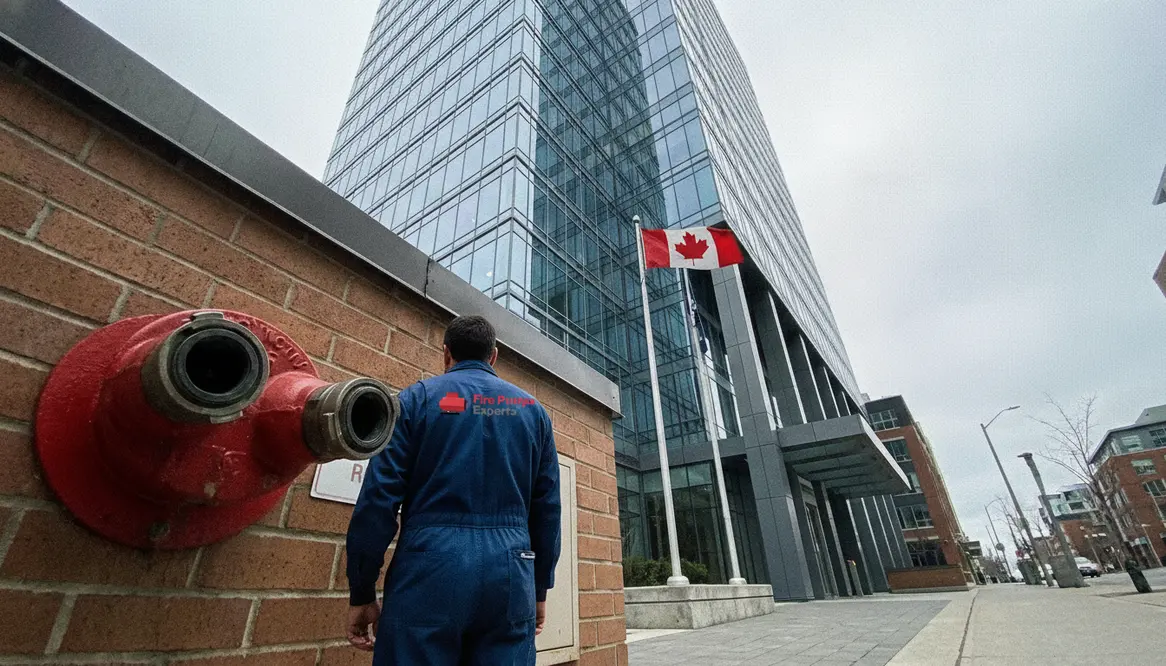
Canada Fire Pump Requirements for High Rise Buildings
When I look at a Canada high rise, I do not just see glass, steel, and a skyline that tries a little too hard to impress. I see a building that must stay safe when the pressure drops and the stakes rise. In these towers, a fire pump is not a luxury. It is the muscle behind the sprinkler and standpipe system, and it helps push water where gravity gets a vote but should not get the final word. That matters in commercial and industrial properties, where life safety rules get serious very fast.
In this article, I will walk through the main fire pump requirements for high rise buildings in Canada, how they work, and what building owners should keep in mind. The goal is simple. I want to make the code side of this topic less painful than a Monday meeting that should have been an email.
What a fire pump must do in a tall building
A fire pump helps maintain the water pressure needed for fire protection systems in a high rise. In a low building, water pressure may do the job on its own. However, in a tall structure, elevation steals pressure as water moves upward. That is why a fire pump steps in and delivers the needed boost.
For Canada high rise projects, the system must support the full fire protection design, including sprinklers, standpipes, and hose connections where required. I always think of it as the building’s quiet backup singer. It does the hard work while everyone else hopes they never need the spotlight.
Canadian fire pump setups must meet the fire code, the building code, and the design standards that apply to the property type. Therefore, owners and managers need a system sized for the building height, demand load, and flow needs. A pump that looks fine on paper but fails in a real event is not a win. It is just expensive furniture.
Code and design points I check first
When I review a high rise fire pump plan, I focus on a few core items right away. These checks keep the system honest and the paperwork from turning into a mystery novel later.
Main checks for a Canada high rise fire pump
Core hydraulic and supply checks
- System pressure must support the highest occupied floor.
- Flow must match the sprinkler and standpipe demand.
- The pump must connect to a reliable water source.
Room, power, and controls
- The pump room must stay accessible and protected.
- Power supply must support the pump under fire conditions.
- Controls, alarms, and testing features must be in place.
These points sound basic, yet they shape the whole system. They also keep the fire protection team from playing detective later, which nobody enjoys.
In many commercial towers, the fire pump must be approved under the applicable Canadian standards and installed to match the site conditions. For example, pressure loss in long pipe runs, valve layout, and elevation changes all affect the final design. So, I always say this: the drawing is not the building, and the building never lies.
How I think about pump types and power
Most high rise properties use electric fire pumps, diesel fire pumps, or a combination setup. Each choice has tradeoffs. Electric pumps offer clean operation and less routine fuel handling. Diesel pumps, however, give strong backup value if the electrical supply fails. In some buildings, a second pump or a backup power path adds another layer of protection.
That choice depends on the risk profile of the property. A busy office tower, a mixed use complex, or an industrial high rise may each need a different approach. As a result, the pump selection should never feel like a copy and paste job. Fire safety does not reward laziness. It tends to punish it with sirens.
I also pay close attention to the power source, because a pump only helps if it can run when the fire alarm sounds. In Canada, emergency power arrangements often matter in tall buildings. Therefore, the system design must keep the pump operational during a utility loss or building wide event. Otherwise, the building becomes a very expensive candle holder.
Testing and maintenance for long term reliability
Keeping the pump ready when it actually matters
A fire pump in a Canada high rise needs more than installation. It needs regular testing, inspection, and maintenance. I treat that as non negotiable. A pump that sits quietly for years without checks can fail at the worst possible time, and that is exactly when it should not audition for disaster.
Routine testing helps confirm that the pump starts correctly, delivers the right pressure, and responds to system demand. In addition, maintenance catches wear in bearings, seals, controllers, valves, and fuel systems. I also make sure records stay current, because good documentation can save time, money, and a lot of awkward phone calls.
For commercial and industrial facilities, testing should fit the site’s fire protection plan. If the property has tenants, shift work, or critical operations, the test schedule should reduce disruption while still meeting code needs. That balance matters. Nobody wants a surprise shutdown during peak business hours, unless the goal is to collect complaints like baseball cards.
Why commercial owners should treat this as a priority
Beyond compliance: pressure, risk, and reputation
Fire pump compliance affects more than safety. It also affects insurance, building approvals, tenant trust, and emergency response success. For that reason, I see it as both a code issue and a business issue. If a high rise has weak pressure in the upper floors, the entire fire system loses strength where it may be needed most.
Commercial property owners should work with fire protection professionals who know the Canadian standards and understand major properties. That includes reviewing the pump room layout, verifying the water supply, confirming the system demand, and checking whether the current setup still matches the building’s use. Buildings change. Tenants change. Loads change. The fire pump should keep up, because the fire will not wait for a committee meeting.
If you want a deeper look at professional support for these systems, I recommend visiting https://firepumps.org. It is a useful place to start when you need guidance for major buildings that demand serious fire protection.
FAQ for quick answers
Here are some fast answers to the questions that come up most often when people start looking at fire pump needs for a Canada high rise.
Conclusion
If I own or manage a high rise, I would not treat fire pump planning as a side note. I would treat it as a core safety system that protects people, property, and operations. So, if your building needs a review, upgrade, or new design, now is the time to act. Start with a proper assessment, check compliance, and make sure your commercial property is ready before an emergency decides to introduce itself.