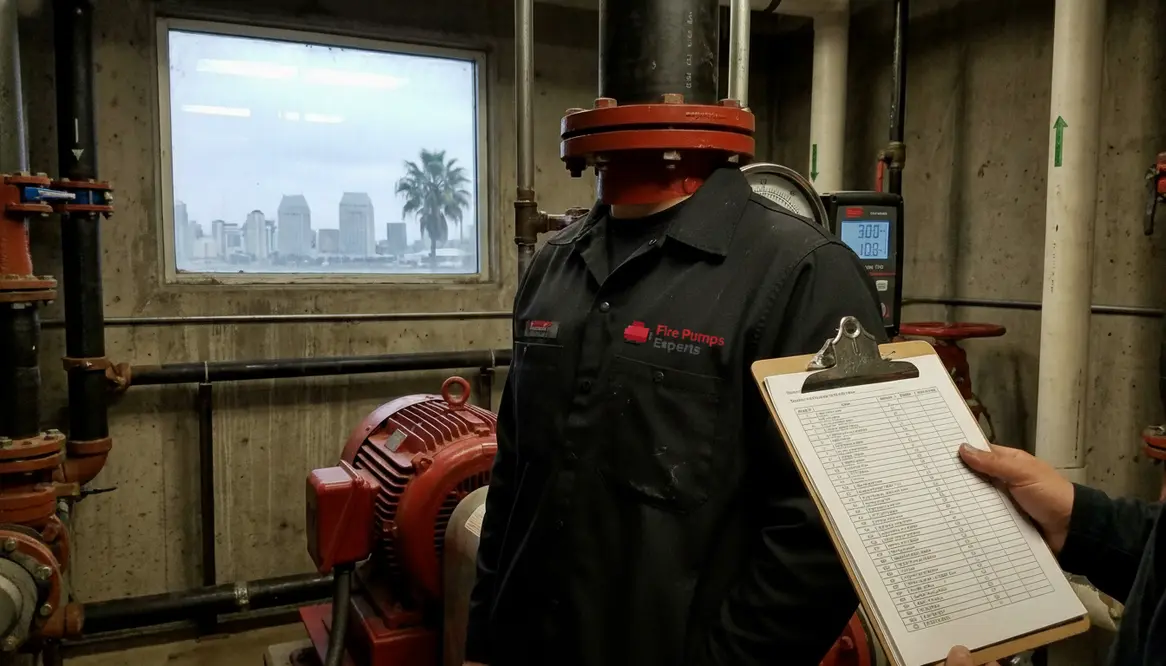
Fire Pump Flow Meter Accuracy San Diego Guide
I have spent years around fire protection systems, and if there is one thing that quietly causes chaos during inspections, it is fire pump flow meter accuracy San Diego. It sounds simple. Water flows, numbers show up, paperwork gets signed. But in reality, those numbers can drift, mislead, and occasionally behave like a rebellious teenager. And when you are managing a commercial or industrial facility in San Diego, even a small inaccuracy can ripple into compliance issues, failed tests, or worse, unreliable fire protection when it matters most.
So let’s slow things down, take a closer look, and unpack why flow meter accuracy deserves more attention than it usually gets.
Why Fire Pump Flow Meter Accuracy Matters More Than You Think
I often tell facility managers that a fire pump test is only as good as the data behind it. If the flow meter lies, everything built on that reading starts to wobble. And yes, I said lies. Not maliciously, of course. More like a tired employee who just wants to go home early.
Accurate readings confirm that your system meets design demand. However, when the meter drifts out of calibration, it can underreport or overreport flow. As a result, you might think your pump is performing well when it is actually underdelivering. On the other hand, inflated readings can mask real deficiencies.
In San Diego, where commercial properties must meet strict fire code standards, that margin of error becomes a serious liability. Therefore, maintaining precise measurement is not just technical housekeeping. It is risk management.
What Causes Flow Meter Inaccuracy During Testing
I have seen flow meters behave perfectly one year and completely lose their composure the next. So what changed? Usually, it comes down to a few repeat offenders.
Mechanical wear and buildup often sit at the top of the list. Over time, debris, corrosion, or mineral deposits interfere with internal components. Consequently, the readings begin to drift.
Improper installation is another culprit. If the meter lacks proper straight pipe length or experiences turbulence, the data becomes unreliable. It is like trying to measure wind speed in the middle of a hurricane and expecting calm, steady numbers.
Lack of calibration quietly sneaks in as well. Many facilities assume that once installed, the meter will behave forever. Unfortunately, that is not how physics works. Regular calibration ensures the device still tells the truth.
Finally, aging technology plays a role. Older meters simply cannot match the precision of modern designs. And while nostalgia is great for movies, it is less helpful for life safety systems.
Fire Pump Flow Meter Accuracy San Diego Testing Challenges
San Diego brings its own personality into the mix. The coastal air, for example, introduces salt exposure that accelerates corrosion. Meanwhile, temperature variations can subtly affect measurement consistency.
In addition, many large commercial and industrial buildings operate complex piping layouts. Therefore, achieving ideal flow conditions during testing becomes harder. I have walked into facilities where the meter placement alone guaranteed questionable results.
Moreover, local compliance expectations remain high. Inspectors expect clean, defensible data. If your numbers look suspicious, they will ask questions. And unlike a casual dinner conversation, these are not questions you can dodge with charm.
How I Identify Accuracy Issues Before They Become Failures
I like to catch problems early, before they turn into expensive surprises. Fortunately, flow meter issues often leave clues.
Signs I watch for
- Readings that fluctuate more than expected
- Results that do not match historical trends
- Inconsistent data across multiple test points
- Unexpectedly high or low flow values
What I do next
- Compare results with previous annual tests
- Inspect installation conditions
- Verify calibration records
- Cross check with alternative measurement methods
By taking these steps, I can usually pinpoint whether the issue lies with the pump or the meter itself. And trust me, blaming the pump when the meter is at fault is like blaming your car because your speedometer is broken.
Can You Trust Your Flow Meter Readings Right Now
Let me answer this the way I would in a real conversation. Maybe. But I would not bet your entire fire protection strategy on a maybe.
If your system has not undergone recent calibration or if the installation conditions are less than ideal, then your confidence should be cautious. However, if you maintain regular testing, proper setup, and documented calibration, then you are in a much stronger position.
Still, I always recommend verification. Because when it comes to fire protection in large facilities, confidence should come from evidence, not hope.
Practical Fixes That Improve Accuracy Immediately
The good news is that most accuracy issues are fixable. And no, it does not require a dramatic overhaul worthy of a blockbuster movie.
First, I focus on routine calibration. This alone resolves a surprising number of discrepancies. Next, I evaluate pipe conditions and layout. Adjustments to flow conditions can significantly improve measurement reliability.
Then, I consider upgrading outdated meters. Modern ultrasonic or electromagnetic meters often deliver better precision and require less maintenance.
Finally, I ensure consistent testing procedures. Even small variations in how tests are conducted can affect results. Standardization keeps data clean and comparable year after year, especially when you are focused on fire pump flow meter accuracy San Diego standards demand.
FAQ About Fire Pump Flow Meter Accuracy
Conclusion
If you manage a commercial or industrial property in San Diego, now is the time to take a closer look at your system. I can help you verify performance, correct inaccuracies, and ensure your fire protection stands on solid ground. Reach out today, and let’s turn uncertain readings into reliable data you can trust when it matters most. For more resources on testing methods and industry standards, you can also review guidance at https://www.firepumps.org and align those best practices with the fire pump flow meter accuracy San Diego regulations require.