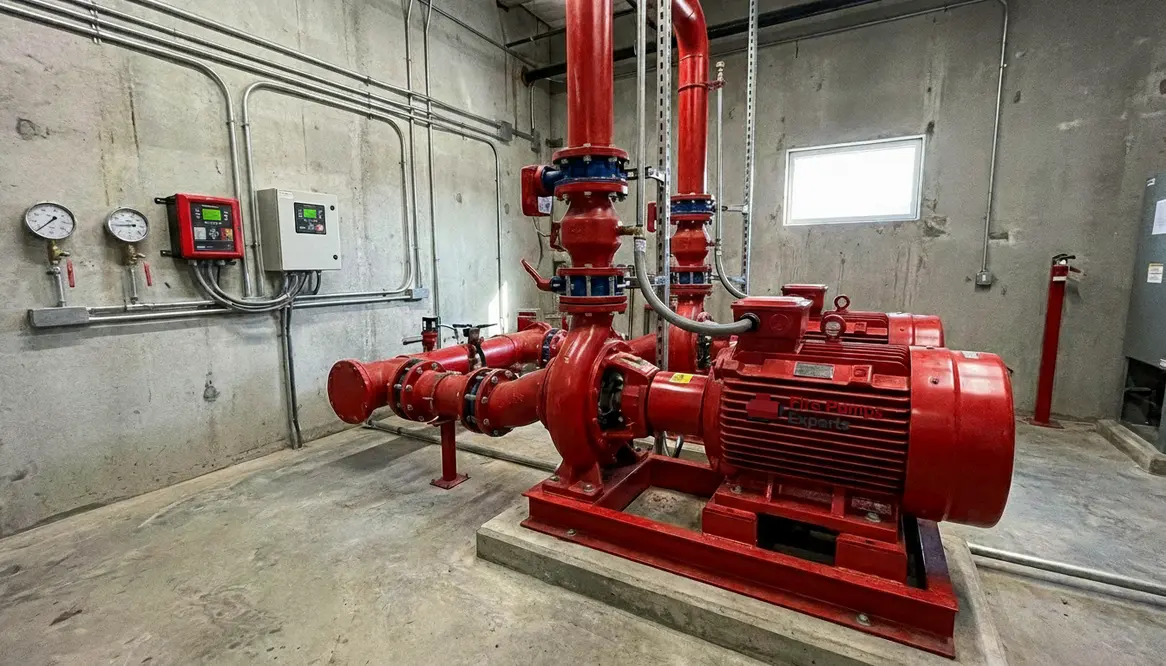
Fire Pump Variable Demand Santa Clarita Design
I have spent years around commercial and industrial fire protection systems, and one thing I have learned is this: buildings do not behave politely during emergencies. Demand spikes, pressure drops, and suddenly your system is asked to perform like an action hero in the final scene. That is exactly why fire pump variable demand Santa Clarita design matters. In a region where large facilities, warehouses, and mixed use developments keep expanding, a static approach simply does not cut it anymore. So let me walk you through how I approach designing systems that respond intelligently, stay efficient, and keep people and property protected.
In Santa Clarita, growth is rarely subtle. Distribution hubs get taller, campuses stretch wider, and mixed use projects blend retail, storage, and residential elements into one sprawling puzzle. A modern fire pump strategy has to anticipate those moving pieces, not just today’s floor plan. That is where a truly adaptive fire pump variable demand Santa Clarita approach starts paying off long before the first sprinkler ever opens.
What makes fire pump systems adapt to variable demand?
Designing for real world fluctuation
I design with one core idea in mind: demand is never constant. One minute, a system sits idle. The next, multiple zones call for water at once. Therefore, I rely on variable speed pump systems that adjust output in real time. Instead of blasting full power like a rock band that only knows one volume, these systems scale smoothly.
As a result, pressure remains stable across the network. That means no sudden surges that strain pipes and no weak flow at critical points. In Santa Clarita, where facilities often span large footprints, this flexibility becomes essential. I also integrate pressure sensors and controllers that communicate continuously, almost like a well rehearsed orchestra.
Planning for peak conditions
Moreover, I account for peak demand scenarios. Fire events rarely follow neat scripts. So I simulate multiple flow conditions to ensure the system can handle simultaneous sprinkler activation, standpipe use, and hose demand without hesitation.
This is where a carefully tuned fire pump variable demand Santa Clarita setup proves its worth. The goal is not just surviving the worst minute of the worst day, but doing it without the system thrashing itself to pieces in the process.
Designing for commercial scale in Santa Clarita
From site layout to hydraulic reality
When I work on large commercial or industrial properties, I start with the layout. Big buildings come with long pipe runs, elevation changes, and multiple hazard classifications. Consequently, a one size system falls apart quickly.
I map out zones based on risk and usage. For example, a high pile storage area demands a different response than an office section. Then I align pump capacity with those zones, ensuring each area receives adequate flow without overloading the system.
Local codes, local water, local realities
Additionally, I consider local codes and water supply conditions in Santa Clarita. Municipal supply can vary, so I often design systems that compensate for fluctuating incoming pressure. This is where variable demand systems shine. They adapt instantly instead of forcing the system into inefficient overdrive.
And yes, I always leave room for future expansion. Buildings grow. Tenants change. Nobody wants to rip out a perfectly good system because it cannot keep up with new demands. When a project calls specifically for fire pump variable demand Santa Clarita design, I treat flexibility as a requirement, not a nice extra.
Core components that keep systems responsive
Smart hardware, smarter behavior
Let me break down the key elements I rely on when building a responsive system:
Variable frequency drives
These adjust motor speed based on demand. They are the brains behind smooth operation and energy efficiency.
Advanced controllers
These monitor pressure and flow continuously. They make real time decisions faster than any human operator could.
Pressure sensors
Placed strategically, they provide accurate feedback across the system. Without them, you are basically guessing.
Redundant pump configurations
Because one pump is brave, but two pumps are wise. Redundancy ensures reliability during peak demand or maintenance events.
Each component plays a role, but together they create a system that reacts with precision rather than panic. Tie that into a well tuned fire pump variable demand Santa Clarita layout, and you get a system that feels less like a blunt instrument and more like a calibrated tool.
Comparing traditional vs variable demand systems in practice
Traditional systems
- Fixed speed operation
- Pressure fluctuations are common
- Higher energy use over time
- Limited adaptability to changing building needs
Variable demand systems
- Dynamic speed adjustment
- Consistent pressure delivery
- Energy efficient performance
- Scales with building growth and complexity
In my experience, choosing between these two is like picking between a flip phone and a smartphone. Sure, both can make a call, but only one keeps up with modern demands.
How I optimize fire pump variable demand Santa Clarita systems for efficiency
Getting the settings right from day one
Efficiency is not just about saving energy. It is about reducing wear, extending system life, and ensuring reliability when it matters most. So I focus on calibration and testing from day one.
First, I fine tune pressure set points to match actual building requirements. Too high, and you stress the system. Too low, and you risk underperformance. Then I run full scale flow tests to confirm that transitions between demand levels remain smooth.
Monitoring, maintenance, and real feedback
In addition, I integrate monitoring systems that track performance over time. This allows facility managers to spot trends early. Think of it as a health tracker for your fire protection system, minus the annoying reminders to stand up.
Finally, I emphasize maintenance planning. Even the best system needs regular checkups. A well maintained variable demand system will outperform a neglected one every single time. The sites that treat their fire pump variable demand Santa Clarita strategy as an ongoing program, not a one time project, are the ones that stay ready.
FAQ
Ready to design smarter protection
If you are managing a commercial or industrial property in Santa Clarita, now is the time to rethink how your system responds under pressure. I design fire pump solutions that adapt, perform, and last. Let us build a system that works as hard as your facility does. Reach out today and take the first step toward smarter, more reliable fire protection, and make sure your next upgrade includes a truly modern fire pump variable demand Santa Clarita strategy.
If you want to explore broader technical guidance and industry perspectives, resources such as https://www.firepumps.org can provide helpful background while you plan your next project.