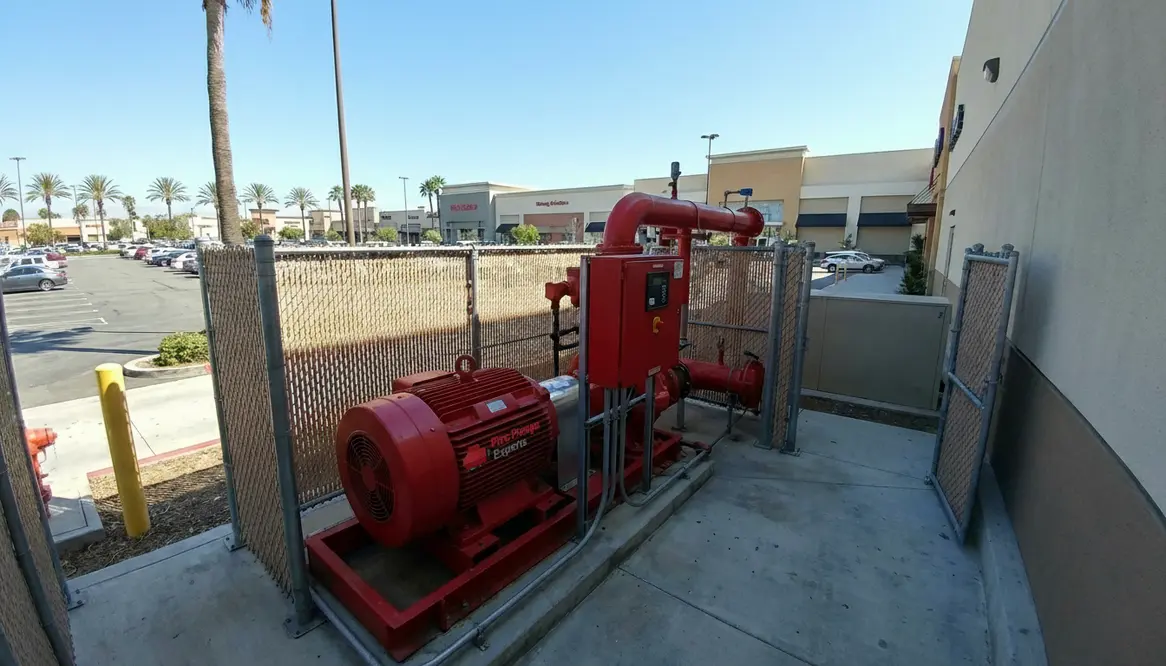
Fire Pump Retail Center Anaheim Design Guide
I have spent years around large commercial properties, and I can tell you this without hesitation: when it comes to safety, nothing whispers confidence quite like a well designed fire pump retail center Anaheim system. In a city packed with high traffic shopping destinations, where foot traffic rivals a Marvel movie premiere, the stakes are high. So today, I am going to walk you through what really matters in designing these systems, in a way that feels less like a manual and more like a conversation you actually want to stick around for.
What makes fire protection design different for large retail spaces?
Large retail centers are not your average buildings. They breathe. They move. They fill up fast, especially during holiday sales that somehow convince everyone they need a third air fryer. Because of this, fire protection design must account for fluctuating occupancy, wide open floor plans, and complex tenant layouts.
First, I focus on water demand. Retail centers often require higher flow rates because sprinkler systems must cover massive square footage. Next, I look at system redundancy. If one component fails, another must step in without hesitation. Finally, I consider accessibility for maintenance. A system that cannot be serviced easily is like owning a sports car you cannot drive. Looks great, useless when it matters.
Designing with the retail experience in mind
In a busy fire pump retail center Anaheim project, safety measures must blend into the background without disrupting the shopper experience. That means routing piping intelligently above ceilings, protecting key egress paths, and choosing equipment locations that allow quick access for technicians without leaving visible clutter in public areas.
Core components that define a reliable system
Now, let me break this down in practical terms. A fire pump system is not just a pump. It is a coordinated team, and every part has a role to play.
Fire Pump Unit
This is the heart. It boosts water pressure when city supply falls short. In Anaheim, where infrastructure varies, this becomes critical.
Controller
Think of it as the brain. It ensures the pump starts instantly and runs reliably under emergency conditions.
Water Supply Source
Whether from municipal lines or storage tanks, consistency is key. No water means no firefighting.
Jockey Pump
This smaller pump maintains pressure and prevents unnecessary starts. It is the quiet hero no one talks about.
Each component must work in harmony. Otherwise, you end up with a system that looks impressive on paper but folds under pressure. And trust me, fire does not care about your paperwork.
Why layout and room design matter
The pump room in any fire pump retail center Anaheim project should not feel like an afterthought squeezed into leftover space. Clear access aisles, proper lighting, labeled valves, and logical pipe routing save precious minutes during emergencies and inspections. Good layout today avoids future headaches when you need to upgrade, test, or troubleshoot.
Fire Pump Retail Center Anaheim design challenges I see often
Designing for Anaheim presents its own quirks. For one, seismic considerations cannot be ignored. California does not exactly sit still, so anchoring and flexible connections are essential.
Then there is water supply variability. While some areas have strong municipal pressure, others do not. Therefore, I always test real world conditions rather than relying on assumptions. Because assumptions, much like plot twists in bad movies, tend to disappoint.
Additionally, tenant turnover creates shifting hazards. A clothing store today could become a restaurant tomorrow. Consequently, I design systems with adaptability in mind, ensuring they can handle evolving fire risks without needing a complete overhaul.
Coordinating with owners and tenants
One of the quiet challenges in a fire pump retail center Anaheim project is simply communication. Owners, tenants, AHJs, and contractors all have different priorities. Clear documentation, realistic phasing plans, and honest conversations about limitations keep the design from being value engineered into something that only works on paper.
How do I size a fire pump system correctly?
I start with hazard classification. Retail spaces often fall under ordinary hazard groups, but anchor stores, storage areas, and food courts can shift that classification quickly. So I calculate demand based on the highest risk areas, not the average.
Next, I evaluate pressure requirements. Sprinkler heads need a specific pressure to operate effectively. If the municipal supply cannot meet that demand, the pump must fill the gap.
Finally, I consider future expansion. Retail centers rarely stay the same. Therefore, I build in capacity for growth. Because redesigning later costs far more than planning ahead. It is like buying jeans before Thanksgiving dinner versus after. One choice is clearly wiser.
Using data, not guesswork
Hydraulic calculations, accurate site flow tests, and careful review of existing infrastructure are what separate a solid design from one that just looks impressive in a binder. Sizing in a fire pump retail center Anaheim environment has to reflect peak demand, stacked tenant loads, and realistic emergency scenarios, not optimistic best cases.
Compliance, codes, and why they actually matter
Let me be clear. Codes are not just bureaucratic hurdles. They are the result of lessons learned the hard way. NFPA 20 governs fire pump installation, while local Anaheim regulations add another layer of requirements.
However, compliance is only the baseline. I aim beyond minimum standards because real safety demands more than just passing inspection. It requires foresight, testing, and ongoing maintenance planning.
Moreover, coordination with other systems is essential. Fire alarms, sprinklers, and emergency power must all work together. Otherwise, you end up with a system that is technically compliant but practically ineffective. And that is not a gamble I am willing to take.
Documentation that actually helps
Beyond permits and signoffs, strong documentation means clear single line diagrams, labeled riser plans, and maintenance friendly records. When something goes wrong, that information can turn a chaotic scramble into a controlled response.
Fire Pump Retail Center Anaheim installation and long term performance
Installation is where design meets reality. Even the best plans can fall apart if execution is sloppy. Therefore, I stay involved during installation to ensure alignment with specifications.
After installation, testing becomes the focus. Flow tests, pressure checks, and full system commissioning verify that everything performs as expected. Because in this business, hope is not a strategy.
Then comes maintenance. Regular inspections, weekly churn tests, and annual performance evaluations keep the system ready. Think of it like going to the gym. Skip too many sessions, and things start to fail when you need them most.
Choosing the right partners
For ongoing testing, repairs, and upgrades, partnering with a team that understands both NFPA standards and local Anaheim expectations is non negotiable. A reliable contractor will treat your system as a living asset, not a one time project.
FAQ
Conclusion
If you are managing or developing a large retail property, investing in the right fire pump strategy is not optional, it is essential. I approach every project with precision, foresight, and a bit of healthy skepticism toward shortcuts. When you are ready to build or upgrade your system, work with professionals who understand commercial scale demands and Anaheim specific challenges. Because in the end, a reliable system does more than protect property, it protects people, and that is always worth doing right.