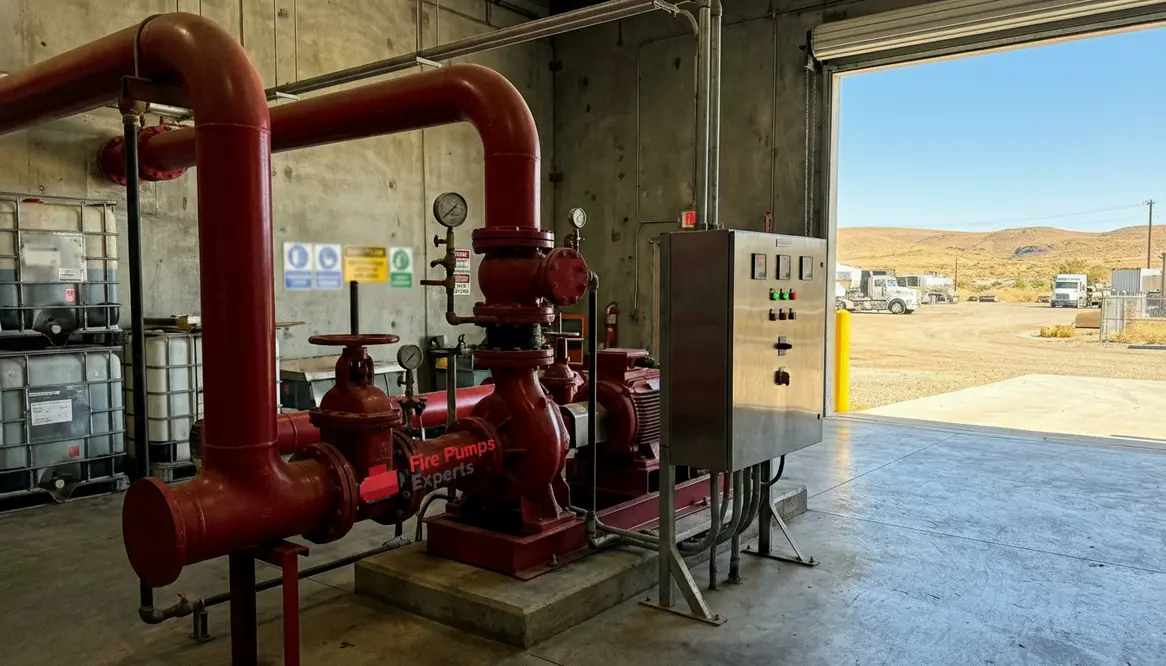
Fire Pump Hazardous Materials San Bernardino Guide
I have spent years around fire protection systems, and I can tell you this with a calm certainty. When you are dealing with hazardous materials, there is no room for improvisation. In San Bernardino, where industrial operations meet strict safety expectations, a fire pump hazardous materials San Bernardino strategy is not just a checkbox. It is the backbone of risk control. And yes, while it may not sound as thrilling as a summer blockbuster, the stakes are far higher than anything Hollywood can script.
Understanding Fire Pump Systems in High Risk Facilities
First, let me set the scene. Facilities that store or process hazardous materials operate under unique pressures. Chemicals react. Vapors ignite. Small sparks become big problems. Therefore, I always approach fire pump system design with a simple mindset. Control the water. Control the outcome.
A fire pump ensures consistent water pressure when municipal supply falls short. However, in hazardous environments, it does more than that. It supports suppression systems designed for specific risks like flammable liquids or corrosive agents. As a result, every component must align with both fire codes and chemical safety standards.
Moreover, I never treat these systems as plug and play. Each facility tells its own story, and the pump system has to match that narrative.
Risk, water, and the reality of high-hazard protection
In these environments, time is compressed. A small leak or spark can escalate in seconds. A well-engineered fire pump system stretches that timeline, giving people, suppression systems, and emergency services a fighting chance to contain the incident before it becomes the headline no one wants to read.
How do I design for hazardous materials in San Bernardino?
I start by asking the questions most people avoid. What can go wrong, and how fast can it escalate? Then I map the answers into engineering decisions.
First, I evaluate the type of hazardous materials on site. For example, flammable liquids demand rapid suppression, while reactive chemicals may require controlled application. Next, I calculate fire flow demand. This step ensures the pump delivers enough water without overwhelming containment systems.
Then, I factor in local conditions. San Bernardino brings heat, wind, and seismic considerations into play. Consequently, I design systems that remain stable under stress, because the last thing anyone needs is a pump that quits during an earthquake.
And yes, I follow NFPA standards closely. Not because it is exciting reading, although some of us might disagree, but because it saves lives and property.
Translating risk into practical design decisions
For a facility handling solvents, I might prioritize fast-acting deluge or foam systems supported by a high-flow pump. For a site dealing with corrosives, I may specify lined piping, compatible materials, and carefully controlled application rates. In every case, a fire pump hazardous materials San Bernardino layout has to balance aggression in suppression with precision in control.
Key Components That Make or Break the System
Now, let us get into the mechanics. A fire pump system is only as strong as its weakest link. So I pay close attention to each part.
Core elements I prioritize include:
Reliable pump type selection
Electric or diesel driven pumps depend on facility needs and backup power availability.
Controller systems
These act as the brain, ensuring automatic startup when pressure drops.
Water supply integration
Storage tanks or dedicated reservoirs often support consistent flow.
Redundancy planning
Because one pump is good, but two is peace of mind.
Additionally, I ensure compatibility with suppression systems like foam or specialized sprinklers. In hazardous material facilities, water alone is not always enough.
What I Always Include
- Risk specific flow calculations
- Backup power solutions
- Seismic bracing
- Pressure monitoring systems
What I Never Overlook
- Maintenance access
- System testing points
- Alarm integration
- Compliance documentation
Designing for durability, not just day-one performance
I am not interested in systems that look impressive on a submittal sheet but fall apart in five years. Corrosion resistance, vibration control, and clear routing all factor into a fire pump hazardous materials San Bernardino design that is still reliable after thousands of hours of runtime, weekly churn tests, and more than a few power disturbances.
fire pump hazardous materials San Bernardino compliance and codes
Let us talk about rules. Not the fun kind, but the kind that keeps buildings standing.
San Bernardino facilities must meet strict fire codes, environmental regulations, and OSHA requirements. Therefore, I design systems that satisfy all three without conflict. It sounds simple, but aligning these standards takes precision.
For instance, NFPA 20 governs fire pump installation, while NFPA 30 may apply to flammable liquids. Meanwhile, local authorities add their own layers. So I coordinate closely with inspectors early in the process. This approach prevents costly redesigns later.
And honestly, there is nothing more satisfying than passing inspection on the first go. It is the engineering version of a perfect landing.
Local expectations, documented clearly
Authorities in San Bernardino are not interested in theoretical compliance. They want to see hydraulic calculations, shop drawings, acceptance test results, and ongoing inspection records that prove the fire pump hazardous materials San Bernardino setup is as solid on paper as it is in the pump room. The payout is simple: faster approvals, fewer surprises, and a system that is ready when the sirens are not just a drill.
Common Mistakes I Avoid in Hazardous Material Facilities
I have seen what happens when design cuts corners. Spoiler alert. It is not pretty.
One common issue is underestimating fire demand. As a result, pumps fail to deliver enough pressure during emergencies. Another mistake involves ignoring chemical compatibility. Water applied incorrectly can worsen certain fires.
Additionally, poor maintenance planning often leads to system failure when it matters most. So I design with serviceability in mind. If a technician cannot access it بسهولة, it will not get maintained. And if it is not maintained, it will fail. That is not philosophy. That is reality.
Finally, I avoid overcomplication. A system should be robust, not confusing. Even the best design fails if operators cannot understand it under pressure.
Design traps that look smart but perform terribly
- Oversized pumps that overwhelm drainage or containment.
- Undersized suction piping that chokes flow right when demand peaks.
- Complicated control sequences that no one on the night shift fully understands.
- Ignoring how expansions or process changes will alter hazard profiles over time.
Avoiding these traps keeps the fire pump hazardous materials San Bernardino design grounded in how people really operate, maintain, and sometimes forget about systems until the alarm panel starts talking.
What facility owners in San Bernardino should expect from a fire pump system
When I deliver a system, I expect it to perform without hesitation. Facility owners should expect the same.
First, the system should activate automatically and maintain steady pressure. Second, it should integrate seamlessly with alarms and suppression systems. Third, it must withstand environmental challenges specific to the region.
Moreover, I ensure documentation is clear and complete. Because during an emergency, no one wants to flip through a manual like it is a mystery novel.
Ultimately, a well designed system provides confidence. Not excitement. Not drama. Just quiet reliability. And in this field, that is the best outcome possible.
From first sketch to final sign-off
Owners should see a straight line from hazard assessment to pump selection, installation, acceptance testing, and long-term service planning. That is how a fire pump hazardous materials San Bernardino project shifts from being just another capital expense to a long-lived asset that protects people, process, and production.
FAQ
Conclusion
If you operate a commercial or industrial facility, you already understand the stakes. A properly designed fire pump system is not just equipment. It is protection, continuity, and peace of mind. I bring that mindset into every project involving hazardous materials. If you are planning or upgrading a system in San Bernardino, now is the time to act. Reach out, and let us build something that works when it matters most.
If you are looking for more technical depth, design references, or industry insights, you can explore resources such as https://firepumps.org alongside NFPA publications and local San Bernardino code guidance.