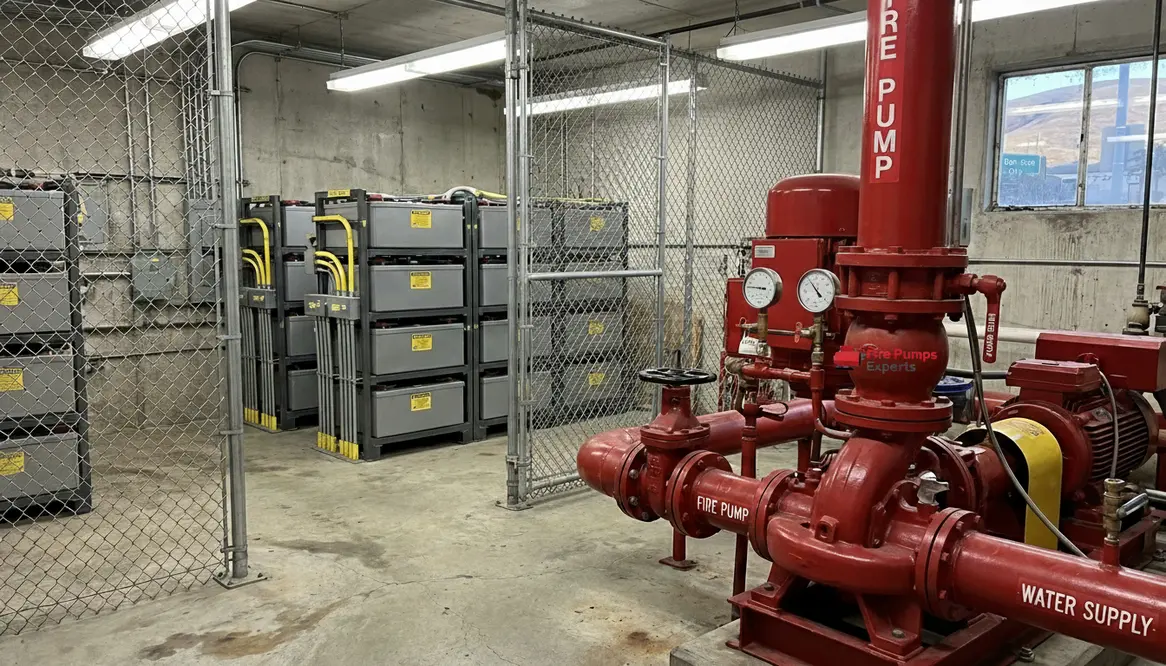
Fire Pump Battery Storage San Jose Design Guide
Fire Pump Design for Facilities with Battery Storage Systems in San Jose
I have spent enough time around mechanical rooms to know one truth. When energy storage meets fire protection, things get serious fast. In a city like San Jose, where innovation hums louder than traffic on 101, facilities are increasingly pairing advanced battery systems with robust fire infrastructure. And right at the center of that relationship sits a critical player. The fire pump battery storage San Jose conversation is not just technical. It is about safety, continuity, and frankly, sleeping better at night.
So let me walk you through it. Slowly, clearly, and with just enough humor to keep us both awake.
Why battery storage changes fire protection design
Battery energy storage systems bring efficiency and resilience. However, they also introduce unique fire risks. Lithium ion batteries, for example, can experience thermal runaway. That is a polite way of saying things can escalate quickly.
Because of this, I approach fire pump design differently in these facilities. I focus on reliability under extreme conditions. I also account for longer suppression durations. Unlike a typical fire event, battery fires can reignite. Yes, it is the horror movie villain of fire scenarios.
Therefore, I prioritize:
- Higher water demand calculations
- Redundant pump configurations
- Integration with specialized detection systems
And importantly, I ensure the system aligns with NFPA standards while adapting to local San Jose codes. Because ignoring local regulations is about as wise as ignoring a check engine light.
How I design fire pump systems for battery storage facilities
I start with risk assessment. Always. I evaluate the battery type, storage capacity, and layout. Then, I determine the required flow and pressure to control a potential fire.
Next, I select the right pump type. In most commercial and industrial properties, I lean toward electric driven pumps with diesel backup. Why both? Because redundancy is not optional here. It is essential.
After that, I design the water supply. In San Jose, municipal supply can be strong, but I never assume. I verify flow tests and often include on site storage tanks for added reliability.
Finally, I integrate controls and monitoring. Modern systems allow real time performance tracking. And let me tell you, getting an alert before something fails feels a lot better than discovering it during an emergency.
The goal is a fire pump battery storage San Jose setup that stays online when conditions are at their worst, not just when everything is calm and predictable.
Key components I never compromise on
There are a few elements I treat like sacred ground. Cutting corners here is not bold. It is reckless.
Reliable power sources
I ensure uninterrupted power for the pump system. Battery backed systems supporting fire pumps must be isolated and protected.
Durable pump construction
Corrosion resistance and high performance materials matter. These systems must perform under stress, not just look good on paper.
Advanced control panels
I use controllers that provide clear diagnostics. If something goes wrong, I want answers immediately, not a guessing game.
Proper spacing and layout
Battery storage areas require thoughtful placement of suppression equipment. Accessibility can make or break response time.
Comparing design priorities in one glance
As you can see, designing for battery storage is not just an upgrade. It is a shift in mindset.
Fire pump battery storage San Jose compliance and local nuance
San Jose does not play around when it comes to safety. And I respect that. Local fire authorities expect strict adherence to codes, especially for high density commercial and industrial facilities.
So I coordinate closely with AHJs. I align designs with NFPA 20 for fire pumps and NFPA 855 for energy storage systems. Additionally, I consider seismic requirements. Because in California, the ground likes to remind us who is in charge.
I also plan for inspections and maintenance access. A beautifully designed system that cannot be serviced easily is like a sports car with no doors. Impressive, but not very useful.
Common mistakes I see and how I avoid them
Even experienced teams can overlook critical details. I have seen it happen more than once.
- Underestimating water demand
Battery fires require more water than many expect. I always calculate conservatively. - Ignoring system redundancy
One pump is not enough. If it fails, everything fails. That is not a risk I accept. - Poor integration with detection systems
Fire pumps should not operate in isolation. They must work seamlessly with alarms and suppression triggers. - Skipping future scalability
Facilities grow. Energy storage expands. I design systems that can adapt without major overhauls.
Think of it like building a stage for a band that has not hit its peak yet. You plan for the arena, not the garage.
FAQ about fire pump systems and battery storage
Conclusion
If you are managing or developing a facility with energy storage, now is the time to take fire protection seriously. I design every fire pump battery storage San Jose system with resilience, compliance, and real world performance in mind.
When done right, these systems protect assets, people, and peace of mind. Reach out, and let us build something that stands ready when it matters most. Because in this line of work, preparation is everything.
For additional technical context and reference material on fire pumps, one useful resource is https://firepumps.org, which can complement local code review when planning a fire pump battery storage San Jose implementation.