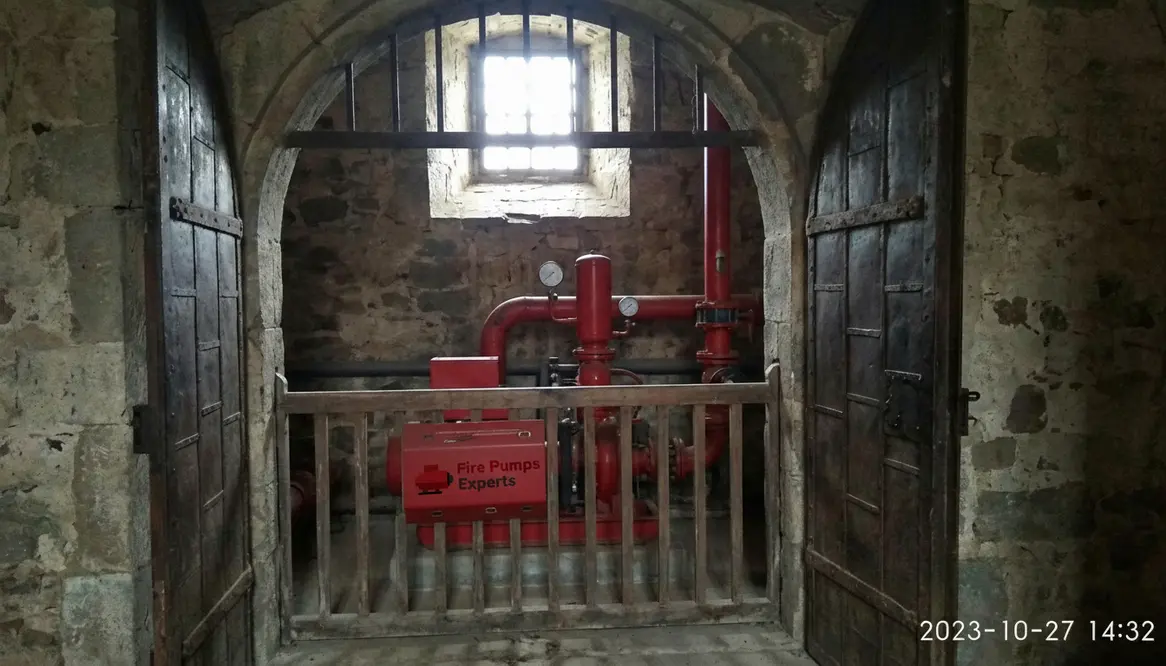
Fire Pump Systems for Historic Buildings Europe
I have walked through stone corridors that remember kings, wars, and the slow march of time. And yet, beneath the beauty, there is a quiet urgency. Fire does not care about history. That is why conversations around fire pump historic buildings Europe matter more than most people realize. These systems stand as silent guardians, ready to protect structures that cannot be replaced. While the walls may be centuries old, the protection behind them must be modern, precise, and reliable. And yes, occasionally stubborn, much like the buildings themselves.
Why Fire Pump Systems Matter in Heritage Structures
Historic buildings across Europe were never designed with modern fire risks in mind. Electrical loads have increased, visitor traffic has surged, and restoration materials can introduce new vulnerabilities. Because of this, I always view fire pumps as the backbone of any serious fire protection strategy.
Moreover, these systems ensure consistent water pressure where municipal supply falls short. Castles on hills, monasteries in remote valleys, and dense urban landmarks often cannot rely on standard infrastructure. So, a well designed pump system steps in to bridge that gap.
And let me be honest. If these buildings could talk, they would probably say, “I survived centuries, please do not let a faulty valve end my story.” Fair point.
How Do Fire Pump Systems Adapt to Old Architecture?
Adapting modern systems into ancient frameworks feels a bit like fitting a smartwatch onto a suit of armor. It can be done, but it takes care. I focus on minimizing structural disruption while maximizing performance.
For instance, I often work with compact pump designs that fit into tight service rooms. Additionally, I route piping through existing shafts or concealed pathways to preserve visual integrity. This balance between preservation and protection is where experience matters most.
At the same time, I consider vibration control. Old stone and timber react differently than modern steel and concrete. So, isolators and careful mounting are not optional. They are essential.
Fire Pump Historic Buildings Europe Design Priorities
When I approach fire pump historic buildings Europe, I do not start with equipment. I start with priorities. Each building has its own story, and the system must respect it.
Preservation First
I ensure that installation does not damage protected elements. That includes avoiding invasive drilling and maintaining original layouts whenever possible.
Reliability Always
A system must perform under pressure. Redundant components and backup power sources are not luxuries here. They are requirements.
Compliance with Modern Codes
Even historic buildings must meet current safety standards. I align systems with European fire codes while respecting heritage regulations.
Discreet Integration
No one visits a cathedral to admire a pump room. So, I keep systems functional yet visually unobtrusive.
Balancing Regulations and Reality
Here is where things get interesting. European heritage laws can be as intricate as a Christopher Nolan plot. On one hand, fire safety regulations demand upgrades. On the other, preservation authorities restrict changes.
Therefore, I often act as a translator between two worlds. I collaborate with engineers, conservationists, and local authorities to find solutions that satisfy both sides. It is not always smooth. However, when it works, it feels like aligning gears in a centuries old clock.
And yes, there are moments when I wish buildings came with instruction manuals. Preferably in plain language.
Maintenance Strategies That Actually Work
Installing a system is only half the story. Maintenance keeps it alive. In historic settings, I take a proactive approach because reactive fixes can be costly and disruptive.
First, I schedule routine testing that respects building operations. Museums, government facilities, and large commercial heritage sites cannot simply shut down on a whim. So, timing matters.
Next, I rely on monitoring systems that provide real time performance data. This allows me to detect issues before they escalate. It is a bit like having a health tracker, but for a pump that refuses to jog.
Finally, I train onsite teams. Because when something happens, response time can mean everything.
Modern Technology Meets Old Stone
Technology has changed the game. Variable speed drives, remote diagnostics, and energy efficient motors now allow fire pump systems to operate smarter and cleaner.
In addition, these upgrades reduce strain on aging infrastructure. Instead of forcing water through pipes at constant pressure, systems can adapt in real time. This protects both the building and the equipment.
And let us face it, if a medieval fortress can quietly run advanced pump controls, that is the kind of plot twist even Hollywood would appreciate.
Fire Pump Historic Buildings Europe In Practice
Across the continent, the phrase fire pump historic buildings Europe is moving from a niche concern to a boardroom topic. Owners of hotels in converted palaces, operators of landmark museums, and managers of high profile government sites are all rethinking how water supply and pressure are secured during a fire event.
Some projects start with a painful lesson: a near miss, a small fire, or an inspection report packed with red flags. Others begin more calmly, with long term resilience planning and insurance requirements. In both cases, robust pump design, proper sizing, and integration with sprinklers or hydrant networks can mean the difference between a contained incident and a headline nobody wants to read.
Conclusion
Protecting Europe’s historic buildings is not just a technical task. It is a responsibility. I approach every project knowing that the right fire pump system can preserve centuries of culture and commerce. If you manage a large heritage property or commercial landmark, now is the time to evaluate your protection strategy. Reach out, ask the hard questions, and invest in systems that will stand the test of time. Because history deserves nothing less.