Chile Fire Pump Compliance for Buildings
Chile Fire Pump Compliance Guide for Buildings
I work in commercial and industrial fire protection, and I can tell you this much: Chile compliance for fire pump systems is not the sort of thing you want to “figure out later.” In a major building, a fire pump can be the quiet hero that steps in when water pressure drops and everything else gets loud. So, if I am dealing with a plant, warehouse, high rise, or large business property in Chile, I treat compliance like the seatbelt of the whole system. It is not flashy, but when the moment comes, it matters more than the coffee machine in the lobby.
What I check first in a Chile fire pump setup
I start with the building type, the fire load, and the water source. That sounds basic, yet this is where many problems begin. For Chile compliance, I need to know whether the pump serves a commercial tower, a warehouse with heavy storage, or an industrial site with high risk areas. Each one needs a different level of care.
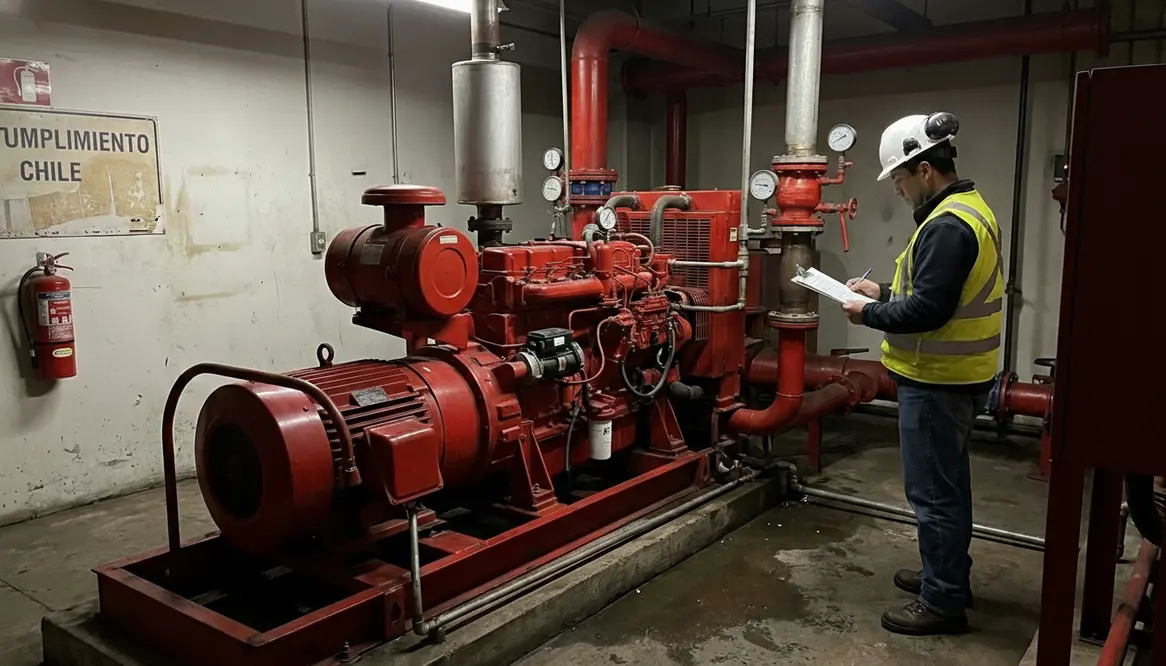
Next, I review the pump room. It must stay clean, dry, easy to access, and free from everyday nonsense like storage boxes, old parts, or “temporary” equipment that somehow lives there forever. I also check the power supply, the controller, the suction line, and the test setup. If one piece fails, the whole system can act like a movie sequel nobody asked for.
Just as important, I confirm the fire pump matches the building demand. If the pump cannot keep up with the required flow and pressure, then it is not doing its job. It may still hum nicely, but that does not count.
How I review the rules for Chile compliance
When I review Chile compliance, I look at the full chain of requirements, from design to inspection to ongoing maintenance. In commercial and industrial buildings, I focus on local fire authority expectations, building codes, and the project documents that define system performance. I also compare the installation against accepted fire protection practices for major properties.
Here is the part people often miss: compliance is not one document. It is a living record. I need drawings, test reports, equipment data, maintenance logs, and proof that the system still works the way it should. If the paperwork looks thinner than a superhero plot, I know I have more digging to do.
I also check whether the pump has proper alarms, controllers, valves, gauges, and backup support where needed. In large buildings, the system must keep working even when conditions get ugly. That means I cannot settle for “good enough.” Water pressure does not care about optimism.
What documents I keep ready for inspections
Left column
- Approved fire pump drawings
- Equipment data sheets
- Installation and commissioning records
- Weekly, monthly, and annual test logs
Right column
- Maintenance and repair history
- Calibration records for gauges and controls
- Power supply verification
- Any corrective action reports
I keep these records in one place because inspections move faster when the proof is ready. I have seen solid systems look weak on paper, and weak systems look fancy on paper. The paper does not lie, but it can sure dress up for the occasion.
How I test and maintain fire pumps in major buildings
I do not treat testing as a box checking event. I treat it like a health check. For commercial and industrial facilities, I run regular tests to confirm startup, pressure, flow, vibration, and controller response. If the pump runs on diesel, I also check fuel quality, batteries, cooling, and exhaust paths. If it is electric, I verify power, wiring, and controller health.
Ongoing maintenance matters just as much. I look for leaks, seal wear, valve position issues, unusual noise, and signs of corrosion. In large properties, small issues grow fast. A drip today can become a shutdown tomorrow, and nobody wants that kind of surprise before an audit.
I also make sure staff know the basics. They do not need to become firefighters with capes and theme music, but they should know who to call, what alarms mean, and why the pump room is not a storage closet for spare chairs.
Common mistakes I see in Chile compliance projects
I keep seeing the same mistakes, and they are avoidable. First, some teams install the pump but skip proper commissioning. That is like buying a race car and never turning the key. Second, some sites ignore maintenance until a problem appears. By then, the system has already had its quiet little rebellion.
Another common issue is poor coordination between the fire pump and the rest of the fire protection system. If the tank, valves, sprinklers, or controls do not work as one unit, the building loses protection fast. Also, some sites use old records or incomplete logs. That creates trouble during inspections and can slow down approvals.
For large properties, I also watch for changes in building use. If storage grows, production changes, or the site expands, the fire pump demand may rise too. Compliance should keep pace with the building, not trail behind it like a tired sidekick. When Chile compliance is treated as a one-time checkbox instead of an ongoing responsibility, problems tend to show up exactly when you have the least patience and the most inspectors.
FAQ
Keeping your building ready
Need help with Chile compliance for your building fire pump system? I can help you review the design, test records, and maintenance plan so your commercial or industrial property stays ready, documented, and inspection friendly. Reach out now, and let us make the process clear, calm, and fully aligned with the demands of your building.
If you already have a pump installed, start by checking your latest test results, your maintenance logs, and whether the building’s use has changed since the system was first approved. If something feels out of date, it probably is. A structured review against Chile compliance requirements will cost far less than discovering a problem during an emergency or a high-stakes inspection.