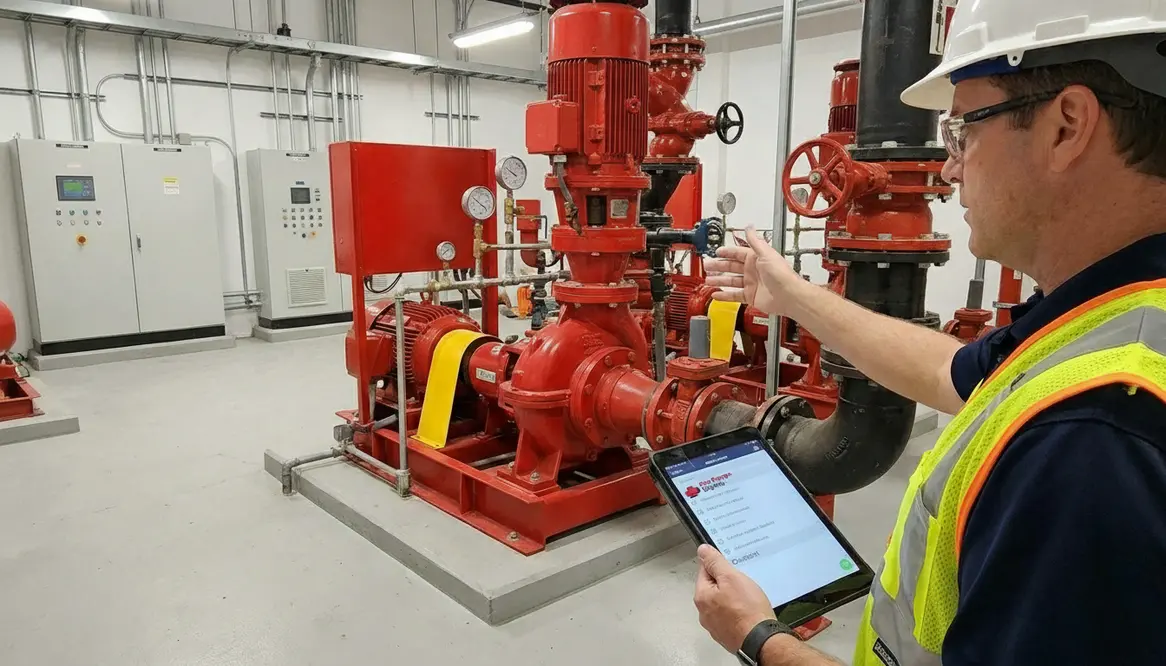
ABNT Fire Pump Compliance Checklist for Commercial and Industrial Properties
When I talk about ABNT compliance for fire pumps, I am talking about more than a box to tick. I am talking about keeping a commercial building, an industrial site, or a major property ready when the pressure rises, and I do mean that in every sense. A fire pump is not the hero you notice every day, but when trouble shows up, it better perform like it trained for the role. In this guide, I walk through the checklist I use to keep systems aligned, safe, and ready, without turning the process into a museum tour of paperwork.
What I Check First in an ABNT Fire Pump System
I always start with the basics, because the basics are where most problems hide. First, I confirm the pump type, its rated flow, and its pressure curve. If those numbers do not match the building demand, the rest of the system will be doing interpretive dance instead of firefighting.
Next, I verify that the pump room stays dry, accessible, and protected from heat, impact, and tampering. For commercial and industrial properties, this matters a lot. A clean room with clear access is not decoration; it is part of the protection plan. I also check if the pump has the proper power source, suction condition, and discharge setup. Then I look at labels, nameplates, and maintenance records. If the equipment cannot speak for itself, the records need to do the talking.
Here is the first rule I follow: if the system looks fine but nobody can prove it meets the standard, then it is not really fine. It is just well dressed.
ABNT Compliance Checklist for Fire Pump Installation
When I review installation, I look at the system as a whole, not just one shiny part. The pump must sit on a stable base, and the alignment must stay true. Even a small vibration can turn into wear, noise, and trouble later. I also inspect the suction piping, because poor suction can choke performance faster than a bad elevator speech.
I confirm that valves, gauges, controllers, and relief devices are installed in the correct spots and work as intended. In larger facilities, I also check if the fire pump has a clear path for service and testing. That way, teams can inspect it without moving half the building around like a scene from a heist movie.
For ABNT compliance, I always ask these practical questions:
Left column
- Is the pump mounted on a solid base?
- Is suction piping short, direct, and supported?
- Are valves and gauges easy to reach?
- Does the controller work with the pump rating?
Right column
- Is the room protected from heat and flood risk?
- Are test points available for routine checks?
- Is there enough space for service access?
- Do the records match the installed equipment?
This kind of review helps me spot weak points early, before they become costly problems. And yes, I have seen a loose fitting create more drama than a season finale.
How I Test Fire Pump Performance
I do not trust a fire pump just because it looks ready. I test it. Performance testing tells me whether the system can deliver the pressure and flow the property needs. I check start-up behavior, running pressure, churn conditions, and overall response. If the pump hesitates, surges, or falls short, I treat that as a warning sign, not a small annoyance.
For commercial and industrial sites, testing must reflect the real load. A small office and a large warehouse do not need the same performance picture. So I compare the test results with the building risk, water source, and system demand. Then I document every result clearly. Good documentation keeps future inspections smooth and helps maintenance teams act fast.
I also make sure alarms, controller signals, and backup power systems behave the way they should. After all, a fire pump without reliable controls is like Batman without the Batmobile. The costume is impressive, but the mission gets harder.
Why Maintenance Keeps ABNT Compliance Strong
Maintenance is where compliance stays alive. I check bearings, seals, fuel supply where needed, electrical parts, and the overall condition of the pump and controller. I also review weekly, monthly, and annual tasks so nothing slips through the cracks. Small issues grow fast in fire protection systems, and they rarely send a polite warning first.
Routine maintenance helps me catch corrosion, leaks, dirty strainers, control faults, and worn parts before they affect operation. It also supports long term reliability, which matters a great deal in major properties where downtime can hit operations hard. In a plant or large facility, a missed issue can affect safety, insurance, and business continuity at once.
When I work with owners or facility teams, I stress one simple point: a fire pump does not care how busy the week gets. It still needs attention. That is not rude; that is just engineering.
What Documentation I Keep for Fire Pump Compliance
I keep the paperwork tight because good records make inspections easier and prove ongoing care. I store installation data, test reports, maintenance logs, repair notes, and any corrective action taken. I also keep the current equipment details close at hand, since changes to parts or settings can affect ABNT compliance.
For teams managing commercial or industrial properties, solid records help everyone stay aligned. If a new manager, inspector, or service partner steps in, the history is already there. That saves time and avoids confusion. For a practical overview of fire pump service and system support, I suggest using this https://firepumps.org/ as a helpful reference point for large properties and industrial sites.
Good documentation also makes audits less painful. And honestly, anything that makes an audit less painful deserves a small round of applause.
FAQ
Final CTA for Facility Owners
If I had to sum it up, I would say this: keep the pump visible, tested, maintained, and documented, and you give your property a far better shot at real protection. If your commercial building, industrial site, or major property needs a clearer path to ABNT compliance, now is the right time to review your system. Use this checklist, compare it with your current setup, and take action before a small issue turns into a very expensive headline.