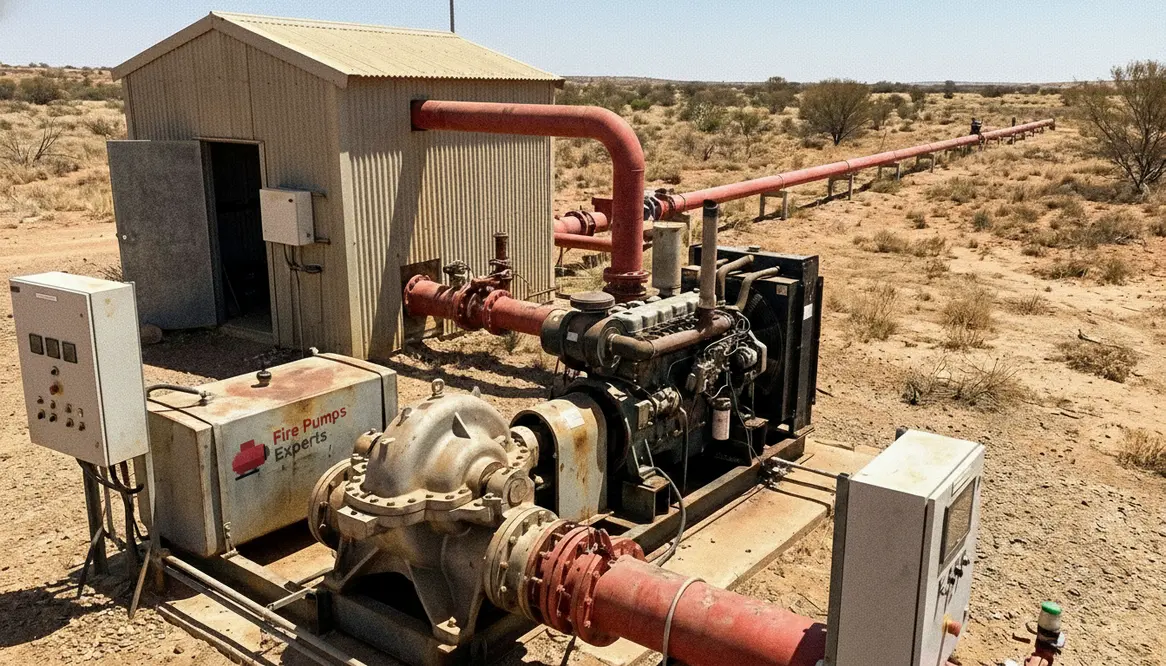
Fire Pump Long Pipe System Australia Guide
I have spent enough time around pump rooms to know one thing for certain. Distance is never your friend when water needs to move fast. In remote facilities, where long pipe runs stretch like a road trip with no gas stations, choosing the right system becomes less of a preference and more of a survival decision. That is exactly where a fire pump long pipe system Australia comes into focus. It is not just about pushing water. It is about maintaining pressure, reliability, and performance when everything else is working against you. And yes, even gravity likes to join the opposition.
How do I choose a fire pump for long pipe distances in remote facilities
I start with friction loss, because it never negotiates. The longer the pipe, the more resistance builds. Therefore, I calculate total dynamic head with precision, not guesswork. Then I factor in elevation changes, because water climbing uphill behaves like a stubborn mule.
Next, I match pump capacity to worst case demand. Not average. Not optimistic. Worst case. After that, I look at power reliability. Remote areas are notorious for unstable supply, so diesel driven systems often become the hero of the story.
Finally, I ensure compliance with Australian standards. Because even the best system fails its purpose if it fails inspection.
Understanding pressure loss without falling asleep halfway through
Let me put it simply. The longer the pipe, the harder the pump must work. Friction eats pressure the way a streaming service eats your free time. However, I do not just increase pump size blindly. That would be like bringing a tank to a parking dispute.
Instead, I optimize pipe diameter alongside pump selection. Larger pipes reduce friction, which means the pump does not have to overperform. As a result, the system runs more efficiently and lasts longer.
Moreover, I account for fittings, valves, and bends. Each one adds resistance. Ignore them, and your calculations will be as reliable as a weather forecast in a storm.
Key components I never compromise on
Pump type selection
I often lean toward horizontal split case pumps for high flow and stability. However, vertical turbine pumps can shine when water sources sit far below ground.
Driver reliability
Electric pumps work well in stable grids. In remote zones, diesel engines bring peace of mind.
Pressure maintenance
Jockey pumps keep pressure steady and prevent unnecessary starts. They are the quiet guardians of the system.
Control systems
Smart controllers help monitor performance remotely. Because sometimes the site is so far away it feels like another planet.
Design strategies that actually work in the field
I always design with redundancy in mind. Because if one pump fails, the system should not panic like a character in a horror movie.
Then, I divide long pipe runs into zones where possible. This improves control and reduces strain on a single pump. Additionally, I incorporate pressure relief valves to protect the system from surges.
Another strategy involves selecting materials that handle both pressure and environment. Remote Australian conditions can be harsh. Heat, dust, and corrosion do not care about your design intent.
When I apply these strategies within a fire pump long pipe system Australia, I see fewer failures and more consistent performance over time.
Avoiding common mistakes that cost time and money
I have seen projects where designers underestimated pipe length impact. The result was predictable. Low pressure at critical points and a very uncomfortable conversation later.
Another common mistake is ignoring maintenance access. Remote facilities already challenge service teams. Poor layout only makes it worse.
Also, oversizing pumps without system balance creates inefficiency. It is like hiring a bodybuilder to open a jar. Impressive, but unnecessary and expensive.
Instead, I focus on balance. Every component must support the system, not fight it.
Why remote Australian facilities demand a different mindset
Working in remote regions changes how I think. Logistics become part of design. Spare parts availability matters. Service intervals matter even more.
Therefore, I prioritize durability and simplicity. Systems should run smoothly without constant attention. Because when something breaks hundreds of kilometers away, even a small issue feels very large.
This is where a well designed fire pump long pipe system Australia proves its worth. It handles distance, pressure, and unpredictability with quiet confidence.
Planning a fire pump long pipe system Australia project
When planning any fire pump long pipe system Australia, I start by mapping every meter of pipework on a clear layout. Remote bush sites, coastal processing plants, and inland mines all have one thing in common: if you get the hydraulics wrong, everything else suffers. Clear drawings, realistic pressure calculations, and honest assessment of local power infrastructure turn theory into something a commissioning team can trust.
Once that foundation is set, I bring in operations and maintenance teams early. They are the ones who will live with the design after the project team disappears. Their insight on access ways, valve placement, and drain locations can make a tough site far easier to manage, especially when weather or flooding decides to test the installation.
FAQ
Bringing it all together
If I could leave you with one thought, it is this. Distance does not have to be a liability. With the right design, the right equipment, and a clear understanding of system behavior, even the longest pipe runs can perform flawlessly. If your facility depends on reliability and precision, now is the time to invest in a system that delivers both. Because when it comes to fire protection, close enough is never good enough.