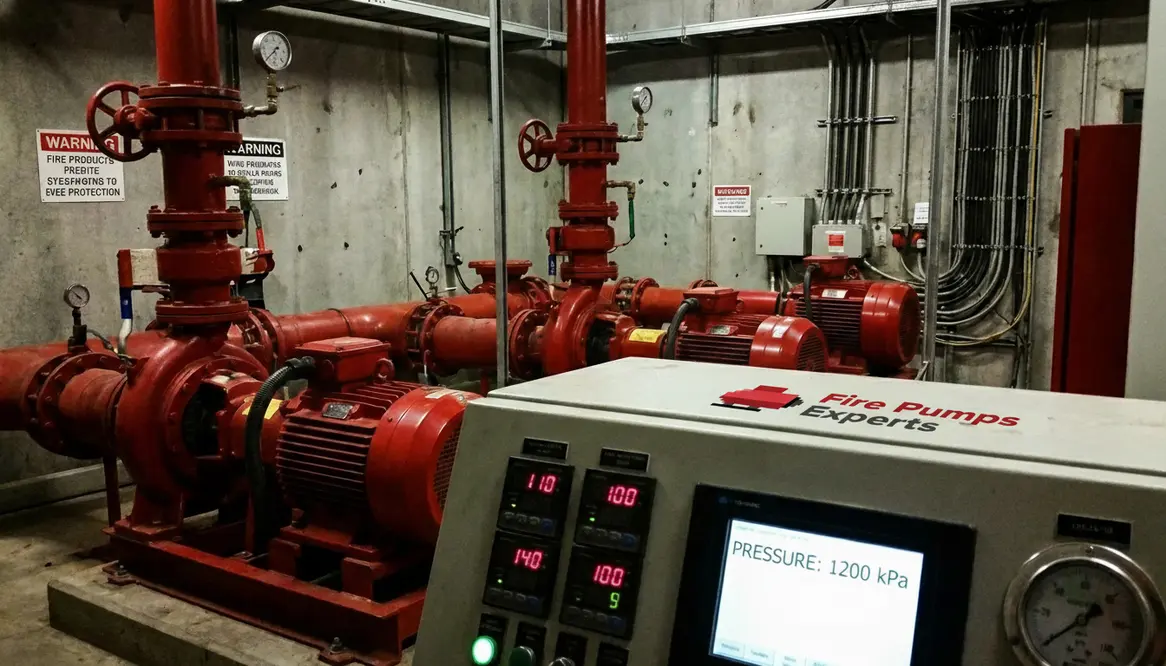
Fire Pump Variable Demand Australia Performance Guide
I have spent years watching how systems behave when pressure rises, quite literally. In large commercial and industrial buildings across Australia, few systems reveal their true character like fire pumps. When we talk about fire pump variable demand Australia, we are really talking about how these systems respond when the unexpected hits. Not every fire event is dramatic like an action film. Sometimes it is subtle, uneven, and unpredictable. That is where performance under changing demand becomes critical, and frankly, fascinating.
Understanding Fire Pump Variable Demand Australia in Real Buildings
In my experience, no two buildings ask the same thing from their fire systems. A high rise office tower behaves differently from a sprawling industrial facility. As a result, fire pumps must adapt in real time. Variable demand means water flow and pressure needs shift depending on how many sprinklers activate or which zones are affected.
Therefore, a pump designed for steady output can struggle when demand spikes or drops suddenly. I have seen systems overcompensate, like someone pressing every button in an elevator at once. On the other hand, advanced pump setups adjust smoothly, maintaining pressure without wasting energy or stressing components.
In Australia, compliance standards demand reliability, but performance under variable conditions is where good design becomes great design. If you care about fire pump variable demand Australia performance, you have to look beyond the nameplate and into how the whole system behaves under stress.
What Happens When Demand Suddenly Changes
Picture this. A small fire triggers a few sprinkler heads. Then, within seconds, more zones activate. The demand curve climbs fast. If the pump cannot respond quickly, pressure drops. And that is not a great moment to discover your system prefers a quiet life.
However, modern systems use variable speed drives and intelligent controls. These allow pumps to ramp up or down based on real time demand. As a result, the system avoids pressure surges and maintains consistent flow.
Meanwhile, older fixed speed systems tend to operate in extremes. They are either fully on or completely off. That works fine in theory, but in practice, it is a bit like using a sledgehammer to crack a walnut.
How Do I Optimize Fire Pump Performance for Variable Demand in Australia
I get this question a lot, and the answer is both simple and layered.
First, I always look at system design. A properly sized pump is essential. Too large, and it cycles inefficiently. Too small, and it struggles under peak demand.
Next, I focus on control systems. स्मार्ट controls make a world of difference. They monitor pressure and flow continuously, adjusting output without delay.
Then, there is maintenance. Even the best system fails if neglected. नियमित testing ensures the pump responds correctly when demand changes.
Finally, integration matters. Fire pumps should not operate in isolation. They must work seamlessly with alarms, sprinklers, and backup power systems. When talking about fire pump variable demand Australia wide, the real differentiator is how all these elements work together, not just the pump sitting in the plant room.
Key Performance Factors
- Accurate pump sizing
- Responsive control systems
- Reliable power supply
- Regular testing schedules
Common Pitfalls
- Oversized pumps causing pressure spikes
- Delayed response to demand changes
- Poor system integration
- Inconsistent maintenance
The Role of Smart Technology in Fire Pump Systems
From manual reactions to intelligent responses
Now, here is where things get interesting. स्मार्ट technology has transformed how fire pumps operate. Sensors and automated controls allow systems to react faster than ever.
For example, pressure sensors detect even minor fluctuations. तुरंत, the system adjusts pump speed. This keeps water flow stable, even during unpredictable demand shifts.
Additionally, remote monitoring lets facility managers track performance in real time. It is like having a backstage pass to your building’s safety system. And unlike most reality shows, this one actually matters.
In large commercial properties, this level of control is not just convenient. It is essential. Smart control over fire pump variable demand Australia wide is quickly becoming the norm rather than a luxury feature.
Fire Pump Variable Demand Australia and Compliance Standards
Beyond the minimum requirements
Australia has strict regulations for fire protection systems, and rightly so. However, compliance alone does not guarantee optimal performance under variable demand.
I often remind clients that standards define the minimum. Performance defines the outcome.
Therefore, aligning system design with Australian Standards is just the starting point. Engineers must also consider real world scenarios. როგორ does the system behave during partial activation. როგორ quickly can it stabilize pressure. These questions matter more than a checklist.
In commercial and industrial environments, where risks scale quickly, a well tuned system can mean the difference between containment and catastrophe. That is especially true for fire pump variable demand Australia projects in high-rise districts and heavy industrial zones.
If you want to see how these principles translate into practical guidance, resources like https://firepumps.org can help frame the bigger picture, while local expertise tailors it to Australian conditions.
Why Performance Testing Should Reflect Real Conditions
Testing the way the system will actually be used
Testing is often treated as a routine task. Tick the box, file the report, move on. But I see it differently.
Effective testing should simulate real demand variations. That means creating scenarios where multiple zones activate or pressure fluctuates rapidly.
Because if a system only performs well under ideal conditions, it is not truly reliable. It is just lucky.
Moreover, dynamic testing reveals hidden issues. Things like delayed response times or pressure instability become visible. Fixing these early saves both money and headaches later.
FAQ Quick Answers
Conclusion
When I look at fire pump systems in major Australian buildings, I see more than machinery. I see a line of defense that must perform under pressure, literally and figuratively. If you are managing a commercial or industrial property, now is the time to evaluate how your system handles changing demand. Reach out to experts who understand real world performance, not just theory. Because when the moment comes, your system should not hesitate. And if the words fire pump variable demand Australia appear in your next upgrade brief, make sure the performance behind that phrase can stand up to the reality it promises.