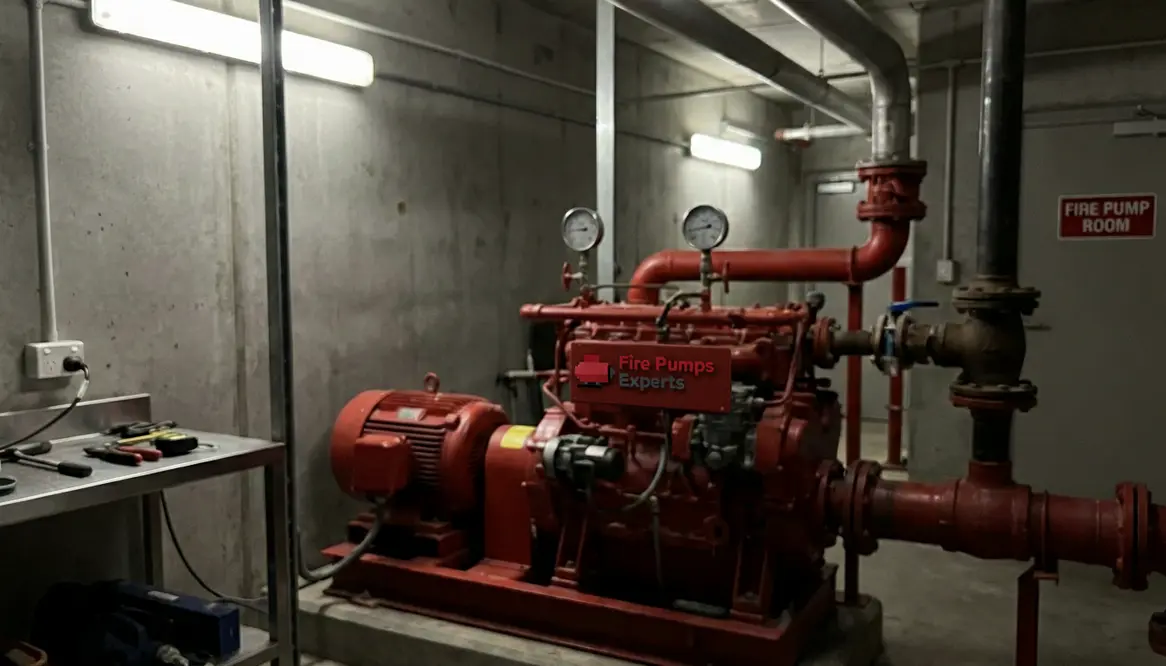
Fire Pump Reliability in Australia Infrastructure
I have spent enough time around pump rooms to know one simple truth. When everything else fails, the fire pump is the quiet hero that refuses to clock out. In fire pump critical infrastructure Australia, reliability is not just a feature. It is the difference between a controlled incident and a headline nobody wants to read. From data centres to hospitals and high rise commercial towers, these systems carry a heavy responsibility. And yet, they rarely get applause. A bit like the bass player in a rock band. Essential, steady, and often overlooked.
Why reliability defines critical infrastructure performance
In Australia, commercial and industrial facilities operate under strict compliance and high expectations. However, compliance alone does not guarantee performance. I have seen systems that tick every box on paper yet struggle under real demand.
Reliability starts with consistency. A fire pump must start instantly, deliver the required pressure, and sustain it without hesitation. Therefore, design choices, component quality, and system integration all play a role. If one element fails, the entire chain weakens.
Moreover, environmental factors matter. Heat, humidity, and even dust can quietly degrade performance over time. So while the system may look pristine during inspection, internal wear can tell a different story. Think of it like a classic car that looks flawless but coughs the moment you turn the key.
What makes a fire pump system dependable in Australia?
Let me answer this the way most engineers would appreciate. It is not one thing. It is a combination of disciplined decisions.
Key factors that keep systems honest
Key factors include
- Correct pump selection based on real demand, not optimistic estimates
- Reliable power sources including diesel backups or redundant electrical feeds
- Precision installation that avoids vibration and alignment issues
- Smart controllers that respond without delay
- Routine testing that simulates actual fire conditions
Additionally, redundancy is not overkill. It is insurance. In fire pump critical infrastructure Australia, a backup pump is often the unsung safety net. Because when one fails, and something eventually will, the second system steps in without drama.
Designing for fire pump critical infrastructure Australia conditions
Australia is not a copy-and-paste market
Designing systems here is not a copy paste job from overseas standards. Australia brings its own challenges. Bushfire risks, remote facility locations, and variable water supply conditions all influence system design.
Adaptability over assumptions
Consequently, I always prioritize adaptability. A well designed system accounts for fluctuating demand and supply inconsistencies. It also considers future expansion. Because buildings evolve. And if your fire protection system cannot keep up, you are already behind.
There is also a human factor. Maintenance teams need systems that are clear and manageable. Overly complex setups might look impressive on paper, but they often fail in real world scenarios. Like assembling flat pack furniture without instructions. It sounds doable until you are left with extra screws and regret.
Common failure points I have seen and how to avoid them
Frequent issues
- Poor maintenance schedules
- Fuel contamination in diesel pumps
- Electrical faults in control panels
- Blocked suction lines
- Pressure drops from unnoticed leaks
Practical solutions
- Scheduled testing under load conditions
- Fuel quality monitoring and rotation
- Regular inspection of wiring and controls
- Routine flushing of intake systems
- Pressure audits across the network
Interestingly, many failures come down to neglect rather than complexity. A system that is exercised regularly tends to behave when it matters. Much like a person who stretches before running instead of pulling a muscle mid sprint.
How maintenance shapes long term system reliability
I cannot stress this enough. Maintenance is not a checkbox. It is the backbone of reliability.
Beyond a quick look with a torch
Routine inspections should go beyond visual checks. Instead, they must include performance testing, vibration analysis, and system diagnostics. This ensures the pump operates as expected under real pressure.
Records that actually tell a story
Furthermore, documentation plays a key role. Keeping detailed service records allows teams to identify patterns before they become problems. In large commercial facilities, this foresight can prevent costly downtime and safety risks.
And yes, skipping maintenance might save time today. But it usually sends you a bill later. A big one.
Future trends in critical infrastructure fire protection
The industry is evolving, and Australia is keeping pace. Smart monitoring systems now provide real time insights into pump performance. Sensors track pressure, temperature, and operational status continuously.
As a result, facility managers can respond before issues escalate. Predictive maintenance is becoming the norm rather than the exception.
There is also a shift toward sustainability. Energy efficient pumps and optimized water usage are gaining traction. Because protecting infrastructure should not come at the expense of environmental responsibility.
And while robots have not taken over pump rooms yet, give it time. If Hollywood has taught us anything, it is that machines eventually get curious.
FAQ
Conclusion
Reliability is not accidental. It is built through smart design, consistent maintenance, and a clear understanding of risk. In fire pump critical infrastructure Australia, every decision shapes performance when it matters most. If you manage a commercial or industrial facility, now is the time to assess your system. Invest in reliability today, because when the moment comes, your fire pump should not hesitate. And neither should you.