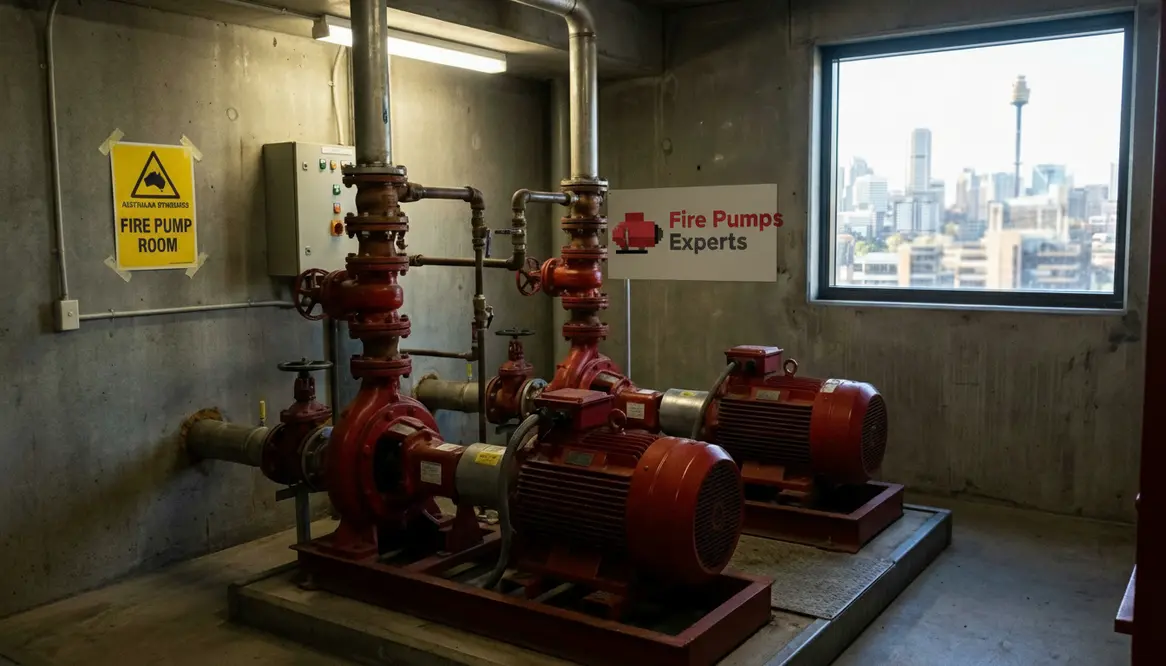
Fire Pump Redundancy Design Australia: Efficiency Balance
Finding the sweet spot between reliability and cost in modern Australian pump rooms.
I have spent years around pump rooms that hum like a quiet engine of safety, and I can tell you this: when we talk about fire pump redundancy design Australia, we are not just talking about engineering. We are talking about trust. In commercial towers and industrial facilities across Australia, the balance between efficiency and redundancy is a careful dance. Push too far toward efficiency, and you risk fragility. Lean too heavily on redundancy, and suddenly your system feels like it is carrying extra weight like a superhero who refuses to skip leg day.
So, let me walk you through how I see these tradeoffs play out in real projects, with a bit of honesty, a dash of humor, and a firm grip on what actually works.
Why Efficiency Matters in High Demand Facilities
Efficiency is the quiet achiever. It does not brag, but it keeps energy costs down and systems running smoothly. In large commercial properties, where pumps may run frequently for testing and maintenance, efficiency becomes a long term financial ally.
However, I have noticed that many facility managers chase efficiency like it is the last donut in the break room. And yes, a well tuned pump system reduces energy consumption, minimizes wear, and extends lifespan. Moreover, efficient designs often mean fewer components, which simplifies maintenance.
Yet, there is a catch. When you strip a system down to its most efficient form, you also reduce its tolerance for failure. It is a bit like driving a sports car. Fast, sleek, impressive… but not exactly forgiving when something goes wrong.
fire pump redundancy design Australia in Modern Buildings
Now we step into redundancy, the dependable sibling who always brings a backup charger. In Australia, redundancy is not optional in many commercial and industrial fire protection systems. It is expected.
Redundancy means having backup pumps, alternate power sources, and system configurations that continue operating even when one component fails. Consequently, this approach protects lives and assets in high risk environments like data centers, manufacturing plants, and high rise developments.
Still, redundancy introduces complexity. More pumps, more valves, more controls. And yes, more opportunities for something to require maintenance. It is like assembling the Avengers. Powerful, but someone always needs coordination.
So while redundancy increases reliability, it also demands disciplined system design and ongoing oversight.
Where the Balance Gets Tricky
This is where things get interesting. I often see projects struggle not because they lack resources, but because they try to maximize everything at once.
On one hand, engineers aim for peak efficiency. On the other, compliance and risk management push for robust backup systems. As a result, designs can become overbuilt or under optimized.
For example, installing multiple oversized pumps may create redundancy, but it can also lead to inefficient operation during testing cycles. Conversely, a lean system may meet efficiency goals but fail to provide adequate backup during an emergency.
Therefore, the real skill lies in intentional compromise. Not every component needs duplication, but critical functions absolutely do.
How I Approach Smart Design Decisions
When I evaluate a system, I focus on purpose first. What is the building protecting? A logistics warehouse has different needs than a hospital or a data center. Context shapes everything.
Efficiency focus
- Right sized pumps for actual demand
- Energy conscious motor selection
- Simplified piping layouts
- Reduced operational costs
Redundancy focus
- Backup pumps with independent controls
- Dual power supply integration
- Failover automation
- System resilience under fault conditions
However, I never treat these as opposing forces. Instead, I look for overlap. For instance, a well configured duty standby pump arrangement can maintain efficiency during normal operation while still offering redundancy when needed.
And yes, sometimes the answer is not more equipment. Sometimes it is smarter sequencing or better controls. Think of it less like adding more players to the field and more like improving the playbook.
What Do Australian Standards Expect From Fire Pump Systems?
Australian standards demand reliability. Plain and simple. Systems must perform under pressure, literally and figuratively.
In practice, this means redundancy is often baked into compliance requirements. For large scale commercial and industrial facilities, fire pump systems must continue operating even if a primary component fails. Consequently, designers must integrate backup capacity without compromising operational stability.
At the same time, energy efficiency is becoming more relevant. While compliance ensures safety, operational costs influence long term decisions. Therefore, modern designs must satisfy both regulatory expectations and financial realities.
It is a bit like being told to eat healthy and enjoy dessert. You can do both, but you need a plan.
fire pump redundancy design Australia and Long Term Performance
Over time, I have learned that the best systems are not the most complex or the most efficient on paper. They are the ones that perform consistently year after year.
Redundancy supports reliability, but only when it is maintained properly. Meanwhile, efficiency supports sustainability, but only when it aligns with actual usage patterns.
So I always recommend designing with the future in mind. How will this system be tested? Who will maintain it? What happens when a component fails at the worst possible moment?
Because in the end, a fire pump system is not judged by how it performs on installation day. It is judged by how it performs when everything else goes wrong. And that is not the time for surprises.
Putting fire pump redundancy design Australia into practice
In many Australian projects, the most successful results come from treating fire pump redundancy design Australia as a risk management strategy rather than a checkbox exercise. That means identifying the scenarios that can genuinely hurt the business: extended power loss, pump failure during maintenance, or simultaneous faults in connected systems.
From there, the design can prioritise where redundancy truly matters and where efficiency can safely lead. Sometimes an extra control feature or clearer operating procedure does more than another physical pump. Sometimes a slightly higher up front investment saves years of wasted testing time and unexpected shutdowns.
FAQ
Final Thoughts and Next Steps
If you are planning or upgrading a system, now is the time to think carefully about balance. The right approach to fire pump design protects your facility, controls costs, and avoids future headaches. I encourage you to work with specialists who understand both efficiency and redundancy in real world conditions. Reach out to experts who focus on commercial and industrial systems, and make sure your investment performs when it truly matters. For further reading on specialised fire pump guidance, resources such as https://firepumps.org can also provide useful context alongside local Australian standards and regulations.